

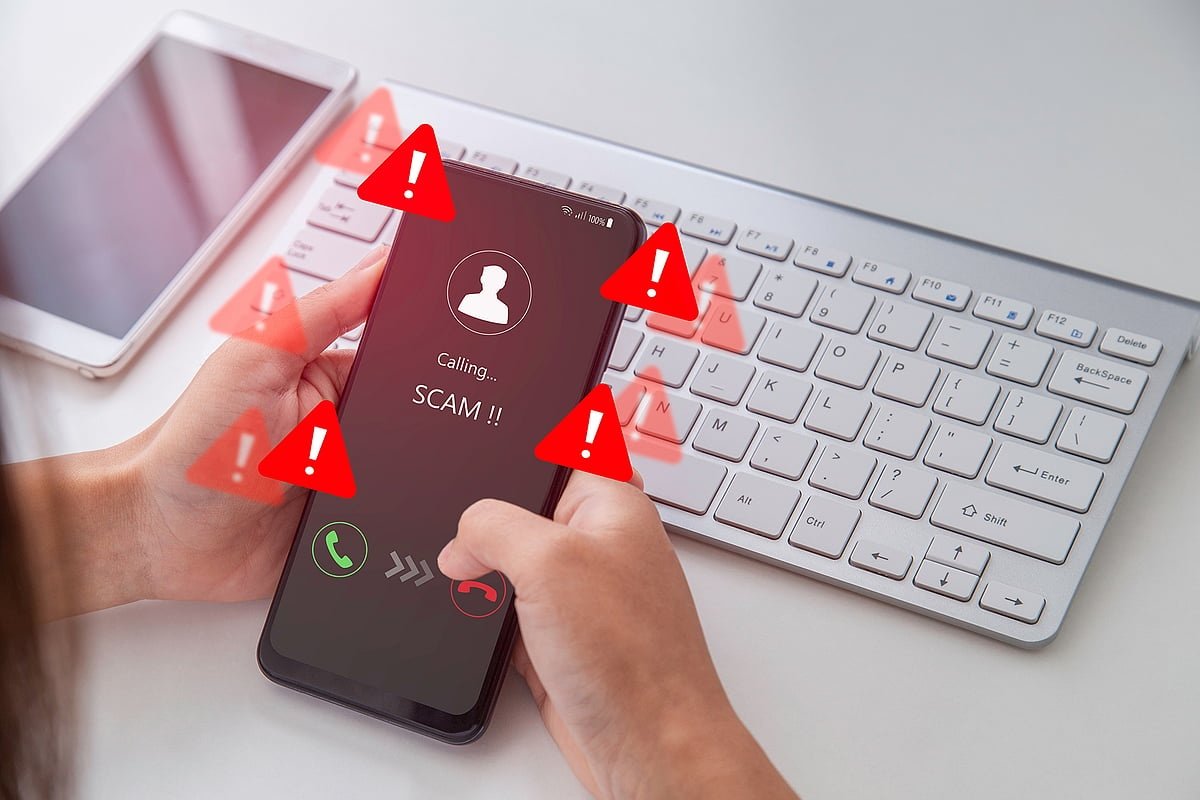
A new study by LinkedIn, published on May 13, 2026, reveals a concerning trend in India’s job market: while overall awareness of job scams is rising, Gen Z professionals remain the most vulnerable demographic. Despite being “digital natives,” the pressure to secure a career break often leads young job seekers to overlook glaring warning signs.
The research highlights a significant “caution gap” between intent and action, particularly among junior professionals entering an increasingly competitive and AI-influenced job landscape.
The Generational Vulnerability Gap
While 82% of Indian professionals now pause to assess the legitimacy of a job before applying, the actual susceptibility varies wildly by age group.
| Metric | Gen Z (Ages 14–29 approx.) | Gen X (Ages 46–61 approx.) |
| Close calls with scams | 49% | 36% |
| Ignored warning signs | 54% | Significantly Lower |
The study finds that over half of Gen Z respondents admitted to proceeding with an application even when something felt “off,” simply because the opportunity seemed too important to pass up.
Common Scammer Tactics
Scammers primarily target candidates at the browsing stage (20%) or during the initial outreach (18%). LinkedIn identified several recurring red flags:
-
Platform Jumping: A staggering 90% of reported scam attempts involve trying to move the candidate away from LinkedIn to private messaging apps (like WhatsApp or Telegram) in the very first message.
-
Informality & Urgency: Scammers use high-pressure tactics and informal language once they move a candidate off a trusted platform, making verification nearly impossible.
-
Vague Descriptions: Offers often include high salaries with very few specific job details or requirements.
The Shift Toward “Employer Credibility”
As AI-led changes create anxiety about long-term job security, the criteria for a “good employer” are evolving. Industry experts note that:
-
Transparency is King: Candidates are now prioritizing “straight talk” from leadership over flashy office perks.
-
Internal Mobility: Visible career paths within a company are becoming stronger signals of a genuine employer than high-budget branding campaigns.
-
Verification: Professionals are increasingly taking time to verify company pages and cross-reference recruiter identities before responding
How to Stay Safe
LinkedIn has implemented a three-layer defense system, including ID verification for high-risk posters and automated detection of fake accounts. However, job seekers are advised to:
-
Stay on the Platform: Avoid moving to private messaging apps until a formal interview process is established.
-
Verify Recruiters: Check the recruiter’s profile for verification signals and connections within the industry.
-
Report Suspicious Activity: Use platform tools to flag vague or high-pressure outreach immediately.
Expert Insight: “People want to know what is changing and whether there is real investment in helping employees adapt,” says Jayanth Neelakanta, CEO of Equip. In 2026, a company’s honesty during difficult times is its most valuable recruiting tool.
