

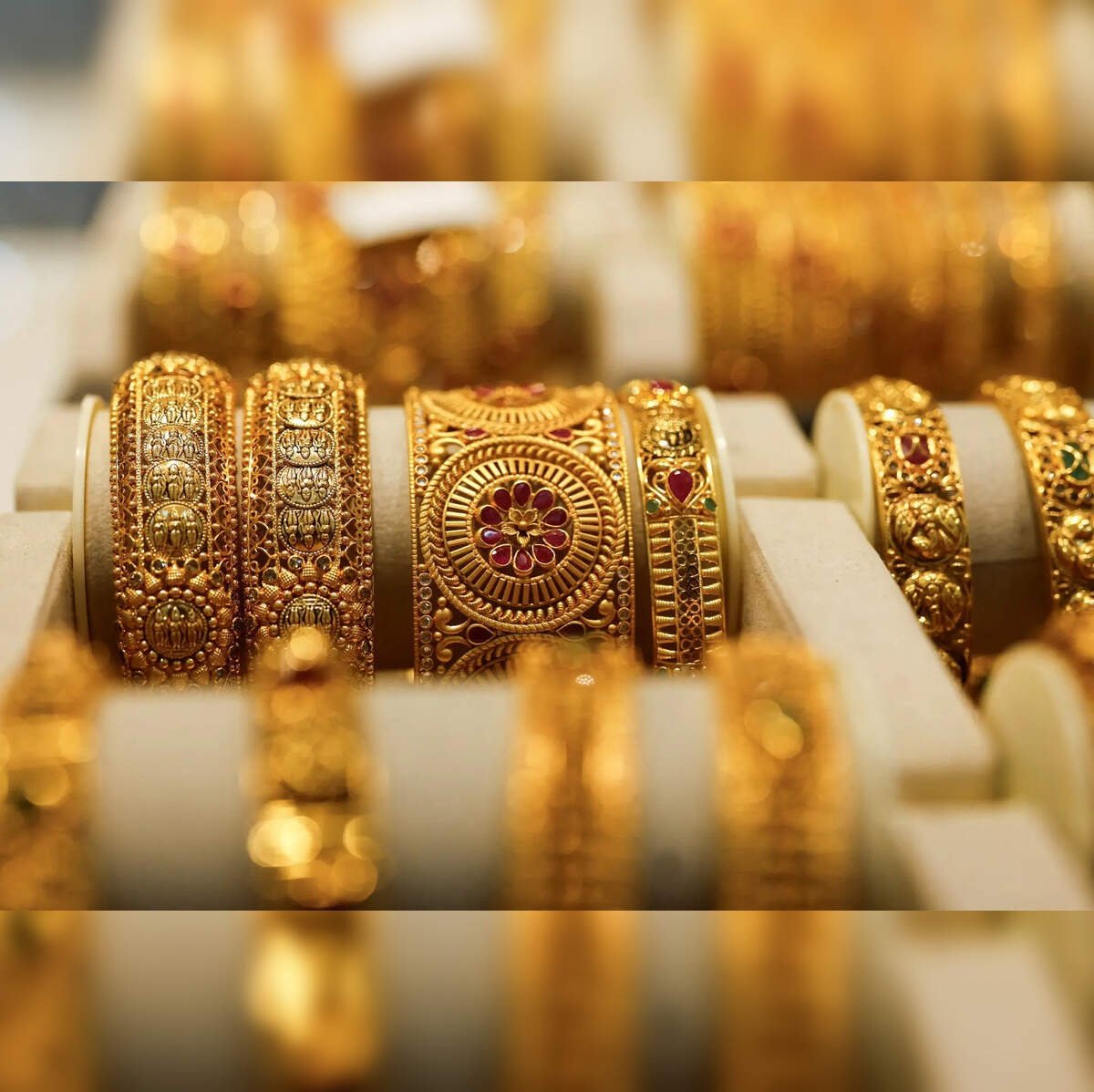
In a strategic move to safeguard the national economy, the Indian government has raised customs duties on gold, silver, and platinum to 15%. This significant policy shift comes just days after Prime Minister Narendra Modi called for national austerity, specifically urging citizens to defer gold purchases to conserve foreign exchange.
The decision is a direct response to the heightened global uncertainty caused by the ongoing West Asia crisis, which has introduced extreme volatility into crude oil markets and international shipping routes.
New Duty Structure at a Glance
The hike effectively reverses the duty reductions introduced in the 2024-25 Union Budget, returning to a high-tariff regime to discourage non-essential imports.
| Metal | Previous Duty | New Duty |
| Gold | 6% | 15% |
| Silver | 6% | 15% |
| Platinum | 6.4% | 15.4% |
Strategic Rationale: Prioritizing Essentials
Government officials emphasize that this is a “calibrated and proportionate intervention” designed to protect India’s Current Account Deficit (CAD).
-
Conserving Forex: India’s foreign exchange reserves are being prioritized for essential sectors that drive productivity, such as crude oil, fertilizers, defense, and critical technology.
-
Managing Inflation: By moderating the demand for precious metals—which are primarily consumption and investment-driven—the government aims to ease pressure on the Rupee and mitigate potential inflationary spikes caused by rising energy costs.
-
Response to Energy Vulnerability: As a major oil importer, India remains vulnerable to supply-side disruptions in West Asia. Prioritizing external resources toward “economic multiplier” sectors is seen as a preventive measure against external shocks.
A Signal of Economic Discipline
Rather than resorting to severe quantitative restrictions, the government is using price-based disincentives to encourage “national economic resilience.”
“The measure is aligned with the broader national economic discipline emphasized by the Prime Minister… moderation in discretionary precious metal imports is part of a wider collective effort to strengthen economic stability,” a government official stated.
By acting proactively, the Centre intends to reduce the need for more disruptive corrective measures later, signaling to global markets that India is committed to prudent economic governance despite emerging risks.
In a strategic move to safeguard the national economy, the Indian government has raised customs duties on gold, silver, and platinum to 15%. This significant policy shift comes just days after Prime Minister Narendra Modi called for national austerity, specifically urging citizens to defer gold purchases to conserve foreign exchange.
The decision is a direct response to the heightened global uncertainty caused by the ongoing West Asia crisis, which has introduced extreme volatility into crude oil markets and international shipping routes.
New Duty Structure at a Glance
The hike effectively reverses the duty reductions introduced in the 2024-25 Union Budget, returning to a high-tariff regime to discourage non-essential imports.
| Metal | Previous Duty | New Duty |
| Gold | 6% | 15% |
| Silver | 6% | 15% |
| Platinum | 6.4% | 15.4% |
Strategic Rationale: Prioritizing Essentials
Government officials emphasize that this is a “calibrated and proportionate intervention” designed to protect India’s Current Account Deficit (CAD).
-
Conserving Forex: India’s foreign exchange reserves are being prioritized for essential sectors that drive productivity, such as crude oil, fertilizers, defense, and critical technology.
-
Managing Inflation: By moderating the demand for precious metals—which are primarily consumption and investment-driven—the government aims to ease pressure on the Rupee and mitigate potential inflationary spikes caused by rising energy costs.
-
Response to Energy Vulnerability: As a major oil importer, India remains vulnerable to supply-side disruptions in West Asia. Prioritizing external resources toward “economic multiplier” sectors is seen as a preventive measure against external shocks.
A Signal of Economic Discipline
Rather than resorting to severe quantitative restrictions, the government is using price-based disincentives to encourage “national economic resilience.”
“The measure is aligned with the broader national economic discipline emphasized by the Prime Minister… moderation in discretionary precious metal imports is part of a wider collective effort to strengthen economic stability,” a government official stated.
By acting proactively, the Centre intends to reduce the need for more disruptive corrective measures later, signaling to global markets that India is committed to prudent economic governance despite emerging risks.
