

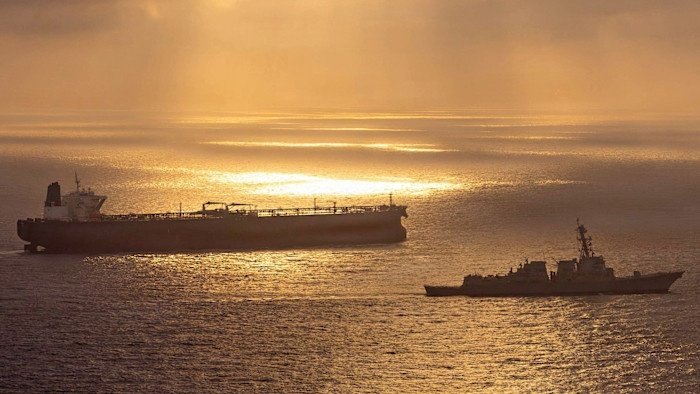
The Strait of Hormuz has become the flashpoint of a deepening international crisis as Tehran moves to formalize its control over the vital waterway. Even as the United States and Iran struggle to find a diplomatic resolution to their ongoing conflict, Iran has established a new regulatory body to oversee all maritime traffic in the region.
The “Persian Gulf Strait Authority”
According to shipping journal Lloyd’s List, Iran has formed the Persian Gulf Strait Authority (PGSA). This agency has introduced a strict new framework for any vessel intending to pass through the Strait:
-
Transit Authorization: Ships must now obtain formal permission before sailing.
-
Mandatory Tolls: For the first time, Iran is demanding fees from vessels transiting the waterway.
-
Data Submission: Ship owners are required to submit detailed records, including ownership, insurance, crew manifests, and intended routes.
Iran’s state-backed media confirmed that all vessels will receive digital notifications outlining these new rules. While Iran seeks to solidify its supervision, the United States has denounced the move, maintaining that the Strait is an international waterway where tolls are illegal.
Escalation and Military Tensions
The formalization of these rules follows a direct military exchange on May 7, where Iranian forces engaged in a firefight with “enemy” forces near Qeshm Island.
In response to the continued blockade and new regulations, the United Kingdom and France are hosting a summit of over 40 nations today. The meeting aims to finalize a European-led plan to provide military escorts for commercial ships to restore confidence in global shipping lanes.
Iran Warns of Further Conflict
Tehran has reacted sharply to the proposed European mission. Iran’s Deputy Foreign Minister, Kazem Gharibabadi, described the deployment of foreign destroyers as a “militarization of a vital waterway” and warned that such actions would be treated as an escalation of the war.
Diplomatic Deadlock: Trump Rejects Peace Response
On the diplomatic front, hopes for a ceasefire have dimmed. President Donald Trump took to Truth Social to “outrightly reject” Iran’s latest response to a US peace proposal, labeling it “TOTALLY UNACCEPTABLE!”
Iran’s response reportedly included a warning that it would not hesitate to engage in a full-scale military confrontation if foreign warships continue to gather in the Strait or if the US conducts fresh strikes. With both sides hardening their stances, the Strait of Hormuz remains effectively closed, continuing to disrupt global energy supplies and drive up oil prices.
