

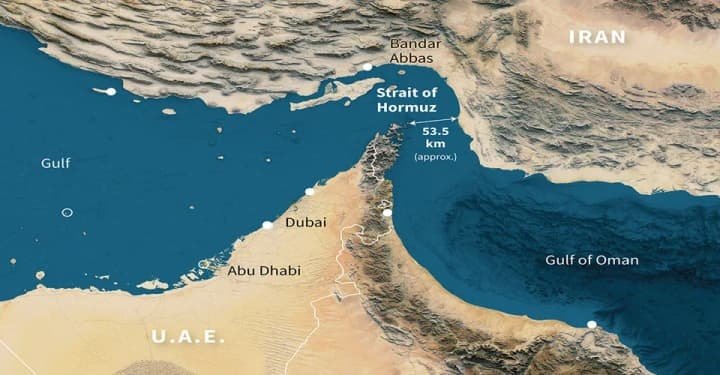
In a move to formalize its control over the world’s most critical oil chokepoint, Iran has launched a “sovereign governance system” requiring all international vessels to obtain electronic transit permits before entering the Strait of Hormuz.
The new regulations, reported by state-run Press TV, mandate that shipping companies receive and follow electronic instructions from the Persian Gulf Strait Authority (PGSA). Without an approved “transit permit” delivered via email, passage through the waterway—which handles 20% of global oil—will be denied.
Key Features of the New System
-
Electronic Oversight: Ships must receive updated rules and requirements from a PGSA-affiliated address prior to entry.
-
Targeted Restrictions: The Iranian parliament is currently debating legislation to officially ban any vessels tied to Israel or the United States.
-
Transit Tolls: For ships deemed “non-hostile,” Tehran is considering the introduction of a mandatory toll system for using the waterway.
A War of Blockades
The digital gatekeeping comes as the Strait remains “all but shut” following the recent conflict involving the U.S., Israel, and Iran. The maritime standoff has evolved into a logistical tug-of-war:
-
U.S. Measures: Following failed negotiations in Islamabad last month, the U.S. imposed its own restrictions on ships traveling to and from Iranian ports.
-
Project Freedom: President Trump briefly launched—and subsequently paused—an escort mission to lead stranded ships out of the Strait.
-
Iranian Defiance: The Khatam al-Anbiya Central Headquarters warned that any foreign military forces, particularly the “aggressive U.S. army,” would be attacked if they attempted to enter the Strait.
The Diplomatic Standoff
Iranian Parliament Speaker and chief negotiator Mohammad Bagher Ghalibaf defended the new system, accusing the United States and its allies of jeopardizing energy security by “violating the ceasefire and imposing a blockade.”
As Tehran formalizes these restrictions, the international shipping community faces a stark new reality: the Strait of Hormuz is no longer just a physical passage, but a digital one controlled by Iranian authorities.
