

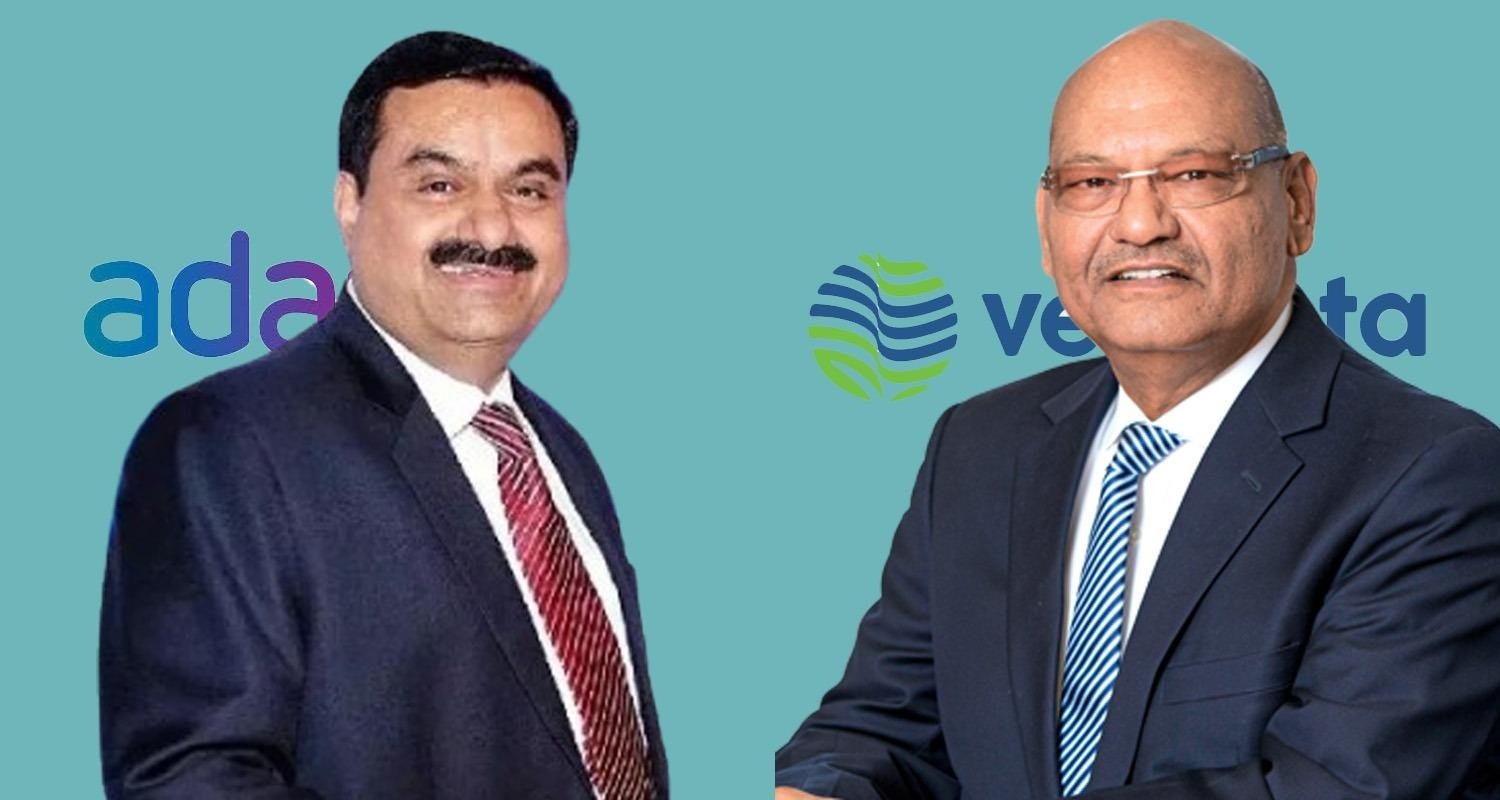
In a preemptive legal strike, Adani Enterprises has moved the Supreme Court of India to protect its victory in the insolvency proceedings of Jaiprakash Associates Ltd (JAL). This move comes immediately after the National Company Law Appellate Tribunal (NCLAT) upheld Adani’s resolution plan, dismissing challenges from rival bidder Vedanta.
The “Caveat” Strategy
Adani has filed a caveat before the Supreme Court. In Indian law, a caveat is a proactive measure:
-
Purpose: It ensures that if Vedanta files an appeal against the NCLAT’s decision, the Supreme Court cannot pass any stay or interim order without first notifying and hearing Adani’s side.
-
Context: Adani wants to prevent any sudden “stay” on the implementation of their resolution plan, which could further delay the revival of the debt-ridden JAL.
The Core Conflict: Value vs. Process
The dispute centers on whose bid was truly “better” for the creditors and the integrity of the Insolvency and Bankruptcy Code (IBC).
| Feature | Adani Group Plan | Vedanta Ltd Plan |
| Total Value | ₹14,535 crore | ₹17,900 crore (Revised) |
| CoC Decision | Declared Highest Bidder (H1) | Rejected |
| Legal Stance | Focus on process sanctity and finality. | Focus on “Value Maximization.” |
Vedanta’s Argument:
Vedanta argued that their offer was nearly ₹3,400 crore higher than Adani’s. They claimed the Committee of Creditors (CoC) scoring matrix lacked transparency and that their late-stage revised proposal should have been considered to maximize value for stakeholders.
Adani and CoC’s Defense:
The CoC and the Resolution Professional (supported by Solicitor General Tushar Mehta) argued that:
-
Financial Parameters: Adani’s bid scored higher when considering upfront cash, deferred payments, and equity infusion, rather than just the “headline” number.
-
IBC Sanctity: Allowing bidders to revise offers after deadlines (as Vedanta attempted) would create an endless cycle of bidding and undermine the time-bound nature of the IBC.
The NCLAT Verdict (May 4, 2026)
The NCLAT dismissed Vedanta’s appeal on seven distinct issues, ruling that:
-
There was no merit in the challenge against the CoC’s scoring.
-
No resolution applicant has a “vested right” to have their plan approved simply by claiming a higher value.
-
The integrity of the resolution process must be maintained to ensure the finality of the sale.
What Happens Next?
With Adani’s caveat in place, the ball is in Vedanta’s court. If Vedanta proceeds to the Supreme Court:
-
The court will likely schedule a hearing where both parties can argue the merits of “Value Maximization” (Vedanta’s theme) versus “Process Finality” (Adani’s theme).
-
For now, Adani remains the officially sanctioned savior of Jaiprakash Associates Ltd, clearing a major hurdle in one of India’s most watched insolvency cases.
Understanding the Insolvency Hierarchy
The case follows the standard IBC ladder:
-
NCLT: Approves the initial plan.
-
NCLAT: Hears appeals regarding the legality of the NCLT/CoC decision.
-
Supreme Court: The final authority on matters of law and constitutional validity of the process.
