

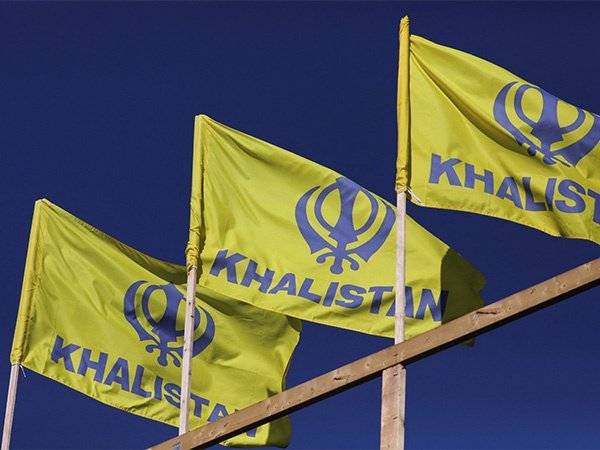
A landmark report from the Canadian Security Intelligence Service (CSIS), tabled in Parliament on May 2, 2026, has sparked significant diplomatic discussion by simultaneously flagging Khalistani extremism as a national security risk and accusing India of foreign interference.
The report, reflecting intelligence assessments from 2025, marks a nuanced shift in Canada’s stance on internal and external security threats.
1. Khalistani Extremism Flagged
For the first time in recent years, CSIS has explicitly recognized the threat posed by Canada-Based Khalistani Extremists (CBKE).
-
Violent Agenda: The report notes that these groups continue to promote a violent extremist agenda and pose a direct threat to Canadian interests.
-
Community Exploitation: It alleges that some extremists leverage Canadian institutions to collect funds from unsuspecting community members, which are then diverted to violent activities.
-
Historical Context: The report references the 40th anniversary of the Air India Flight 182 bombing (the deadliest terror attack in Canadian history) as a reminder of the potential for violence, though it confirmed no CBKE-related attacks occurred in 2025.
2. Allegations Against India
The report names India as one of the primary perpetrators of foreign interference, alongside China, Russia, and Iran.
-
Transnational Repression: CSIS claims India uses surveillance and “coercive tactics” against the Indo-Canadian community to suppress criticism of the Indian government.
-
Political Influence: The report alleges that India has cultivated covert relationships with Canadian politicians and journalists to advance its interests.
-
The Khalistan Factor: It notes that while advocacy for Khalistan is lawful political activity in Canada, India views it as a domestic stability threat and acts to counter it on Canadian soil.
The “Mark Carney Era” Shift?
Interestingly, the report highlights a potential change in tone under the leadership of Prime Minister Mark Carney.
| Official/Body | Current Stance |
| CSIS (2025 Report) | Flags India for interference and “transnational repression.” |
| PM Mark Carney | Recently indicated that India is not currently linked to violent crimes in Canada. |
| RCMP Commissioner | Mike Duheme stated there is currently no threat to Canadians from agents linked to India, noting that “the dots don’t always connect to a foreign entity.” |
Context: A Strained Relationship
Diplomatic ties between New Delhi and Ottawa reached a historic low in 2023 following allegations regarding the killing of Hardeep Singh Nijjar. India has consistently rejected these claims as “politically motivated.” This new CSIS report appears to balance these old grievances by acknowledging India’s concerns about extremism while maintaining Canada’s stance on foreign meddling.
Bottom Line: While the spy agency remains “vigilant” regarding Indian interference, current law enforcement (RCMP) and the Carney administration appear to be signaling a desire to de-escalate tensions by clarifying that there are no active, violent threats from Indian agents today.
