

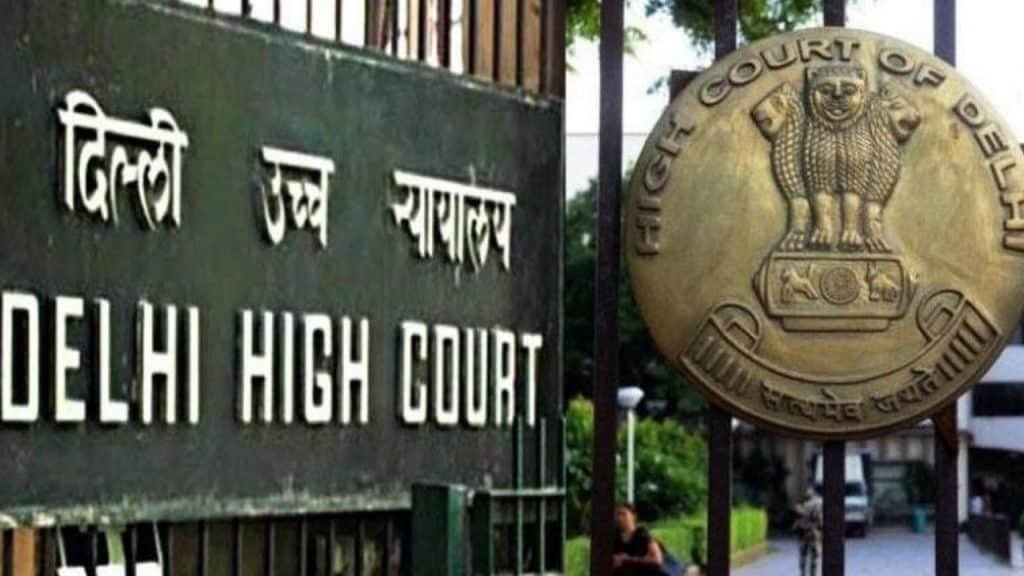
The Delhi High Court has granted significant interim relief to Tata Play, staying a Goods and Services Tax Appellate Tribunal (GSTAT) order that required the company to deposit ₹450 crore into consumer welfare funds. This case is being closely watched as a potential turning point for how “anti-profiteering” claims are calculated and enforced in India.
The Core Dispute: Did Prices Truly Fail to Drop?
Under Section 171 of the CGST Act, businesses are legally mandated to pass on any financial benefits—resulting from tax rate cuts or increased input tax credits—to the end consumer.
-
The Allegation: A consumer complaint suggested that Tata Play kept subscription prices stagnant despite multiple pre-GST taxes (Service Tax, VAT, and Entertainment Tax) being consolidated into a single GST rate, which allegedly lowered the company’s tax burden.
-
The DGAP’s Finding: The Director General of Anti-Profiteering (DGAP) concluded that since prices didn’t drop proportionately, Tata Play had “profiteered” to the tune of ₹450 crore.
Tata Play’s Defense: Increased Rates and Pre-GST Reality
The company’s legal team, led by senior counsels Arvind P. Datar and Anuradha Dutt, presented several counter-arguments that led to the stay:
-
The Rate Hike: They pointed out that for DTH services, the tax rate actually increased from 15% to 18% under GST.
-
Unrecovered Taxes: They argued that “Entertainment Tax” was never actually recovered from subscribers in the pre-GST era, making it factually incorrect to include it as a “saved cost” that should be passed back to consumers.
-
Lack of Parity: The company argued it was being unfairly targeted while other operators in the same sector were not facing similar penalties.
Why This Matters for the Industry
Legal experts suggest this ruling signals a shift toward stricter judicial scrutiny of anti-profiteering assessments.
| Expert Perspective | Key Takeaway |
| Cyril Amarchand Mangaldas | Assessments must be evidence-based and specific, rather than mechanical or based on assumptions. |
| Alpha Partners | The ruling pushes authorities toward more transparent methodologies, especially in complex service sectors. |
| TARAksh Lawyers | This may embolden other taxpayers to challenge orders that rely on standardized formulas instead of transaction-level analysis. |
What’s Next?
The court has ruled that no coercive steps will be taken against Tata Play for now. This continues the interim protection originally established in 2022 and 2025.
-
Next Hearing: Scheduled for July 28, 2026.
-
The Bigger Picture: A final ruling could redefine whether taxes that were “never recovered” from customers can be used as a basis for profiteering claims—a decision that would impact compliance strategies across all sectors in India.
This stay adds to a busy week for the Indian corporate legal landscape, following closely on the heels of the RBI’s warnings to market makers and the massive turnaround in steel sector earnings (SAIL and Jindal Steel). Both regulators and courts seem to be tightening the “integrity” requirements for large-cap entities.
