

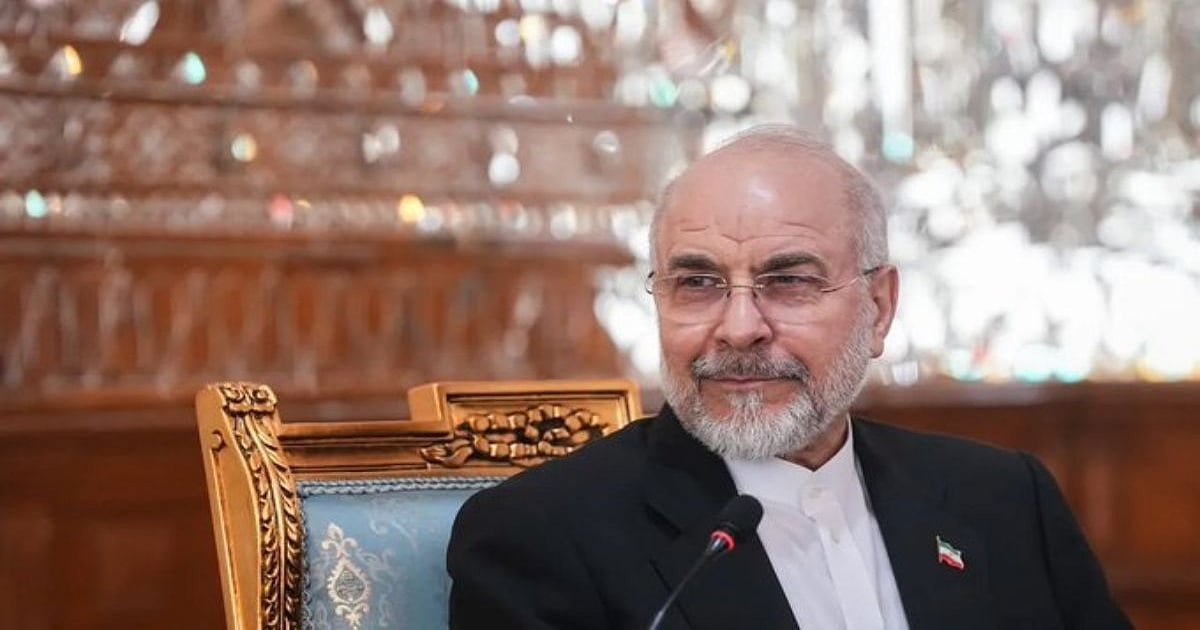
The landscape of U.S.-Iran diplomacy has been upended by reports that Mohammad Bagher Ghalibaf, Iran’s parliamentary speaker and lead negotiator, has stepped down. This development comes at a critical juncture as the peace process faces mounting pressure from both domestic hardliners and the Trump administration.
Why Ghalibaf Stepped Down
Though the Iranian government has yet to issue a formal confirmation, analysts point to a toxic mix of internal politics and ideological clashes:
-
IRGC Pressure: Interference from the Islamic Revolutionary Guard Corps (IRGC) reportedly made Ghalibaf’s role untenable.
-
The Nuclear Red Line: Ghalibaf was allegedly reprimanded for attempting to include the nuclear dispute in negotiations—a topic the inner circle of Supreme Leader Mojtaba Khamenei reportedly considers off-limits.
-
Strategic Disagreements: His openness to a Qatari-mediated de-escalation plan in the Strait of Hormuz was met with stiff resistance from Iranian hardliners.
A New Diplomatic Face
In Ghalibaf’s absence, the spotlight has shifted to Foreign Minister Abbas Araghchi, who recently led the Iranian delegation to Islamabad.
Key Personnel Changes:
Abbas Araghchi: Currently acting as the primary diplomatic lead, recently meeting with Pakistani leadership.
Saeed Jalili: Rumors suggest the hardline politician may be tapped as a permanent replacement to better align the negotiating team with the IRGC’s agenda.
The State of Play: Stalled Negotiations
The peace process is currently gridlocked, exacerbated by a series of weekend setbacks:
-
Trump Withdraws Envoys: President Trump cancelled the scheduled Islamabad mission for Steve Witkoff and Jared Kushner, citing “tremendous infighting” within Tehran and a lack of a unified Iranian proposal.
-
The “Hottest Cards” Doctrine: The U.S. continues to lean on its naval blockade of Iranian ports, with Trump asserting that Washington holds all the leverage and is in no rush to return to the table.
-
Regional Pivot: With direct talks stalled, Araghchi has pivoted toward Oman and Russia, signaling that Iran may be seeking alternative mediation channels or regional support to counter U.S. pressure.
Current Crisis Point
The Strait of Hormuz remains a volatile flashpoint. As the U.S. maintains its counter-blockade and Iran keeps its own shipping restrictions in place, the resulting strain on global energy markets continues to heighten the stakes for any future diplomatic resolution.
The landscape of U.S.-Iran diplomacy has been upended by reports that Mohammad Bagher Ghalibaf, Iran’s parliamentary speaker and lead negotiator, has stepped down. This development comes at a critical juncture as the peace process faces mounting pressure from both domestic hardliners and the Trump administration.
Why Ghalibaf Stepped Down
Though the Iranian government has yet to issue a formal confirmation, analysts point to a toxic mix of internal politics and ideological clashes:
-
IRGC Pressure: Interference from the Islamic Revolutionary Guard Corps (IRGC) reportedly made Ghalibaf’s role untenable.
-
The Nuclear Red Line: Ghalibaf was allegedly reprimanded for attempting to include the nuclear dispute in negotiations—a topic the inner circle of Supreme Leader Mojtaba Khamenei reportedly considers off-limits.
-
Strategic Disagreements: His openness to a Qatari-mediated de-escalation plan in the Strait of Hormuz was met with stiff resistance from Iranian hardliners.
A New Diplomatic Face
In Ghalibaf’s absence, the spotlight has shifted to Foreign Minister Abbas Araghchi, who recently led the Iranian delegation to Islamabad.
Key Personnel Changes:
Abbas Araghchi: Currently acting as the primary diplomatic lead, recently meeting with Pakistani leadership.
Saeed Jalili: Rumors suggest the hardline politician may be tapped as a permanent replacement to better align the negotiating team with the IRGC’s agenda.
The State of Play: Stalled Negotiations
The peace process is currently gridlocked, exacerbated by a series of weekend setbacks:
-
Trump Withdraws Envoys: President Trump cancelled the scheduled Islamabad mission for Steve Witkoff and Jared Kushner, citing “tremendous infighting” within Tehran and a lack of a unified Iranian proposal.
-
The “Hottest Cards” Doctrine: The U.S. continues to lean on its naval blockade of Iranian ports, with Trump asserting that Washington holds all the leverage and is in no rush to return to the table.
-
Regional Pivot: With direct talks stalled, Araghchi has pivoted toward Oman and Russia, signaling that Iran may be seeking alternative mediation channels or regional support to counter U.S. pressure.
Current Crisis Point
The Strait of Hormuz remains a volatile flashpoint. As the U.S. maintains its counter-blockade and Iran keeps its own shipping restrictions in place, the resulting strain on global energy markets continues to heighten the stakes for any future diplomatic resolution.
