

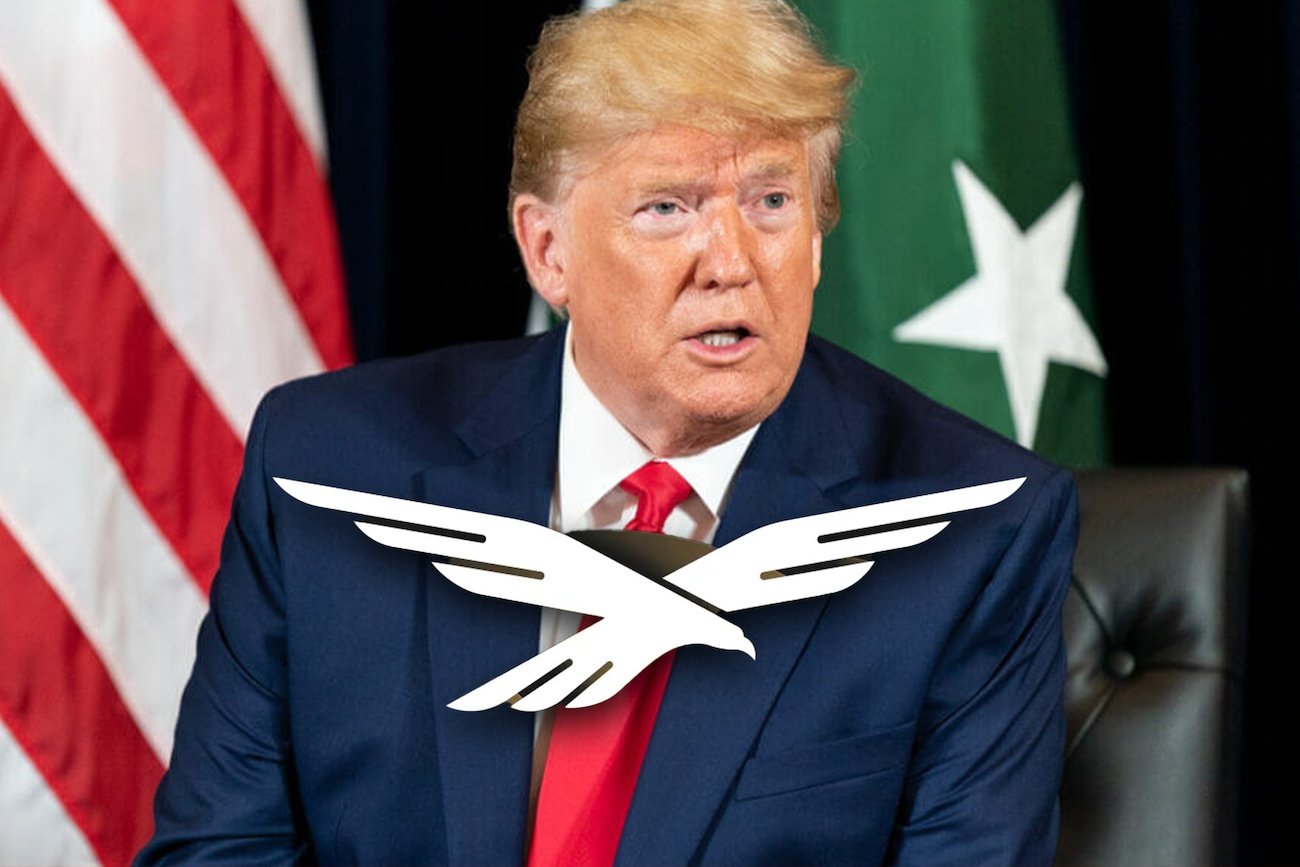
The announcement of a two-week ceasefire between the United States and Iran has centered the global spotlight on an unexpected facilitator: Pakistan. Through the combined efforts of Prime Minister Shehbaz Sharif and Field Marshal Asim Munir, Islamabad has successfully positioned itself as the primary conduit for de-escalation in a region on the brink of total collapse.
The Mechanics of the “Islamabad Talks”
Pakistan’s role was far from symbolic. Since late March 2026, Islamabad acted as the functional “switchboard” for backchannel diplomacy:
-
The Go-Between: Pakistan transmitted Washington’s 15-point peace proposal to Tehran and relayed the Iranian counter-responses.
-
High-Level Access: Field Marshal Munir maintained constant communication with US Vice President JD Vance and Iranian Foreign Minister Abbas Araghchi, earning the moniker of Donald Trump’s “favorite Field Marshal.”
-
Regional Alignment: By hosting foreign ministers from Egypt, Saudi Arabia, and Turkey, Pakistan ensured that any potential deal had the broader backing of the Islamic world.
Why Both Sides Trusted Islamabad
For a mediation to succeed, the “middleman” must possess unique credentials that satisfy two opposing ideologies.
1. Why Tehran Trusted Pakistan
-
Shared Borders & History: Unlike Arab neighbors whom Iran views with suspicion due to their military ties with the US, Pakistan shares a direct land border and a deep-seated diplomatic history with Iran.
-
Solidarity on Israel: Pakistan’s lack of diplomatic ties with Israel and its vocal support for the Palestinian cause provide it with a level of ideological credibility that other regional players lack.
2. Why Washington Trusted Pakistan
-
The Trump-Munir Rapport: Relations between the US and Pakistan have surged over the last year. Islamabad’s inclusion in Trump’s “Board of Peace” for Gaza cemented its status as a reliable security partner.
-
Defense Ties: Field Marshal Munir’s deep-rooted connections within both the US and Iranian defense establishments allowed for military-to-military clarity that civilian diplomats often lack.
The “Survival” Incentive: Why Pakistan Needed This Deal
Pakistan’s pursuit of peace was not merely about prestige; it was driven by national self-preservation.
-
Economic Stability: Pakistan is heavily reliant on Middle Eastern oil and remittances from citizens working in the Gulf. The blockade of the Strait of Hormuz and skyrocketing fuel prices were pushing the Pakistani economy toward a breaking point.
-
Internal Security: The death of Ayatollah Ali Khamenei during earlier hostilities triggered violent protests within Pakistan. Ending the war was essential to preventing domestic civil unrest.
-
Geopolitical Cushioning: With a tense border with India and ongoing friction with Afghanistan, Islamabad could not afford a total collapse of stability on its Iranian frontier.
A Fragile Success
While the ceasefire is a massive diplomatic win, the “Islamabad Talks” scheduled for April 10, 2026, carry immense risk.
The Catch-22: Pakistan lacks the “geopolitical muscle” to enforce the truce. If the ceasefire collapses, Islamabad risks being blamed by both sides. Furthermore, any perceived tilt toward the US could spark domestic blowback, while a tilt toward Iran could alienate the Washington administration and its Gulf allies.
For now, Pakistan has earned its seat at the table. Whether it can turn a two-week pause into a lasting peace remains the ultimate test of its new diplomatic weight.
