

The world narrowly averted a catastrophic escalation on Tuesday as the United States and Iran agreed to a two-week ceasefire, signed just 90 minutes before President Trump’s self-imposed deadline to “annihilate” Iranian civilization. While the public face of the conflict has been defined by Trump’s social media ultimata and global anxiety, reports indicate that the breakthrough was facilitated by a figure who has remained largely in the shadows: Mojtaba Khamenei.
A Deadline on the Brink
The agreement came at the eleventh hour of a month-long war that began with the assassination of the former Supreme Leader, Ali Khamenei, in a joint US-Israeli airstrike on February 28. In the hours leading up to the truce, the tension was palpable:
-
The Ultimatum: President Trump threatened that a “whole civilization will die tonight” if the Strait of Hormuz was not reopened.
-
The Military Stance: The Pentagon had already finalized plans for a massive bombing campaign targeting Iranian infrastructure, including power plants and bridges.
-
The Retaliation: Iran’s Revolutionary Guard (IRGC) warned of “99th wave” attacks that would leave the West deprived of oil and gas for years.
The Rise of the Third Supreme Leader
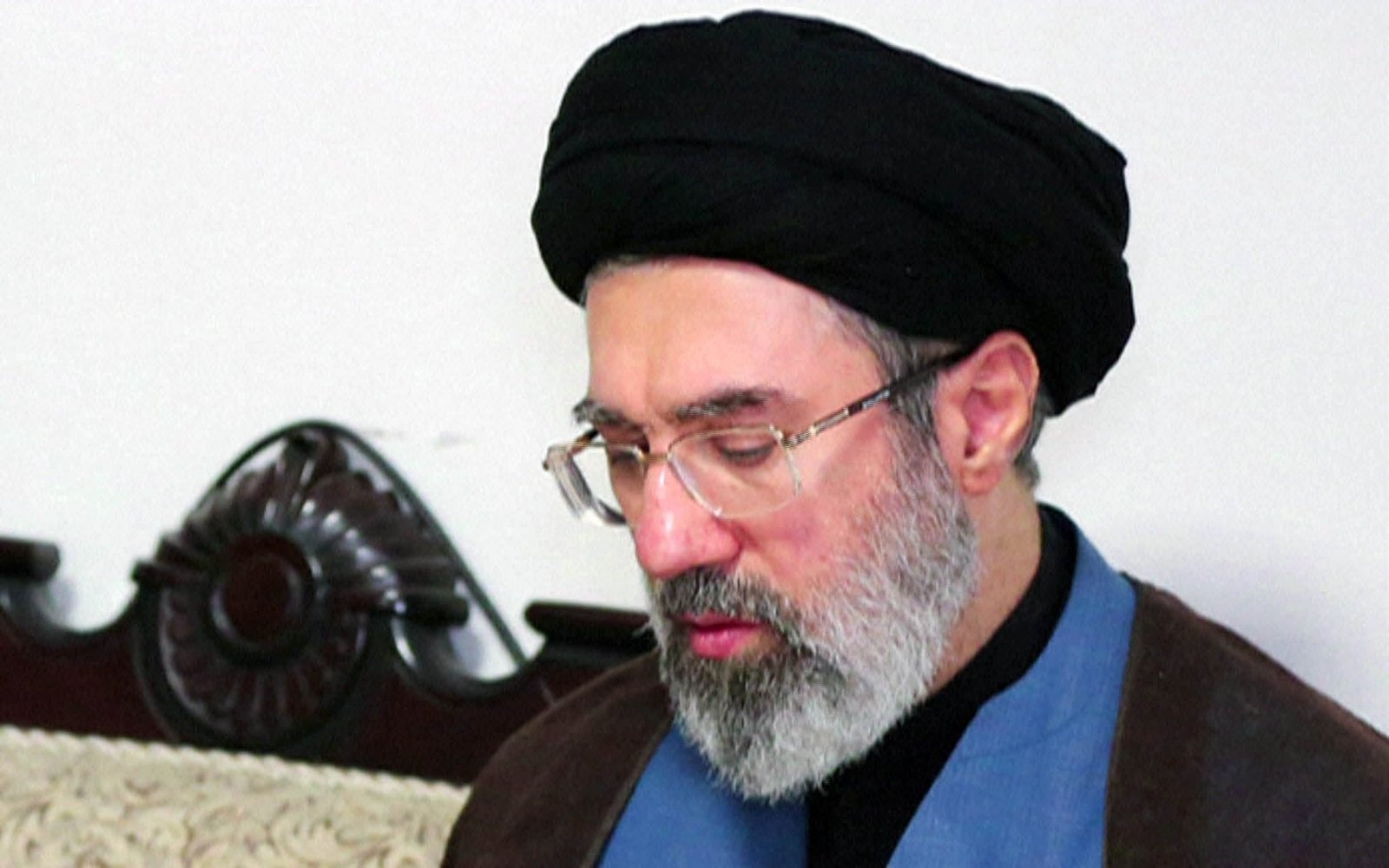
Mojtaba Khamenei, the son of the late Ali Khamenei, has reportedly taken the mantle as the third Supreme Leader since the 1979 Revolution. Operating under the constant threat of assassination and communicating primarily via hand-delivered notes, Mojtaba was the decisive force behind the Iranian concessions.
According to reports from Axios, it was his personal “green light” that allowed Foreign Minister Abbas Araghchi to override hardline IRGC commanders and accept the ceasefire terms. His involvement marks his first major diplomatic act, signaling a pragmatic, albeit cautious, shift in leadership.
The Terms of the Truce
The ceasefire, mediated by Pakistan with assistance from Egypt and Turkey, establishes a 14-day pause in hostilities. Key points include:
“A Victory for Both Sides?”
The rhetoric following the announcement remains characteristically polarized. The White House, via Press Secretary Karoline Leavitt, labeled the deal a “victory” born of “maximum leverage.” Conversely, Iranian state media described the ceasefire as a “humiliating retreat” for Trump, claiming their 10-point plan—which includes demands for sanctions relief and reconstruction funds—is the primary basis for the upcoming talks.
Despite the celebratory atmosphere in the streets of Tehran and the surge in global equity markets, the peace is undeniably thin. Mojtaba Khamenei himself cautioned that this is “not the end of the war,” but rather a tactical pause. For now, the “civilization” Trump threatened still stands, but its future depends entirely on the high-stakes diplomacy set to unfold in Islamabad.
