

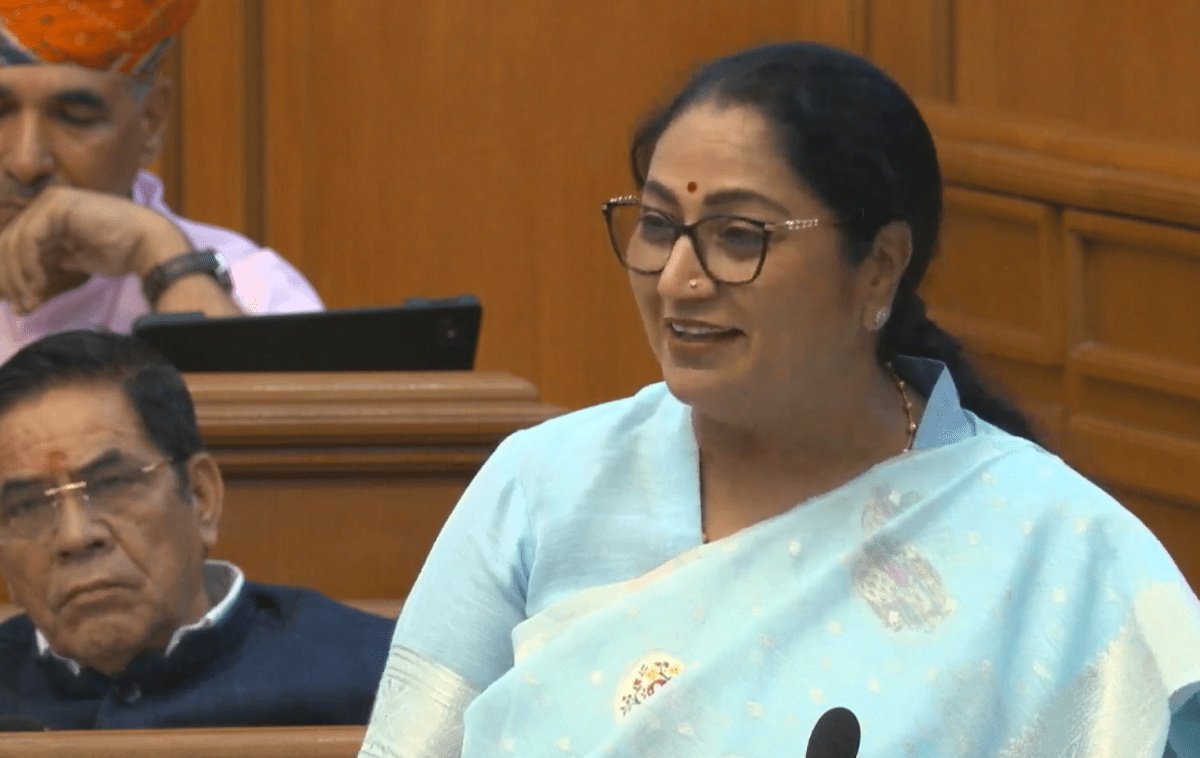
NEW DELHI — In a major shift to clean the capital’s air, the Delhi government presented its 2026-27 Budget on Tuesday, headlined by the launch of EV Policy 2.0. Unlike the previous model, which focused on direct purchase subsidies, the new framework prioritizes the removal of aging petrol and diesel vehicles through a “scrappage first” approach.
Chief Minister Rekha Gupta announced an outlay of ₹200 crore for the policy, stating, “Our goal is to ensure that EVs are affordable for every middle-class family.”
EV Policy 2.0: The Incentive Structure
To unlock the highest tier of financial support, buyers must provide a “Certificate of Deposit” proving they have scrapped a Delhi-registered BS-IV or older petrol or diesel vehicle.
| Vehicle Category | Incentive Amount | Conditions/Caps |
| Private Electric Cars | Up to ₹1,00,000 | Ex-showroom price < ₹15 Lakh; first 100,000 applicants. |
| Electric Two-Wheelers | Flat ₹10,000 | Moves away from battery-capacity-linked model. |
| Electric Three-Wheelers | ₹25,000 | Specifically for the L5M category. |
| EV Retrofitting | ₹50,000 grant | For converting existing ICE cars using certified kits. |
-
Tax Benefits: 100% waiver on road tax and registration fees remains until March 31, 2030, but is now capped at vehicles priced under ₹30 lakh to close the “luxury loophole.”
Public Transport: Fleet Expansion & Infrastructure
The budget allocates ₹8,374 crore to the transport department with a massive push for public electrification:
-
Electric Buses: Plans to add 6,130 new e-buses this fiscal year, aiming for a total fleet of 12,000 by 2029.
-
Charging Network: A new mandate requires all 400+ vehicle dealerships in Delhi to install at least one public charging station. The city aims for 18,000 total charging points by the end of 2026.
-
Battery Recycling: The Delhi Pollution Control Committee (DPCC) will act as the nodal agency for a new framework managing lithium-ion waste and “second-life” battery usage.
Solving the “Subsidy Delay” Problem
Acknowledging that ₹140 crore in past subsidy claims are currently pending, the government has proposed a full integration with Direct Benefit Transfer (DBT) and Aadhaar-based e-KYC. This is expected to slash processing times from 40 days to under one week.
