

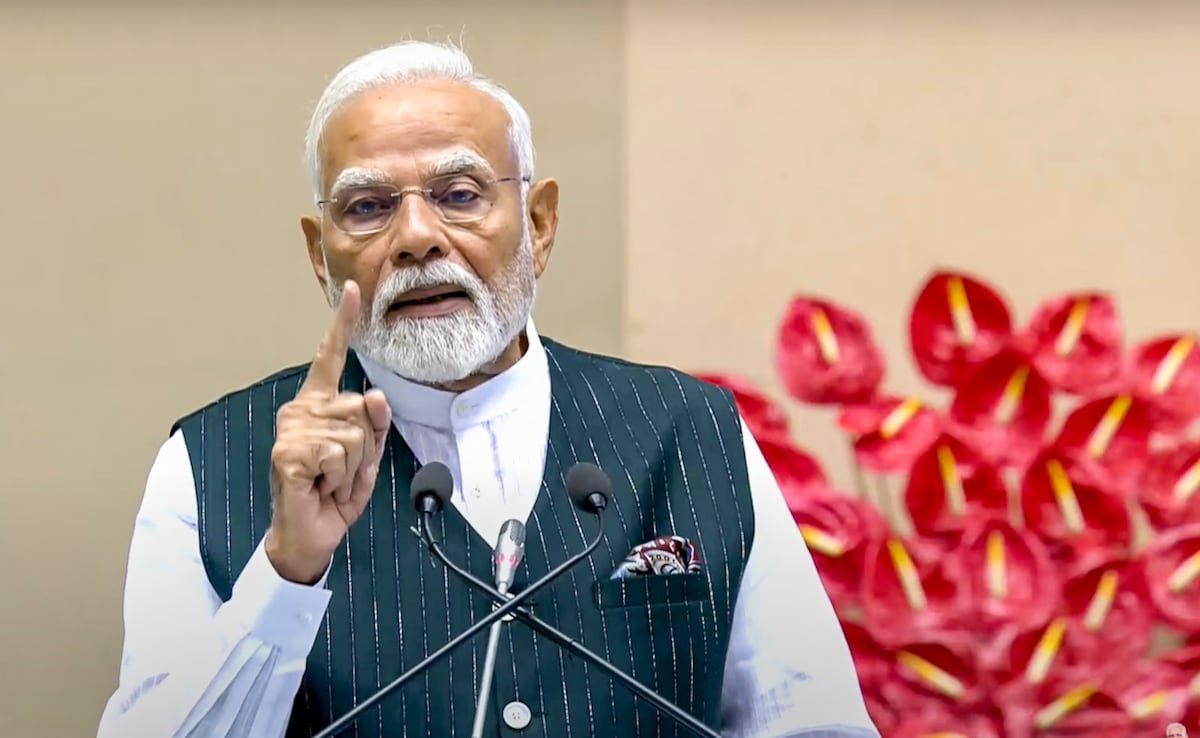
NEW DELHI — Addressing the Lok Sabha during the ongoing budget session, Prime Minister Narendra Modi underscored India’s strengthened energy resilience, revealing that the country has successfully diversified its energy sources to 41 nations to mitigate the impact of the escalating West Asia crisis.
The Prime Minister’s address focused on the government’s proactive measures to shield the domestic economy and citizens from global supply chain disruptions caused by the three-week-long conflict.
Diversification as a Shield
PM Modi highlighted a strategic shift in India’s procurement policy, noting that the country has significantly expanded its reach to ensure a steady flow of crude oil, LPG, and PNG.
-
Expanded Network: India’s energy import stable has grown from 27 countries to 41.
-
Logistical Challenges: The PM acknowledged that maritime movement through the Strait of Hormuz has become “very challenging,” yet maintained that the supply of petrol, diesel, and fertilizers remains stable.
-
Domestic Priority: With India importing 60% of its LPG, the government has officially prioritized domestic consumers to prevent shortages at the household level.
Economic Stability and Resource Management
Addressing concerns over potential power outages and agricultural distress, the Prime Minister offered several assurances:
“I want to tell farmers that the government will continue to make every effort to help them. At present, we have enough coal stocks to ensure there is no power disruption across the nation.”
He also issued a stern warning against “black marketeering” and the spread of misinformation regarding fuel availability, stating he has directed state governments to take the strictest possible action against hoarders.
Geopolitical Stance and Citizen Safety
Describing the situation in West Asia as “worrisome,” PM Modi reiterated that the safety of Indian nationals in the conflict zone remains the administration’s “top priority.”
The Prime Minister joined the global call for a swift resolution to the crisis, noting its increasingly “adverse impact on the global economy and people’s lives.”
