

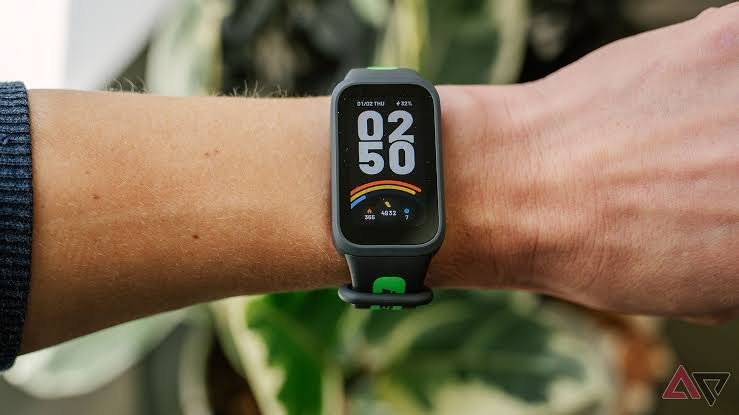
Deciding between a smart band and a smartwatch comes down to whether you prefer passive health monitoring or interactive everyday convenience. Both devices track activity and vital signs, but they serve fundamentally different routines.
Smart Bands: Focused Health and Recovery
-
Passive Tracking: Collects metrics like heart rate, HRV, sleep, and body temperature in the background without mirroring a smartphone experience.
-
Minimalist Design: Lightweight, understated, and comfortable enough for continuous 24/7 wear, making them ideal for sleep tracking and traditional watch wearers.
-
Extended Battery Life: Often lasts for many days or weeks on a single charge due to the lack of power-hungry screens and apps.
-
App Dependency: Relies heavily on companion smartphone apps to view detailed trends, historical data, and analysis.
Smartwatches: Interactive Everyday Hubs
-
Direct Functionality: Provides instant access to notifications, calls, music controls, contactless payments, and third-party apps directly from the wrist.
-
Advanced Workouts and Navigation: Features bright touchscreens for real-time fitness metrics and built-in GPS for turn-by-turn directions and route tracking.
-
Comprehensive Health Tools: Often includes advanced sensors such as ECG, blood-oxygen monitoring, skin-temperature sensing, and irregular heart-rate alerts.
-
Higher Maintenance: Demands more frequent charging (ranging from daily to a couple of weeks depending on the model) and carries a higher cost and bulkier profile.
Making Your Choice A smart band fits users who want distraction-free health tracking and long-lasting battery life without an extra screen on their wrist. A smartwatch suits those who want a versatile pocket-extension for notifications, real-time workout stats, and advanced navigation tools, even if it means charging the device more frequently.
Deciding between a smart band and a smartwatch comes down to whether you prefer passive health monitoring or interactive everyday convenience. Both devices track activity and vital signs, but they serve fundamentally different routines.
Smart Bands: Focused Health and Recovery
-
Passive Tracking: Collects metrics like heart rate, HRV, sleep, and body temperature in the background without mirroring a smartphone experience.
-
Minimalist Design: Lightweight, understated, and comfortable enough for continuous 24/7 wear, making them ideal for sleep tracking and traditional watch wearers.
-
Extended Battery Life: Often lasts for many days or weeks on a single charge due to the lack of power-hungry screens and apps.
-
App Dependency: Relies heavily on companion smartphone apps to view detailed trends, historical data, and analysis.
Smartwatches: Interactive Everyday Hubs
-
Direct Functionality: Provides instant access to notifications, calls, music controls, contactless payments, and third-party apps directly from the wrist.
-
Advanced Workouts and Navigation: Features bright touchscreens for real-time fitness metrics and built-in GPS for turn-by-turn directions and route tracking.
-
Comprehensive Health Tools: Often includes advanced sensors such as ECG, blood-oxygen monitoring, skin-temperature sensing, and irregular heart-rate alerts.
-
Higher Maintenance: Demands more frequent charging (ranging from daily to a couple of weeks depending on the model) and carries a higher cost and bulkier profile.
Making Your Choice A smart band fits users who want distraction-free health tracking and long-lasting battery life without an extra screen on their wrist. A smartwatch suits those who want a versatile pocket-extension for notifications, real-time workout stats, and advanced navigation tools, even if it means charging the device more frequently.
