

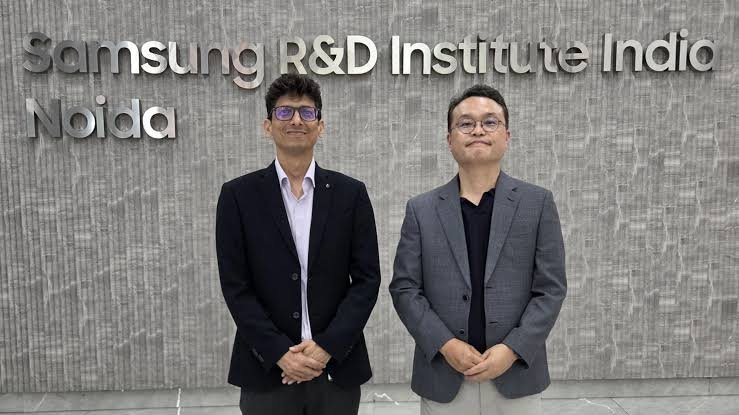
When evaluating how smartwatches handle health metrics, the technology operating behind the scenes is just as critical as the hardware on your wrist. A visit to the Samsung Research Institute India in Noida (SRI Noida) sheds light on how features for the Galaxy Watch 9 and Galaxy Watch Ultra2 are engineered, validated, and tailored for real-world usage.
Behind the Health Metrics The Digital Health team at SRI Noida focuses on developing core tracking platforms within Samsung Health, including features like Vital Tracker, Daily Cardio Load, Hearing Health, and Trail Running.
-
Vital Tracker: Monitors multiple health indicators during sleep—such as heart rate, heart rate variability, skin temperature, respiratory rate, and blood oxygen levels—identifying values outside normal ranges to offer actionable recommendations.
-
Daily Cardio Load: Combines exercise metrics, vital signs, and recovery data (including sleep patterns) to categorize user exertion into optimal, under, or over ranges with customized guidance.
Localization for the Indian Healthcare Ecosystem Engineering features for India requires adapting to regional medical frameworks and everyday lifestyle nuances. Key regional adaptations include:
-
ABDM Compliance: Built in alignment with India’s Digital Health Framework for seamless health record integration.
-
Find Care & Medication Tracker: Developed in partnership with local providers like Tata 1mg, PharmEasy, and EkaCare, enabling users to book doctor appointments, schedule lab tests, order medications, and manage digital health records directly.
Real-World Algorithm Validation Field testing in India directly addresses regional scenarios that standard lab environments might miss. For instance, early iterations of automatic exercise detection frequently misidentified bumpy auto-rickshaw rides as cycling due to local road conditions. Localized field testing allowed Samsung engineers to fine-tune the tracking algorithms, updates that were subsequently rolled out globally.
Preventive Wellness vs. Medical Diagnosis Samsung explicitly positions its wearable lineup as preventive wellness and lifestyle devices rather than clinical diagnostic replacements. While features like ECG, blood pressure tracking, and longitudinal health analytics provide deeper visibility into personal well-being, they are designed to encourage proactive health habits rather than substitute for professional medical care.
