

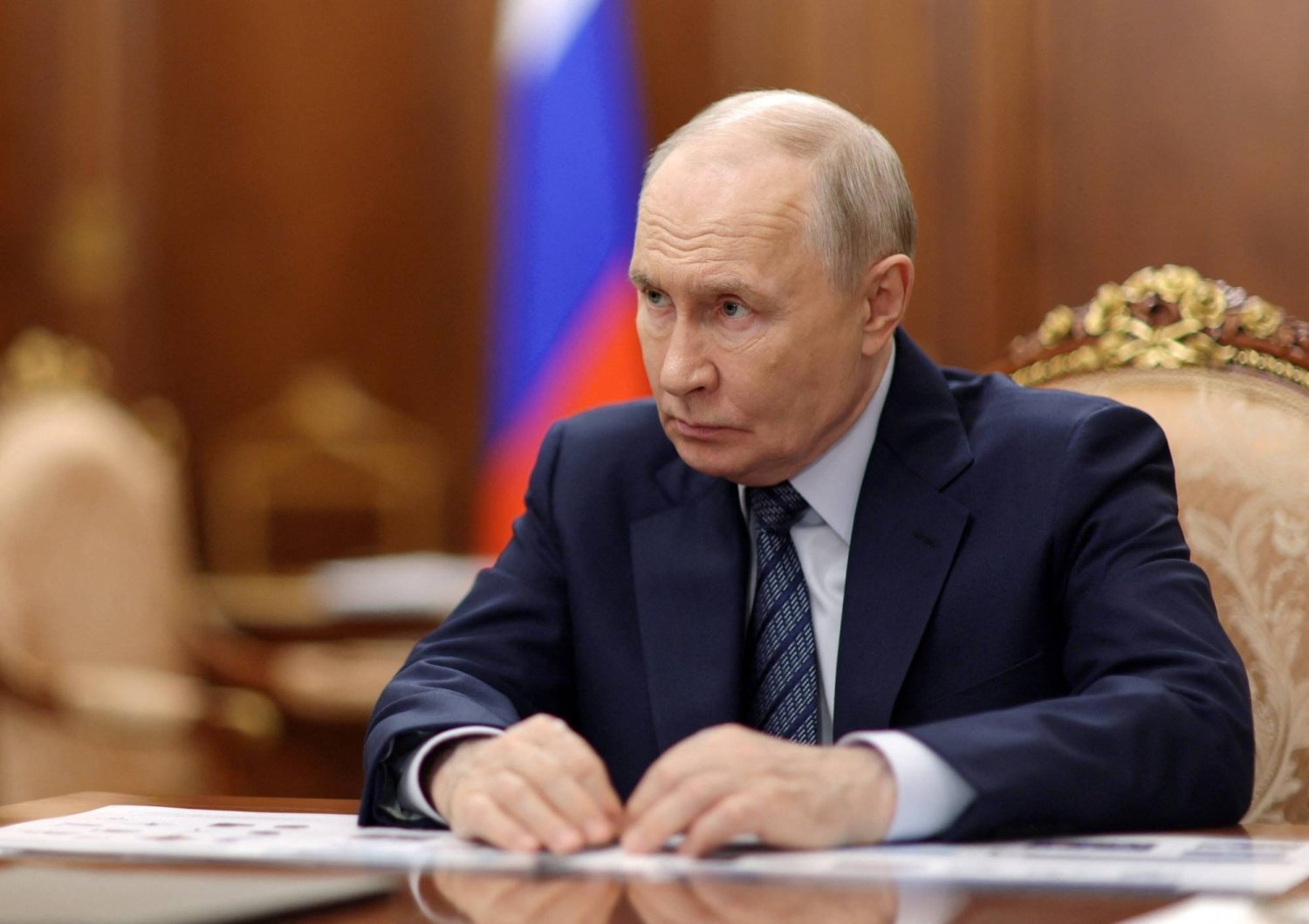
Russian President Vladimir Putin is considering the deployment of tactical nuclear weapons as a “last resort” in the ongoing war in Ukraine, according to sources close to the Kremlin. The development comes as Moscow concludes that diplomatic peace negotiations have reached a complete dead end.
Tactical nuclear weapons—short-range warheads designed for battlefield use rather than total urban destruction—possess immense yield capable of contaminating large swathes of land with long-term radioactive fallout.
Global Warning and Immediate Conventional Strategy
The potential for nuclear escalation has drawn stark warnings from global powers, including key Russian partners China and India. Ukrainian President Volodymyr Zelensky and senior European officials confirmed that Beijing delivered an explicit directive to Moscow warning against detonating tactical nuclear devices.
For the immediate term, Moscow is planning to intensify heavy conventional ballistic missile attacks targeting Kyiv and critical energy infrastructure across Ukrainian cities.
Ukraine Expands Deep-Strike Campaign
Concurrently, Ukraine has widened its long-range drone campaign deep inside Russian territory. Beyond targeting oil refineries and energy infrastructure, Ukrainian forces have struck major commercial and logistics warehouses to disrupt Russia’s wartime economy.
Kremlin officials view these deep-territory strikes as direct aggression by NATO member states, citing Western weapons integration and real-time intelligence sharing. President Putin shrugged off Western economic sanctions, warning that Kyiv has “opened Pandora’s box” and must prepare for severe retaliatory strikes against its critical economic sectors.
CIA Chief Makes High-Stakes Visit to Moscow
Against the backdrop of nuclear rhetoric and long-range strikes, CIA Director John Ratcliffe made an unannounced trip to Moscow to meet directly with Russian intelligence officials.
U.S. intelligence assesses that Moscow could consider testing NATO’s resolve through targeted provocations—ranging from high-impact cyberattacks to limited ground incursions against an alliance member. Ratcliffe conveyed an explicit warning to the Kremlin against provoking a direct confrontation with NATO.
Kremlin spokesperson Dmitry Peskov confirmed Ratcliffe’s meetings with Russian intelligence leadership, though he clarified that no direct meeting occurred with President Putin. Peskov dismissed reports of planned Russian actions against NATO as unsubstantiated “scare stories,” while describing intelligence-level communication channels as a necessary and positive process during severe geopolitical friction.
