

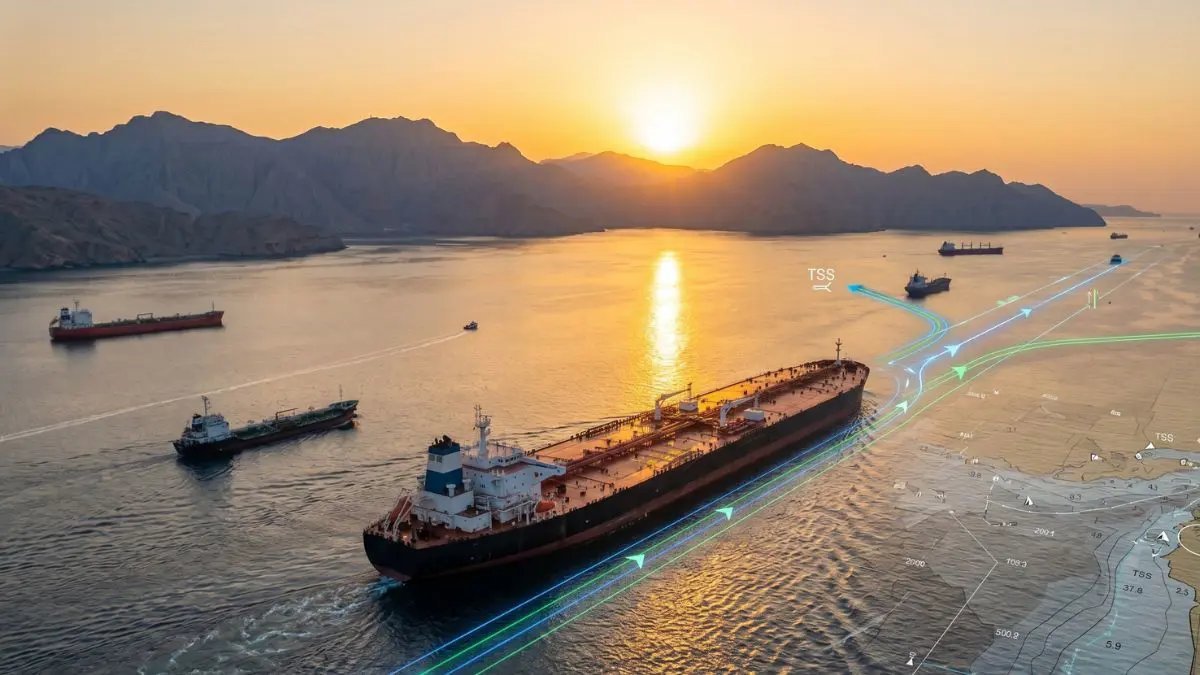
Despite an initial price surge past $103 per barrel following military conflict between Israel, the US, and Iran, global oil prices have stabilized below the $100 mark. This stabilization is largely driven by clandestine shipping tactics, military escorts, and strategic rerouting rather than diplomatic breakthroughs.
Key Tactics Stabilizing Crude Supply
-
“Dark” Transits with Naval Escorts: Middle Eastern producers (Saudi Arabia, Kuwait, Qatar, UAE) are chartering tankers that disable their AIS transponders (going “dark”) to evade tracking and mitigate Iranian drone threats. Guided through the Strait of Hormuz under US Navy escorts, these ships transfer crude in the Gulf of Oman before returning unseen.
-
Shifting Risk and Costs: The strategy shifts financial risks, soaring insurance premiums, and physical threats from private commercial shippers to the US military and sovereign oil producers.
-
Volume Discrepancy: The tactic has successfully bypassed blockades. The US Department of Energy estimates oil traffic through the strait at 8 to 9 million barrels daily—roughly double what standard transponder tracking shows—with over 1,500 recorded dark crossings since March.
-
Bypassing the Strait: Saudi Arabia redirected 5 million barrels per day via its East-West pipeline to Red Sea ports. Regional producers rerouted another 2 million barrels daily away from the strait entirely.
-
Global Supply Backfill: Increased crude output from non-OPEC producers (Brazil, Guyana, Venezuela, and the US) has added over 1.3 million barrels per day, further neutralizing potential global supply deficits.
