

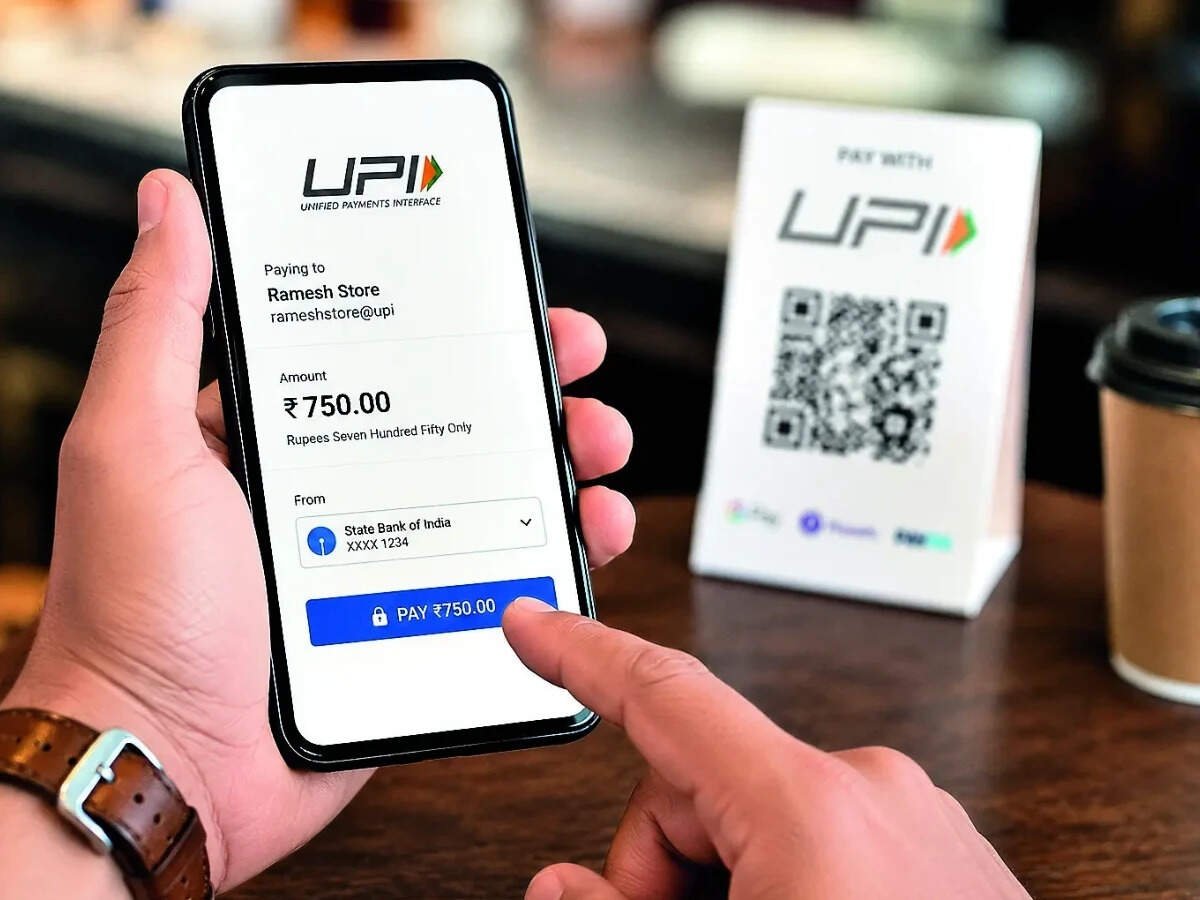
The Ministry of Finance has clarified that digital payments via UPI will remain completely free for citizens and person-to-person (P2P) transfers, even as the government prepares an enabling framework to potentially introduce a nominal Merchant Discount Rate (MDR) on select high-value commercial transactions.
Key Takeaways
-
Zero Cost for Everyday Users: All individual-to-individual (P2P) payments and consumer transactions will remain 100% free.
-
Selective Fee Structure: Any future MDR will apply strictly to a limited category of merchant payments crossing a specific monetary threshold.
-
Lower Than Cards: Proposed fees will be significantly lower than standard MDR charges currently applied to debit and credit card processing.
-
Majority Unaffected: The “vast majority” of merchant transactions will continue to incur zero charges.
Why the Policy Change?
The proposed shift is tied to amendments under the Taxation and Other Laws (Amendment) Bill, 2026, which modifies Section 10A of the Payment and Settlement Systems Act, 2007.
“Reliance on subsidies alone is not viable for the next wave of growth. A balanced framework is required to ensure that UPI remains robust, inclusive, and future-ready.” — Ministry of Finance
Primary Drivers:
-
Infrastructure & Security: Funding ongoing upgrades to cybersecurity, fraud prevention systems, and server infrastructure required to handle rapidly expanding transaction volumes.
-
Ecosystem Growth: Creating a self-sustaining business model to encourage payment providers and fintech firms to scale digital payment networks further.
What Happens Next?
Once Parliament passes the amendment bill, the UPI and Services Steering Committee—led by the National Payments Corporation of India (NPCI)—will define the exact fee rates, thresholds, and applicable merchant categories. The ministry noted that the amendment provides an enabling legal base rather than an immediate, blanket fee mandate.
