

Pakistan’s Ministry of Information and Broadcasting (MOIB) has announced stringent new guidelines requiring foreign journalists and international media personnel to secure a prior No-Objection Certificate (NOC) before traveling to produce news reports, documentaries, or digital content outside Islamabad, Lahore, and Karachi.
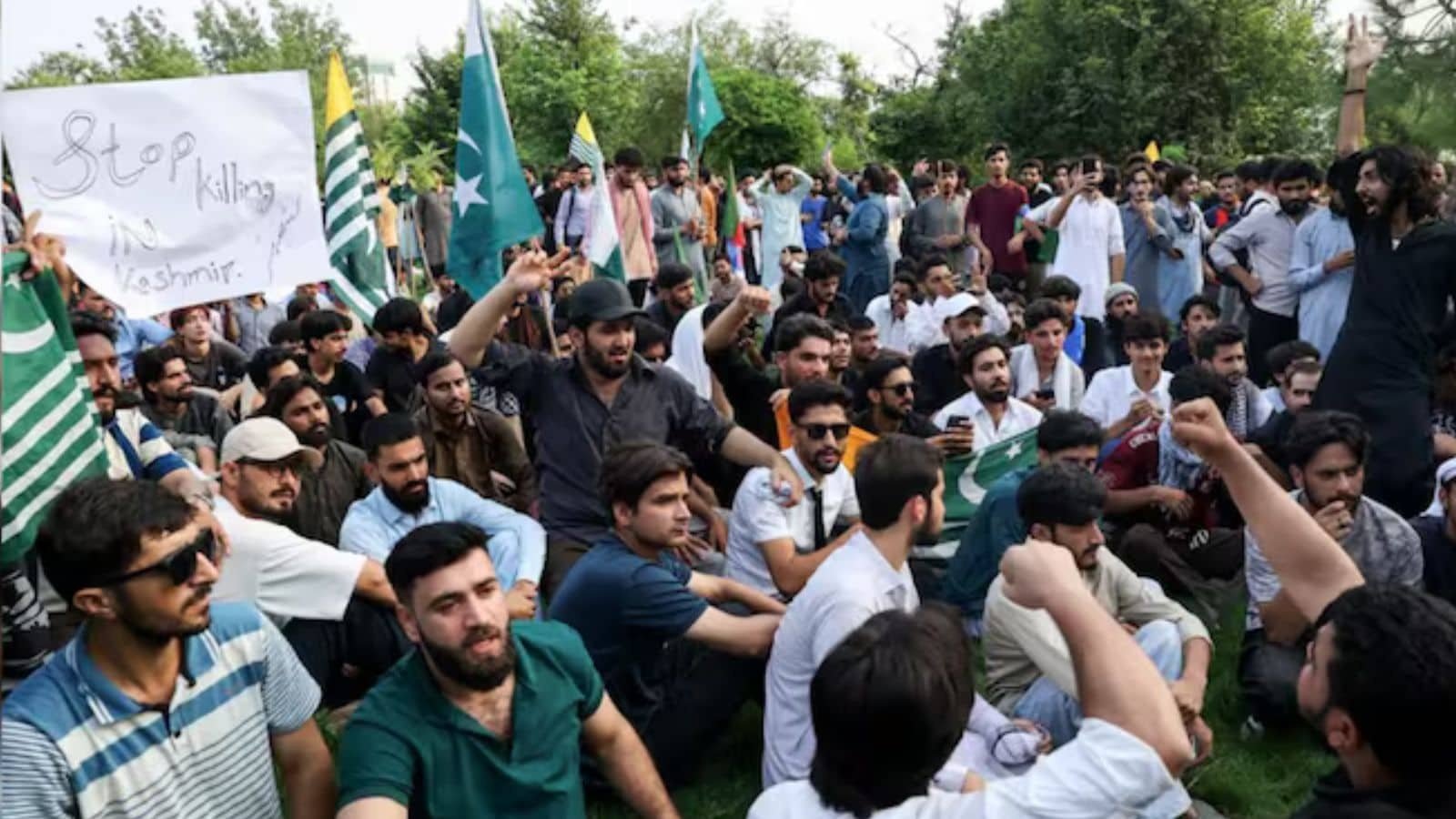
The movement restriction comes amid escalating international criticism regarding Pakistan’s handling of civil protests and media access in Pakistan-occupied Jammu and Kashmir (PoJK).
Key Highlights of the New Guidelines
-
NOC Requirement: All foreign journalists accredited with the Ministry’s External Publicity (EP) Wing must obtain explicit permission from the government before traveling to any city other than Islamabad, Lahore, and Karachi for official reporting.
-
Leisure Travel: Journalists traveling for non-official purposes to select regions like Abbottabad and Murree can request an NOC, with processing expected within three working days.
-
Digital Portal Registration: All foreign media organizations, overseas Pakistani contributors, production companies, freelancers, and local fixers must register via the EP Wing’s online portal. Applications for overseas Pakistani journalists must be routed through local diplomatic missions.
-
Accreditation: Registered personnel will receive QR-enabled PVC accreditation cards for official events. Processing takes approximately seven working days for registration cards and 4–6 weeks for full accreditation.
-
Appeals Process: The EP Wing retains the authority to approve or reject accreditation applications, though journalists may appeal decisions to the Secretary of the Ministry of Information and Broadcasting.
Background and Growing Backlash
The mandate follows widespread international scrutiny over civil unrest in PoJK, where protests initially sparked by rising flour prices and electricity tariffs have led to a severe state crackdown. Reports indicate that at least 90 civilians have died since June.
-
Press Freedom Concerns: Human rights organizations, including Amnesty International and the Committee to Protect Journalists (CPJ), have voiced serious concerns over communications blackouts, enforced disappearances of media workers, and physical violence against demonstrators.
-
India’s Response: Ministry of External Affairs (MEA) spokesperson Randhir Jaiswal condemned the ongoing violence, characterizing the crackdown as repression through “bullets, blackouts, and intimidation” while labeling local elections in the region a “complete farce.”
