

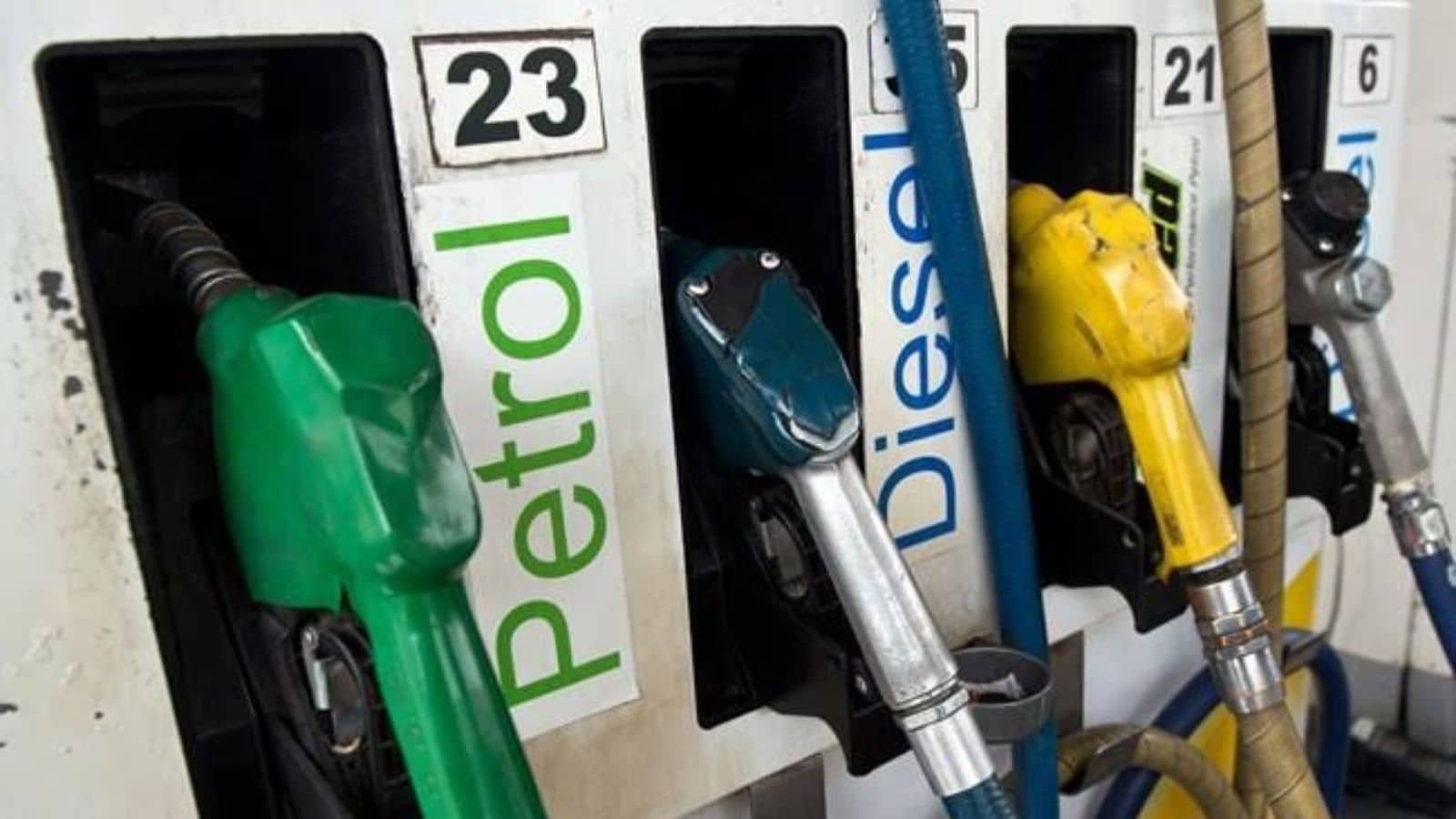
The Central Government has clarified that consumers should not expect lower retail prices for E20 (20% ethanol-blended) petrol, despite the heavy integration of domestically produced biofuels. Addressing recurring public questions about pump pricing, the Ministry of Petroleum and Natural Gas explained that the cost structure of ethanol is tied to guaranteed agricultural payouts rather than volatile global crude oil markets.
The Cost of Protecting Farmers To support the domestic agricultural sector, the government procures ethanol from farmers at fixed, protected rates. For instance, maize-based ethanol is purchased at approximately Rs 71.86 per litre. Because these domestic procurement prices remain high and steady, E20 actually costs more to manufacture than conventional pure petrol when global crude oil is trading around $70 a barrel. The ministry noted that a visible retail price advantage for E20 would only materialize if global crude prices spiked drastically to the $120–$130 per barrel range.
Logistical Realities and Fuel Security The ministry also dismissed suggestions of offering pure petrol, E10, and E20 simultaneously at fuel stations. Managing three independent supply chains across India’s network of over 1 lakh filling stations is logistically and financially unviable. Lower blends must be phased out to ensure a streamlined distribution network.
Instead of immediate discounts at the pump, the government emphasizes that the true value of E20 lies in macroeconomic insulation. Replacing 20% of every litre of petrol with domestic supply cushions the broader economy against sudden international oil shocks.
Debunking Engine Damage and Performance Myths The government countered widespread anxieties regarding the impact of E20 on older vehicle engines. Citing data from Maruti Suzuki, which serviced 2.84 crore vehicles in 2025–26, the ministry revealed that out of 1.5 crore older models not certified for E20, there were zero reported cases of engine corrosion or fuel component failure. Regulatory and industry bodies—including ARAI, SIAM, and IOCL—confirmed no compatibility issues, explaining that older E10 manufacturing labels merely reflect the standards of the vehicle’s launch year rather than an active safety risk today.
While the ministry acknowledged a minor 3% to 5% drop in fuel mileage, it highlighted that E20 offers a higher octane rating for better engine performance and slashes lifecycle carbon emissions by roughly 40%.
A Macroeconomic Success Story India’s ethanol journey began with a 2001 pilot project and a 2013 formal policy, but blending stagnated at just 1.5% before 2014 due to an exclusive reliance on seasonal sugarcane. Policy overhauls after 2018 diversified production feedstocks to include maize and damaged food grains, accelerating the blending rate from 8.1% in 2020–21 to the current 20% milestone.
According to the Petroleum Planning and Analysis Cell (PPAC), the E20 transition has yielded massive economic dividends:
-
Rs 1.97 lakh crore saved in foreign exchange by curbing crude imports.
-
Rs 1.66 lakh crore transferred directly into the rural economy and to farmers.
-
Price Stabilization: This domestic buffer kept India’s retail petrol price hike to just 5.58% between June 2022 and June 2026, shielding consumers from the severe fuel inflation seen in neighboring South Asian and European economies over the same period.
