

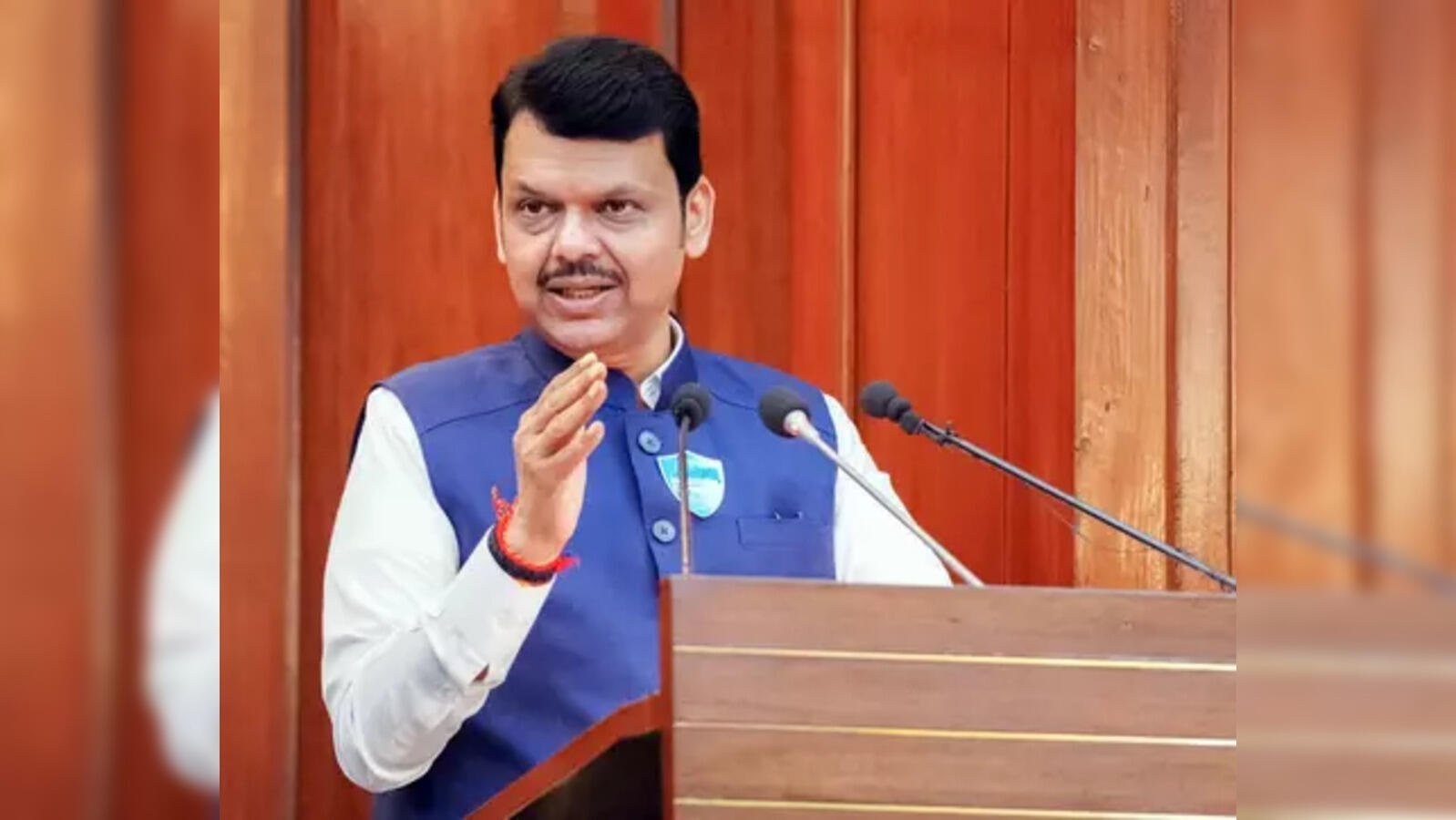
Maharashtra Chief Minister Devendra Fadnavis has announced a major expansion of the state’s latest agricultural relief initiative, removing the strict Rs 2 lakh ceiling that previously disqualified thousands of distressed farmers. Speaking in the legislative assembly, Fadnavis—who also holds the finance portfolio—confirmed that the updated Punyashlok Ahilyadevi Holkar Farm Loan Waiver Scheme will now benefit an estimated 56 lakh farmers, delivering total assistance worth Rs 36,000 crore.
In another significant policy shift, the cut-off period for outstanding dues has been extended. While the scheme originally covered arrears accumulated up to the 2025–26 financial year, it has now been pushed forward to include outstanding loans up to the 2026–27 fiscal year. Furthermore, the government has extended the Rs 2 lakh waiver benefit to farmers who were previously covered under the 2019 Mahatma Jyotirao Phule loan waiver program.
Addressing Financial Distress vs. Banking Health Fadnavis defended the sweeping measure as a necessary intervention to protect vulnerable farmers from predatory private moneylenders and help them regain access to formal institutional credit. He emphasized that the decision was driven entirely by widespread agricultural distress rather than political expendiency, noting that the BJP-led government faces no major elections until 2029.
However, the Chief Minister also acknowledged the structural risks associated with large-scale relief, conceding that recurring waivers can inadvertently incentivize borrowers to delay repayments and compromise the financial health of cooperative banks. To balance immediate rural relief with fiscal responsibility, the state consulted banking sector representatives before finalizing the rollout.
Fiscal Commitments to Agriculture The expanded loan waiver adds to Maharashtra’s extensive rural support framework. According to Fadnavis, the state government already provides an annual electricity subsidy of approximately Rs 25,000 crore to the agricultural sector, alongside various departmental subsidy schemes totaling roughly Rs 95,000 crore. Moving forward, the state plans to structure its broader farm sector support with an allocation of Rs 20,000 crore in the first year, Rs 22,000 crore in the second year, and Rs 25,000 crore in subsequent years.
