

India’s private space revolution is on the verge of a glittering milestone. Hyderabad-based Skyroot Aerospace, the nation’s youngest space technology unicorn valued at over $1.1 billion, is preparing for the maiden orbital flight of its Vikram-1 rocket.
Stepping away from traditional, purely scientific payloads, this upcoming mission—named “Aagaman” (Sanskrit for “arrival”)—will carry an extraordinary mix of advanced technology, luxury art, and precious metals into Low Earth Orbit.
The Mission at a Glance
-
The Rocket: Vikram-1, a 7-storey orbital vehicle built with advanced carbon composite structures and 3D-printed engines. It is designed to carry payloads up to 350 kilograms.
-
The Launch Window: July 12 to August 4, 2026, operating out of the Satish Dhawan Space Centre in Sriharikota.
-
The Milestone: If successful, Vikram-1 will become India’s first privately developed launch vehicle to successfully place satellites into orbit.
A Stellar Fusion of Art and Luxury
While Aagaman is fundamentally a technology demonstration, its most eye-catching cargo bridges the gap between high-tech engineering and fine art:
-
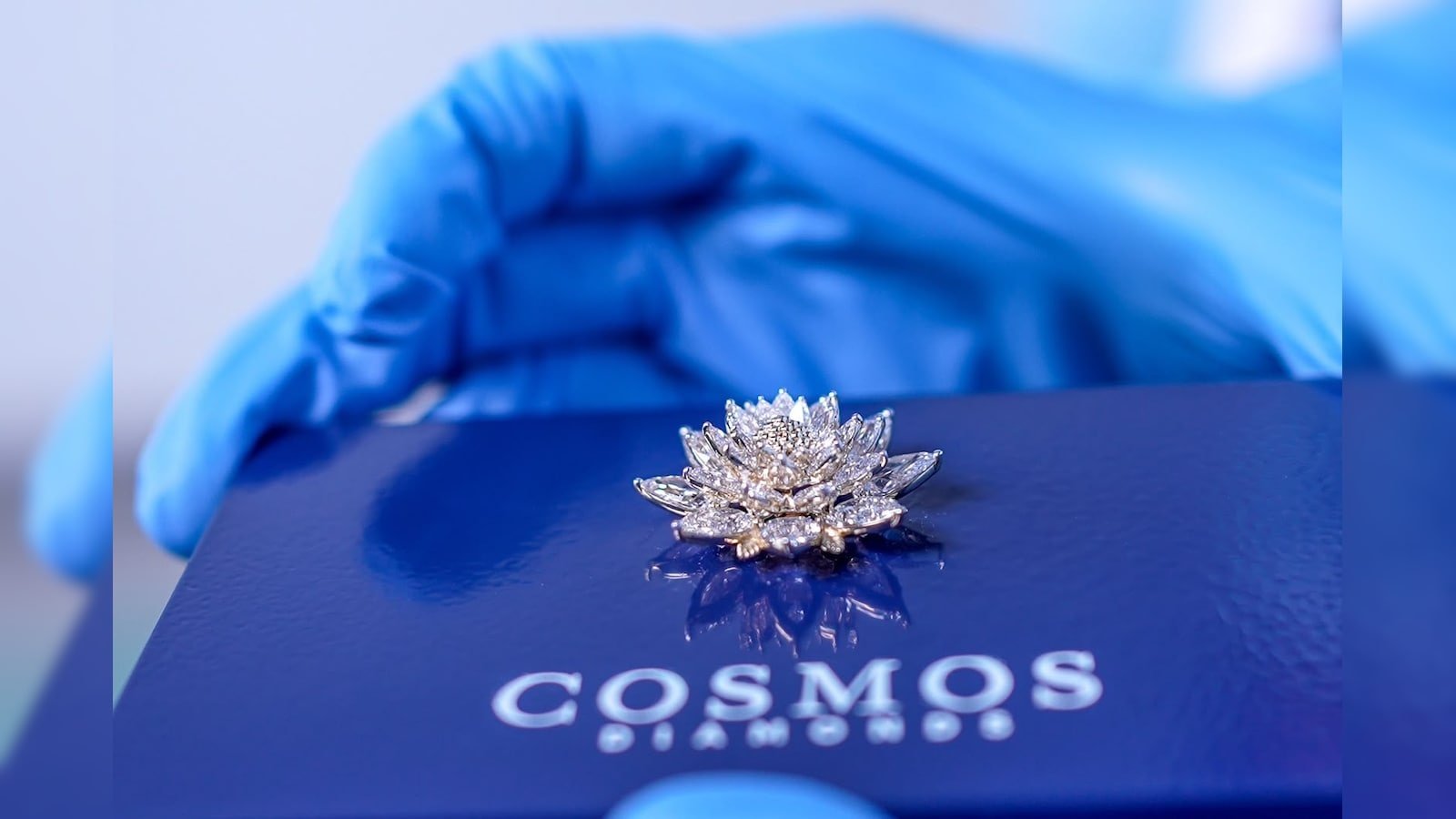
Cosmic Bloom: Developed by Cosmos Diamonds, this payload features an artistic diamond jewelry creation mounted on an aluminum base plate, marking the first time diamonds will fly on an Indian rocket.
-
Microart Tribute: Miniature artist Ajay Kumar Mattewada has crafted an 18-carat gold micro-sculpture. Smaller than a grain of rice, the piece depicts a tiny rocket carrying three of India’s greatest scientific icons: Sir C.V. Raman, Dr. Vikram Sarabhai, and Dr. A.P.J. Abdul Kalam.
Did You Know? While precious materials are a first for India, flying art is a growing tradition. SpaceKidz India previously launched student-created artwork on two separate satellites to inspire global creativity.
Cutting-Edge Tech on Board
Beyond the luxury payloads, Vikram-1 is loaded with commercial and experimental tech aimed at tackling modern aerospace challenges:
-
Space Debris Cleanup: Cosmoserve Space is launching “Embrace,” a soft-robotic arm system designed to test capturing inactive satellites and space junk. Developed from concept to flight-ready hardware in just four months, this tech aims to make future orbital environments sustainable.
-
International Partners: The rocket will carry payloads from India’s Grahaa Space and Germany’s DCubed, highlighting global commercial interest in India’s private space sector.
-
In-House Data Gathering: Skyroot will fly its own SCOPE payload to monitor vehicle performance, guidance, and structural data in real flight conditions to optimize future rocket designs.
Redefining India’s Space Economy
Founded by former ISRO scientists Pawan Kumar Chandana and Naga Bharath Daka, Skyroot is proving that space is no longer the exclusive domain of government agencies.
Mission Aagaman represents a massive leap forward for India’s commercial space sector. When Vikram-1 lifts off, it will carry more than just hardware, gold, and diamonds—it carries the momentum of a billion-dollar private industry ready to cement India’s spot in the global space economy.
