

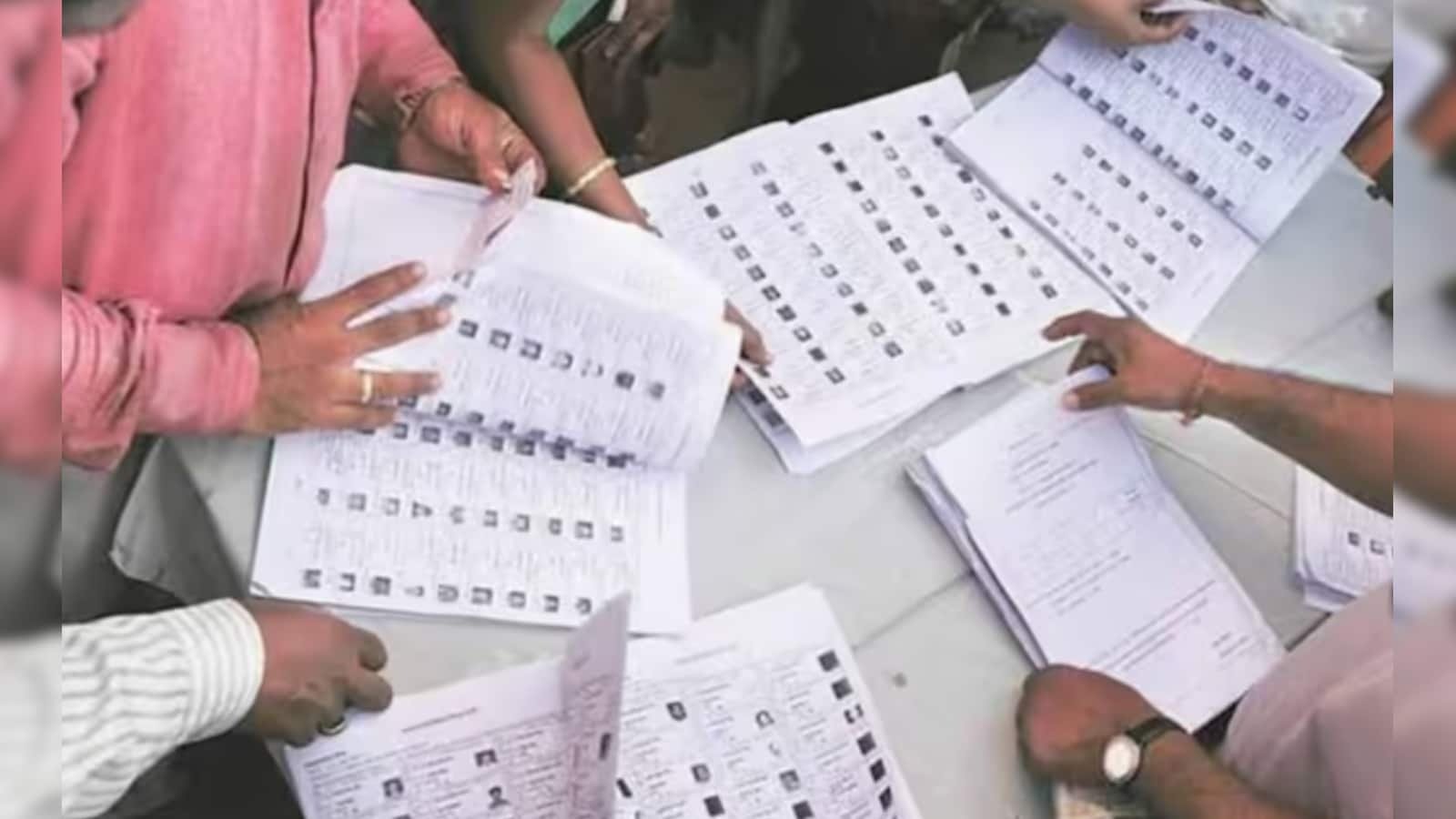
The Chief Electoral Officer (CEO) of Sikkim, Raj Yadav, officially released the Draft Electoral Roll prepared under the Special Intensive Revision (SIR) 2026 on Sunday. Distributed to representatives of recognized political parties, the updated roll marks a significant step in refining the state’s voter database, resulting in the removal of approximately 37,000 names and the addition of around 43,000 new voters.
Sikkim’s total electorate now stands at 4,71,018.
Key Data and District Breakdown
According to the CEO, 99.72% of the enumeration forms have been distributed, with 91.99% already digitized and verified. However, 8.01% (37,724 electors) remain uncollectable.
Gangtok holds the highest number of voters, while Mangan holds the lowest.
| District | Electorate Strength | Uncollectable Forms (%) |
| Gangtok | 1,22,240 | 11.63% (Highest) |
| Namchi | 1,10,651 | N/A |
| Pakyong | 83,111 | N/A |
| Soreng | 62,276 | N/A |
| Gyalshing | 60,435 | 6.11% (Lowest) |
| Mangan | 32,305 | N/A |
Mass Notices and Verification Process
To ensure absolute accuracy, the Election Department expects to issue between 88,000 and 90,000 notices to citizens. This includes:
-
38,000 notices to individuals whose names are missing from the 2002 electoral roll.
-
Over 50,000 notices to resolve data anomalies, such as surname mismatches.
Crucial Warning: Chief Electoral Officer Raj Yadav stressed that responding to these notices is mandatory. “If a citizen receives a notice, it is their responsibility to appear before the ERO or AERO and submit valid documents. Failure to do so during the notification period will result in permanent deletion,” Yadav warned.
He projected that roughly 5% to 10% of notice recipients (about 10,000 voters) could face eventual deletion if they fail to clear the verification process.
Strategic Transparency Measures
The state has implemented several measures to make the revision process foolproof and transparent:
-
New Polling Stations: 53 new polling stations have been added to keep the voter count below 1,200 per station.
-
Public Accountability: Physical deletion lists will be displayed at local Panchayat Ghars, and minutes of meetings between Booth Level Officers (BLOs) and Booth Level Agents (BLAs) must be uploaded online.
-
QR Code Verification: The public can view the Deletion List and the Absentee, Shifted, Dead, and Duplicate (ASDD) list online via a dedicated QR code.
-
Special Camps: For those missing from the draft roll, special camps will be hosted on July 11–12 and July 25–26 to submit claims and corrections (Forms 6, 7, and 8).
Civil Society Demands Rigorous Scrutiny
The Sikkimese Mulniwasi Suraksha Sangh (SMSS) has welcomed the intensive revision but called for stringent vetting during hearings to prevent illegal enrollment.
SMSS President Ratnalal Sapkota emphasized that applications leveraging a grandfather’s credentials while bypassing the father’s details must face strict scrutiny. He also called for a thorough verification of individuals registering via a mother’s or spouse’s credentials.
“Thousands of people registering through their mothers are genuine citizens, but there may also be fraudulent cases. That is precisely why hearings are necessary—to separate genuine voters from illegal ones,” Sapkota said, urging the public to actively utilize Form 7 to flag fraudulent entries. He concluded that the 30-day timeline is entirely sufficient for a state of Sikkim’s size if executed accurately.
