

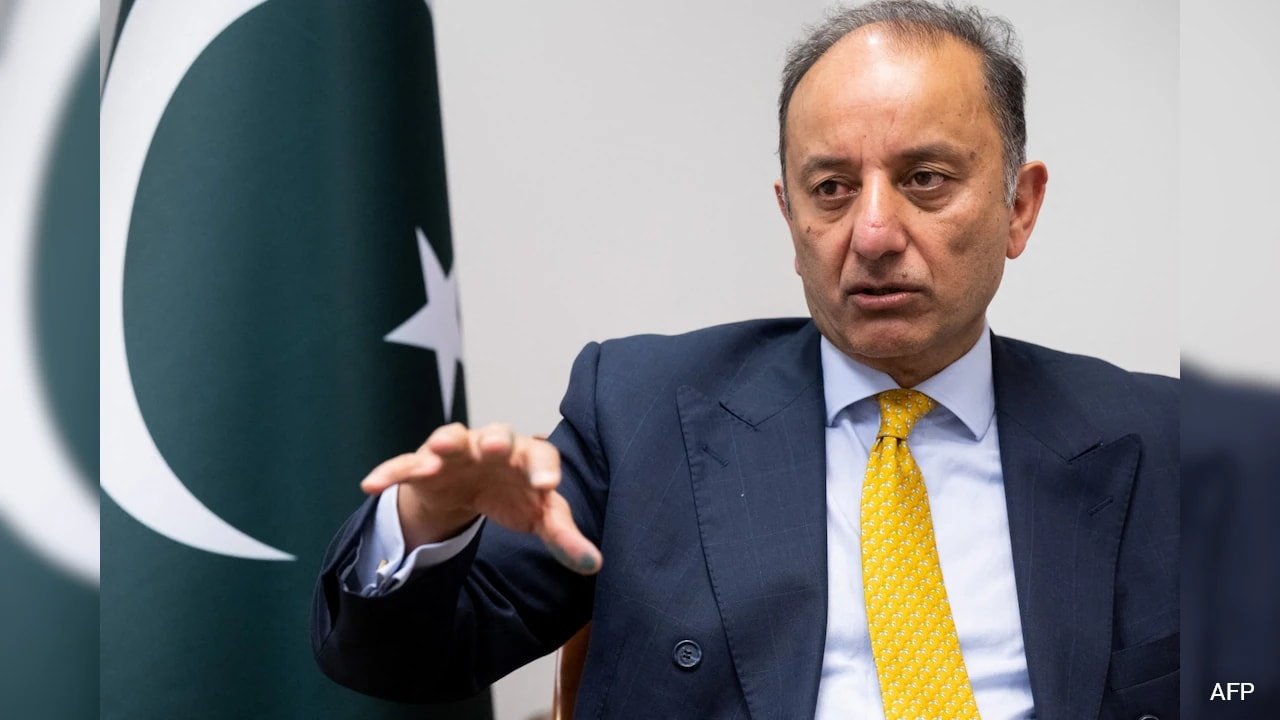
Tensions between New Delhi and Islamabad have escalated sharply after Pakistan’s Climate Change Minister, Musadik Malik, issued a highly aggressive, unprovoked threat targeted at India. Malik warned that Islamabad would “cut off those hands” that attempt to obstruct Pakistan’s allocated share under the Indus Waters Treaty (IWT).
The fiery rhetoric follows India’s decision to place the historic 1960 water-sharing pact in abeyance (temporary suspension) after a devastating cross-border terrorist attack in Pahalgam, Jammu and Kashmir, which claimed the lives of 26 civilians.
Key Grievances Aired by Islamabad
During a high-profile press conference, Pakistani ministers framed the water dispute as an existential threat to their nation’s stability:
-
Food and Economic Security: Minister Malik emphasized that 40% to 50% of Pakistan’s population relies directly on agriculture. He accused New Delhi of trying to control “the entirety of the country’s food security, 50 per cent of employment, and 25 per cent of the economy.”
-
The “Tap” Analogy: Malik directly targeted New Delhi’s leadership, stating, “There is a tap being controlled by the prime minister of a neighbouring country. He says he will not let even a drop of water flow into Pakistan.”
-
International Appeal: Pakistani officials argued that even without a formal treaty, international conventions protect lower riparian states (countries downstream). They questioned whether any upper riparian state has the right to cut off a downstream nation’s water supply.
The Geopolitical Context: India’s Firm Stance
The diplomatic friction intensified after Union Water Resources Minister C.R. Patil stated that India intends to fully utilize its legally designated share of the Indus waters within the next two years, ensuring no excess Indian water flows into Pakistan.
India has maintained a strict, unyielding policy condition: the treaty will remain suspended until Islamabad demonstrates verifiable and concrete action to permanently dismantle the state-sponsored infrastructure of cross-border terrorism operating from Pakistani soil.
Pakistan Defends Legality of the Pact
Flanking Malik at the press conference, Pakistan’s Information Minister, Attaullah Tarar, attempted to ground the rhetoric in legal arguments. He asserted that the IWT cannot be unilaterally revoked, abolished, or amended by India under international law.
Tarar reiterated a joint stance from Prime Minister Shehbaz Sharif and Army Chief Field Marshal Asim Munir, warning that for Pakistan, “water is our lifeline as well as our red line.” Islamabad plans to formally present its case to international forums to challenge India’s suspension of the pact.
