

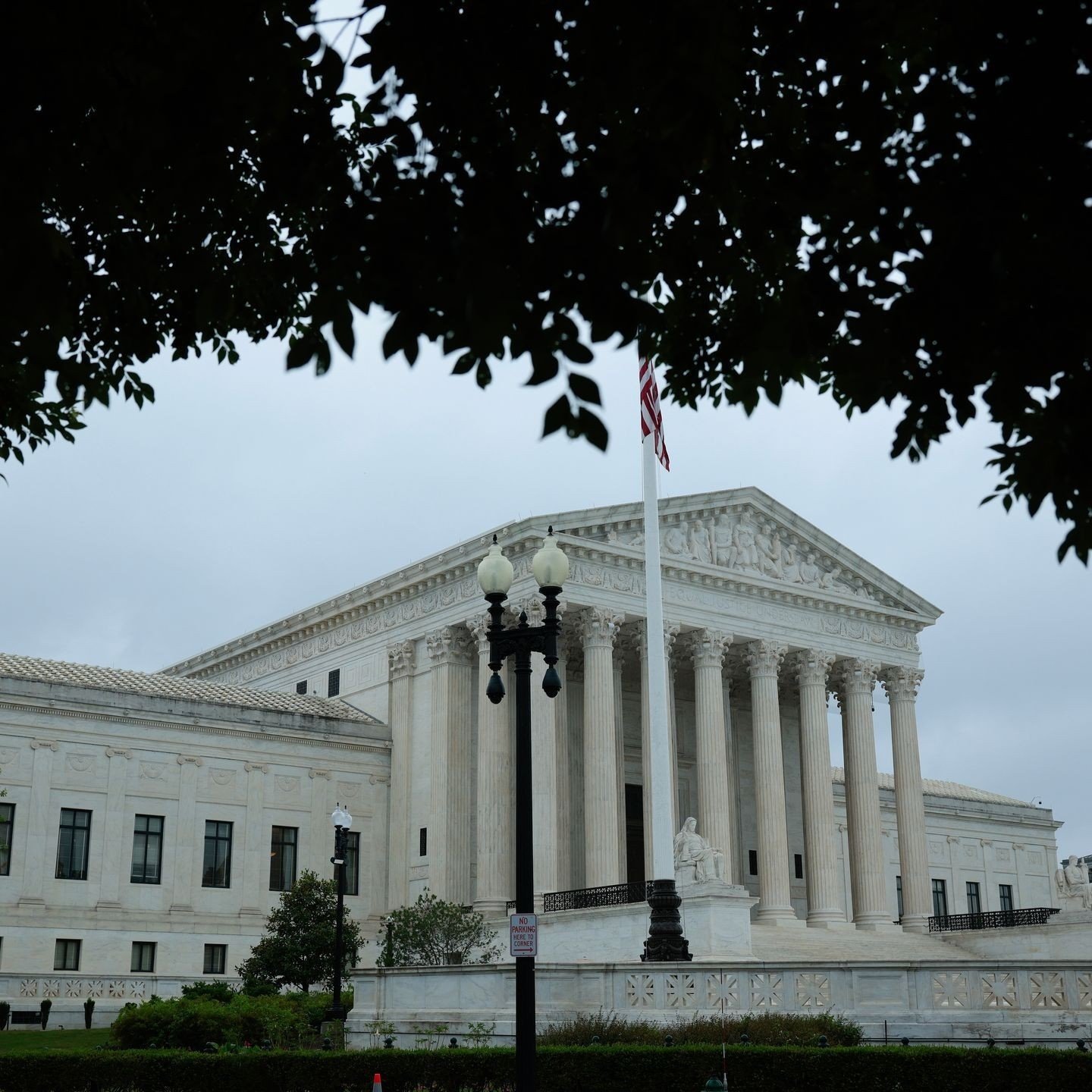
In a landmark ruling on the final day of its term, the US Supreme Court has upheld the constitutional principle of birthright citizenship, voting 6–3 to reject President Donald Trump’s executive order attempting to curb the practice.
The decision firmly blocks the administration’s policy, which sought to deny automatic citizenship to children born on US soil if their parents were in the country without legal status or on temporary visas. Lower courts had previously blocked the order, and the Supreme Court’s ruling establishes a definitive legal halt to the executive action.
Constitutional Interpretation & The Court’s Ruling
The case centered around the interpretation of the Citizenship Clause of the 14th Amendment. Writing for the majority, Chief Justice John Roberts reaffirmed the historic, broad application of the amendment.
“Children born in the United States to parents unlawfully or temporarily present are ‘subject to the jurisdiction’ of the United States and are citizens at birth under the Fourteenth Amendment’s Citizenship Clause. Citizenship, then and now, was the right to have rights, to freely participate in our political community… We keep that promise today.” — Chief Justice John Roberts, Majority Opinion
The Trump administration had argued that the phrase “subject to the jurisdiction thereof” should exclude the children of non-citizens, a reading the majority rejected. The 14th Amendment, originally ratified to guarantee citizenship to formerly enslaved Black people, remains the legal bedrock for territorial birthright citizenship (jus soli) in the United States.
Key Takeaways and Political Reaction
-
A Blow to Day-One Agenda: The executive order was signed on the first day of Trump’s second term as part of a sweeping immigration crackdown. This decision marks the first major final judicial defeat for his administration’s second-term immigration agenda.
-
The Legislative Pivot: Minutes before the ruling dropped, President Trump posted an article on Truth Social indicating that his administration’s goals could proceed with or without the court. Congressional Republicans are already pointing to pending legislative alternatives.
-
Congressional Pushback: Hardline lawmakers, including Representative Brian Babin (R-TX), argued that citizenship is being exploited and signaled that the legislative branch may attempt to redefine the parameters of the immigration system through new bills.
The ruling preserves a century-old legal consensus, ensuring that nearly all individuals born within the physical boundaries of the United States continue to receive automatic American citizenship.
