

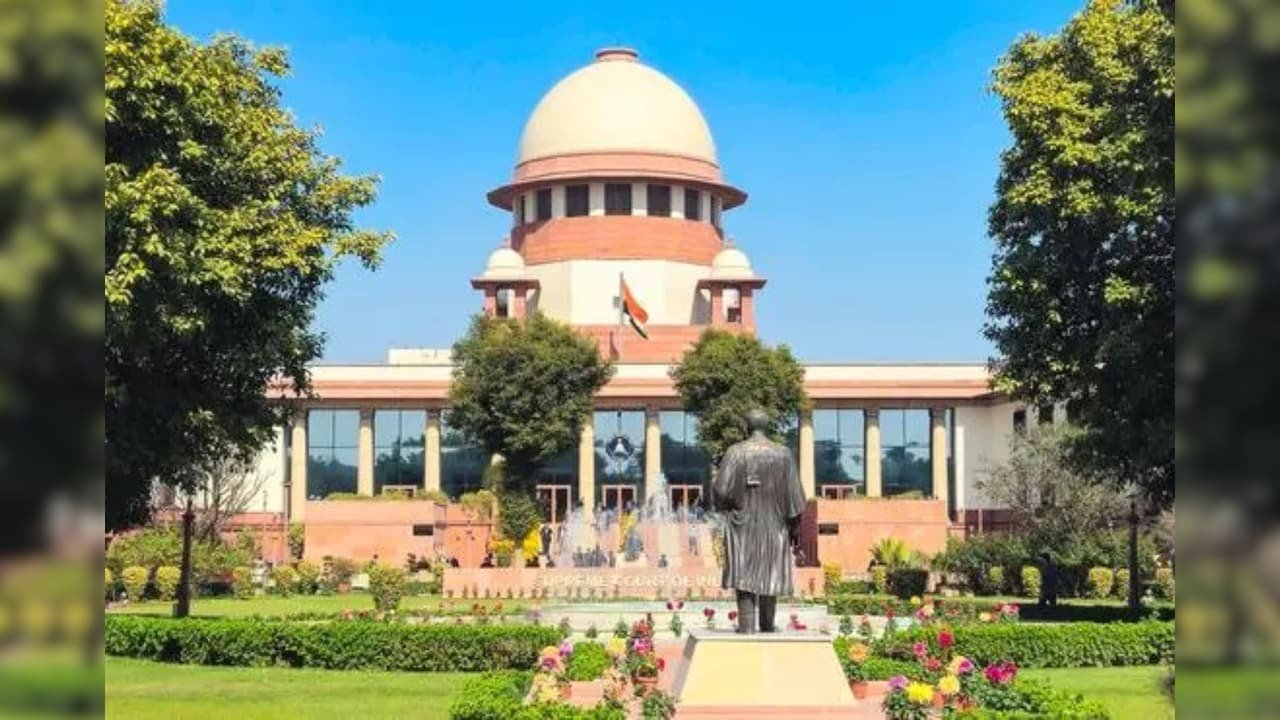
The Supreme Court of India pulled up the Central Adoption Resource Authority (CARA) for its rigid stand and “bureaucratic red tapism” that routinely delays child adoption procedures, particularly in inter-country relative adoptions.
A vacation bench comprising Justice B.V. Nagarathna and Justice Joymalya Bagchi was hearing an urgent writ petition filed on behalf of a minor girl and her US-based maternal aunt and uncle. The relatives had approached the apex court after CARA rejected their application to process the child’s inter-country relative adoption.
Key Takeaways from the Court Hearing
-
The Stand-off Over HAMA: The minor child was legally adopted by her late mother’s sister (maternal aunt) and her husband under a registered adoption deed via the Hindu Adoptions and Maintenance Act (HAMA), 1956, following the mother’s death in July 2024. However, a restrictive clarification by CARA effectively stopped the processing of the paperwork required for the child to emigrate to the US.
-
A “Very Negative Attitude”: Expressing deep frustration with the authority’s stance, Justice Nagarathna questioned CARA’s counsel sharply: “What is your problem with such an adoption? A family member is trying to adopt the child and you are stopping them. Very negative attitude. This is not acceptable.”
-
Urgent Deadlines Looming: The petitioner’s counsel, Advocate Noor Shergill, urged the court to intervene immediately, stating that the formal permission granted by the United States government for the child’s adoption is set to expire on July 20, 2026.
-
Firm Pushback on Postponement: When CARA’s counsel attempted to defer the matter until after the ongoing summer break and requested that the Additional Solicitor General (ASG) argue the case, the bench refused to tolerate further delays. Justice Nagarathna remarked: “This is not some olden days that you will say the ASG will address. So what? We are not afraid of any ASG.”
Pattern of Systemic Obstacles Highlighted
The bench made it clear that this was not an isolated incident of procedural delays within the statutory body under the Ministry of Women & Child Development. Justice Nagarathna recalled a separate, similar legal bottleneck dealt with by the court previously:
“This is not the first time you are creating such issues. Last time also, we had to call your officer and ensure compliance in a matter involving a similar UK issue [where the deceased mother’s sister wanted to adopt twins].”
Immediate Interim Relief and Next Steps
To protect the minor’s interests and ensure that the impending US regulatory deadline is not missed due to deliberate procedural inertia, the Supreme Court issued a set of binding directives:
-
Immediate Process Resumption: CARA must immediately execute all requisite administrative steps to process the application, without prejudice to its ultimate legal arguments in the pending writ petition.
-
Strict Filing Timeline: CARA is required to file its formal counter-affidavit within the stipulated schedule. The case has been formally listed for its next hearing on July 13, 2026.
-
Warning of Ex-Parte Decision: The bench cautioned that if the government authority fails to present its reply on time, the court will proceed to decide the case on its merits without their counter-affidavit, emphasizing that institutional delays cannot be allowed to make the family’s application permanently ineffective.
