

In a sharply worded diplomatic rebuke, India has labeled Pakistan a “Frankenstein state,” accusing Islamabad of operating a system that breeds global terrorism only to act surprised when the consequences blow back on its own citizens.
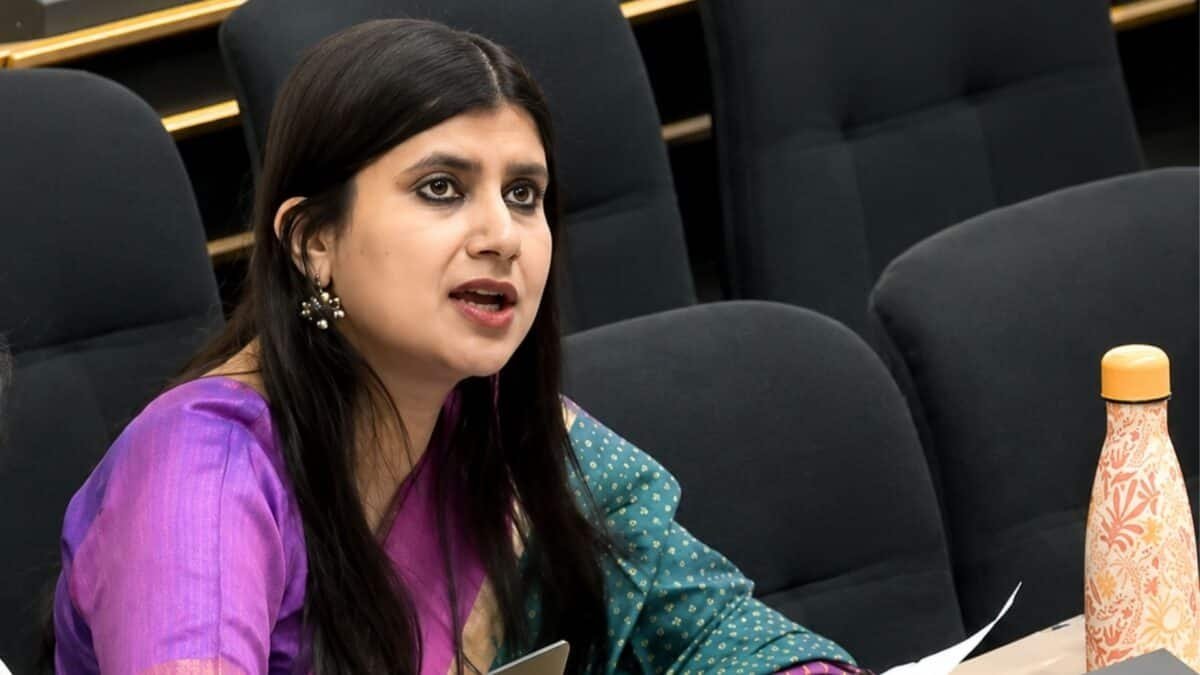
Exercising India’s right of reply during an Interactive Dialogue on the UN High Commissioner’s annual report, Anupama Singh—First Secretary at India’s Permanent Mission to the United Nations—dismantled Islamabad’s attempts to raise the Jammu and Kashmir issue on the global stage.
Defending Sovereignty and Calling Out “Propaganda”
Responding to remarks made by the Pakistani representative, Singh reasserted New Delhi’s unyielding stance on its territorial integrity while turning the spotlight onto Pakistan-occupied Jammu and Kashmir (PoJK).
-
Inalienable Territory: “For the record, Jammu and Kashmir was, is, and will always remain an integral and inalienable part of India. The only unresolved issue is Pakistan’s illegal occupation of Indian territories and their return,” Singh stated categorically.
-
Crackdown in Rawalakot: The diplomat called out Islamabad’s “propaganda,” highlighting recent violent clashes in Rawalakot that left 11 people dead—including four police officers—and hundreds injured.
-
Systemic Repression: Singh attributed the unrest to decades of “military land grabs, demographic engineering, and the denial of basic freedoms” by Pakistani authorities, noting that even basic public demands for bread and electricity are now being met with “bullets and brutality.”
The Terrorism Paradox
India took direct aim at Pakistan’s narrative of being a casualty of militant violence, pointing out the blatant hypocrisy in its state policies.
The Diplomatic Rebuttal:
“Pakistan calls itself a victim of terrorism. Indeed, a paradox, which only Pakistan could sustain. It is a living example of a Frankenstein state which is shocked when its own monster bites back.”
— Anupama Singh, First Secretary to the UN
Singh emphasized that Pakistan’s sitting defense minister has openly boasted about “hosting, training, and deploying terrorists as state policy,” rendering its claims of victimhood entirely illegitimate.
Strict Stance on the “Outdated” Indus Water Treaty
The address also brought a significant updates regarding the Indus Water Treaty (IWT)—the 1960 World Bank-brokered pact governing the distribution of the Indus River system between the two nations.
India had previously suspended cooperation under the treaty following the devastating Pahalgam terror attack on April 22, 2025, which claimed the lives of 26 civilians. Singh made it clear that India does not view the historical pact as an unconditional privilege for Pakistan.
| India’s Position on the Indus Water Treaty |
| No Goodwill Without Accountability: It defies logic for a state exporting terror to demand cooperation predicated on friendship. |
| Outdated Framework: A technical arrangement brokered in 1960 cannot remain frozen in time while geopolitical realities drastically evolve. |
| No Perpetual Entitlement: The treaty cannot be insulated from accountability or detached from six decades of profound regional changes. |
