

A fresh wave of intense military escalation in southern Lebanon has threatened to derail a newly minted, historic interim peace agreement between the United States and Iran. Fierce overnight fighting and ongoing Israeli airstrikes have prompted Iran to pull out of highly anticipated permanent peace negotiations scheduled to take place in Switzerland on Friday, sending mediators into a scramble to rescue the fragile truce.
Casualties Mount Amid Renewed Hostilities
The conflict has intensified dramatically on the ground, with both sides reporting heavy losses:
-
Lebanese Casualties: Lebanon’s state-run National News Agency reported at least 18 people killed in widespread Israeli airstrikes, which also targeted the eastern Bekaa Valley village of Douris.
-
Israeli Losses: The Israeli military confirmed that four of its soldiers were killed in southern Lebanon, including a lieutenant colonel. An explosive drone attack also wounded five other personnel.
While Hezbollah reported intense clashes along the border, U.S. Ambassador to Israel Mike Huckabee defended the military response on social media, writing, “Israel strikes when struck… Ceasefire happens when Hezbollah stops shooting & killing.”
Switzerland Peace Talks Postponed
The escalation directly disrupted diplomatic tracks in Switzerland, where U.S. Vice President JD Vance was scheduled to lead a delegation to hammer out a permanent end to the war. The discussions were aimed at addressing critical, long-term issues:
-
Comprehensive sanctions relief for Tehran.
-
Nuclear-related compliance and verification measures.
-
Maritime security and regional stability assurances.
While the White House officially cited “logistical issues” for Vance postponing his trip, regional officials confirmed that Iran withdrew from Friday’s meeting specifically due to Israel’s ongoing campaign in Lebanon and Prime Minister Benjamin Netanyahu’s refusal to back down. Regional sources added that neighboring Pakistan was left “stunned” by Iran’s sudden refusal to attend.
Netanyahu Defies the Trump Administration
The core vulnerability of the interim agreement lies in the fact that neither Israel nor Hezbollah are actual parties to the U.S.-Iran deal.
The pact explicitly calls for an immediate halt to military operations “on all fronts, including in Lebanon” to preserve territorial integrity. While Iran insists a deal requires total Israeli withdrawal from occupied Lebanese territory, Netanyahu—who faces a high-stakes domestic election later this year—has adamantly refused to budge.
“Israeli forces will remain in a ‘security zone’ of southern Lebanon as long as Israel’s security needs require it,” Netanyahu stated on Thursday.
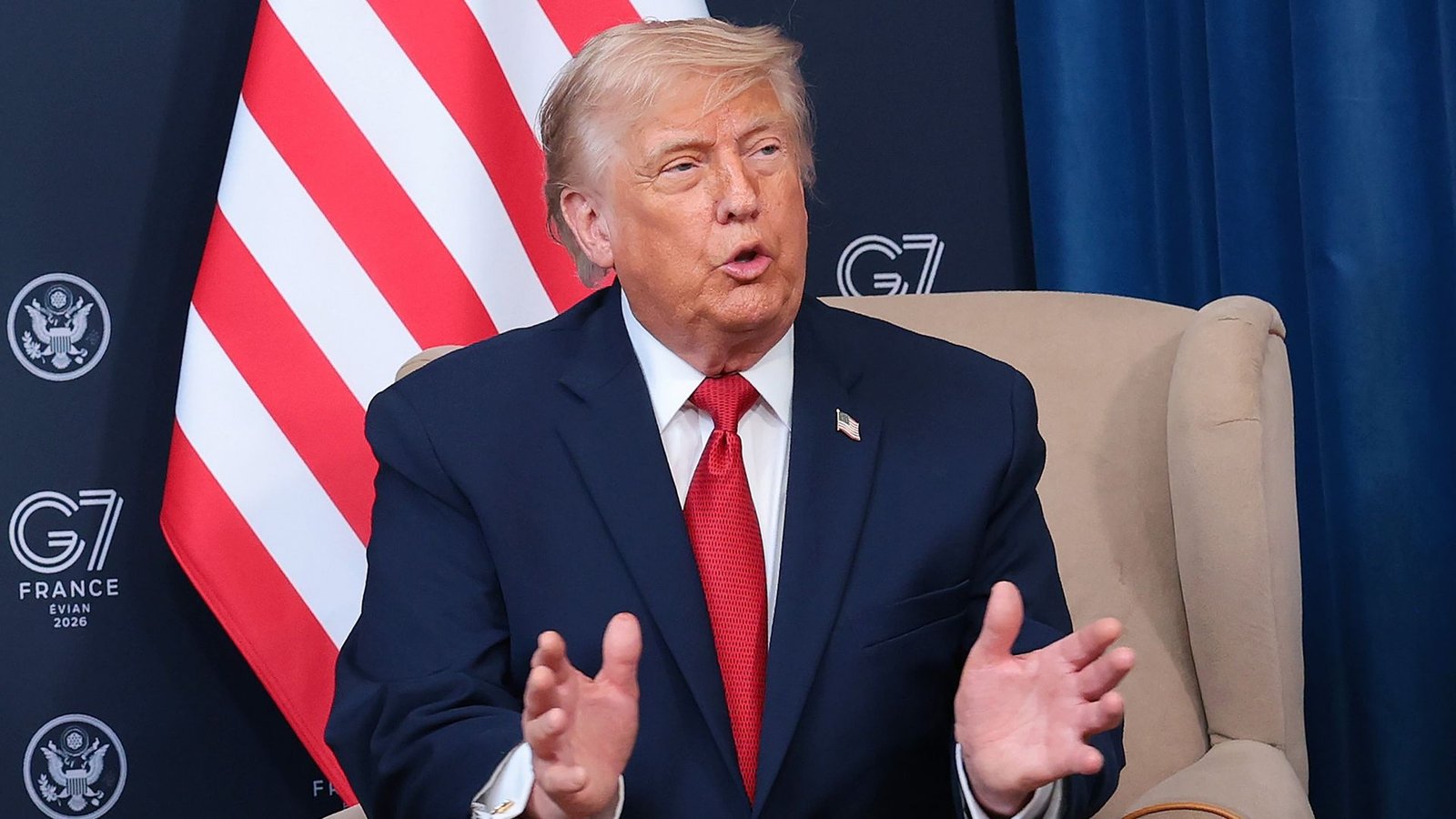
This stance has infuriated U.S. President Donald Trump, who signed the agreement primarily to avert a domestic “economic catastrophe” fueled by skyrocketing oil prices and inflation. Trump publicly rebuked the Israeli Prime Minister, stating, “Without the U.S. there would be no Israel… Now Bibi has to be more responsible with respect to Lebanon.” Vice President Vance added a blunt warning, noting that Trump is currently Israel’s only major sympathetic ally on the world stage.
High Stakes: The Strait of Hormuz and Global Markets
Despite the diplomatic standstill, the economic benefits of the initial 60-day ceasefire extension are already visible. Following the signing, the U.S. lifted its naval blockade, allowing more than 12.5 million barrels of oil to flow freely through the critical Strait of Hormuz on Wednesday night, effectively breaking Iran’s months-long stranglehold on global energy shipping.
However, domestic pushback remains fierce. In Washington, congressional Republicans are criticizing Trump for giving up too much leverage, citing sanctions relief and a rumored $300 billion rebuilding fund for Iran.
Conversely, in Tehran, Supreme Leader Ayatollah Mojtaba Khamenei gave a rare endorsement of face-to-face negotiations with the U.S., a massive departure from long-standing hardline Iranian policy. Whether this diplomatic window stays open, however, depends entirely on whether mediators can convince Israel and Hezbollah to stop firing.
