

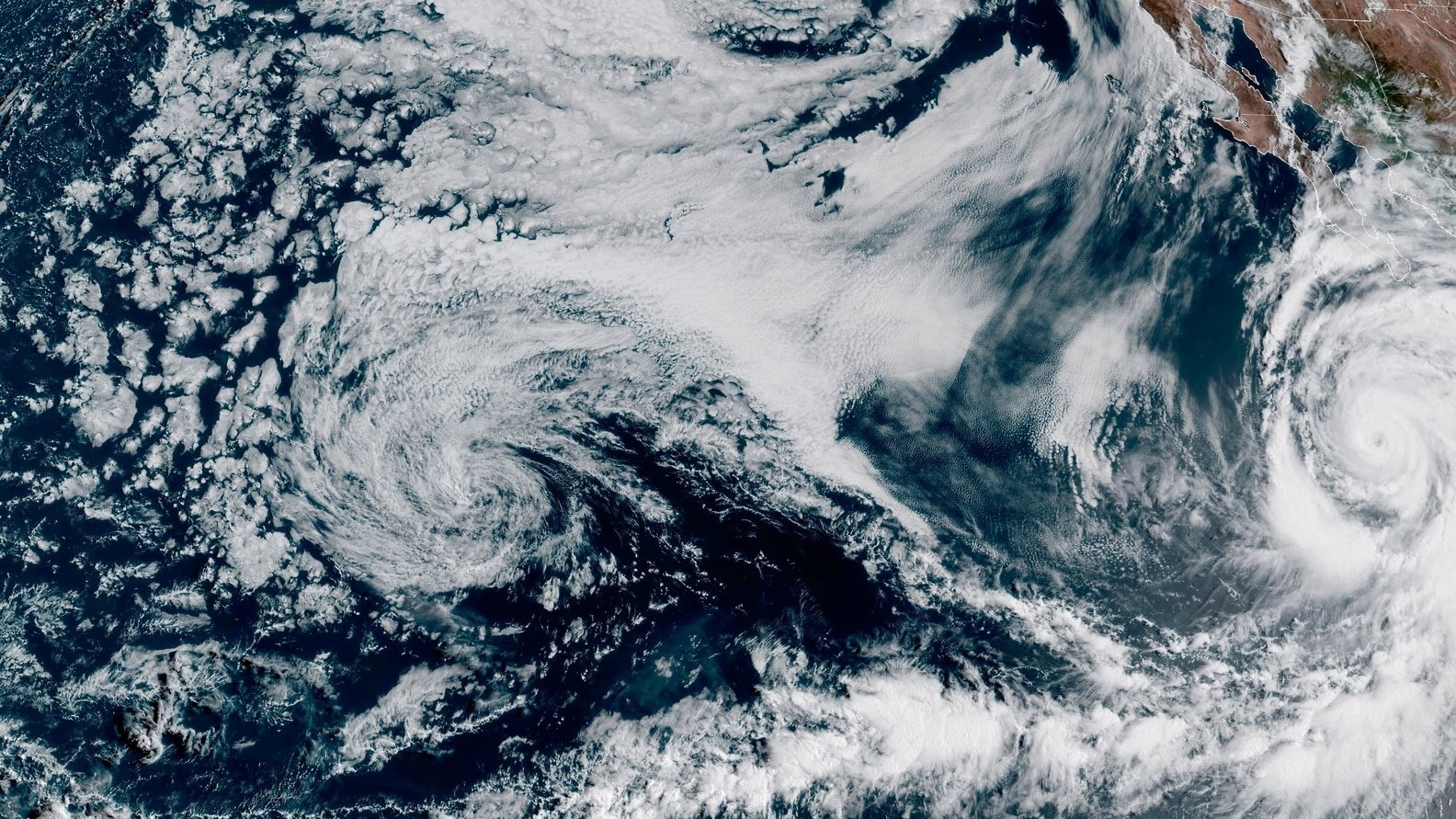
Climate scientists and meteorological agencies worldwide are sounding the alarm over a potentially historic “Super El Niño” event. Emerging data suggests that extreme tropical Pacific warming could disrupt global weather patterns starting later this year and persisting well into 2027, severely impacting agriculture, water security, and disaster management.
Projections from the North American Multi-Model Ensemble (NMME) indicate that sea surface temperature anomalies in the central and eastern equatorial Pacific could exceed 2°C above average during the November–January 2027 window. Some isolated model runs even hint at localized warming spikes exceeding 5°C.
Understanding the Thresholds
Meteorologists classify the strength of an El Niño event based on temperature deviations in the critical Niño 3.4 region of the Pacific Ocean:
| El Niño Classification | Sea Surface Temperature Anomaly |
| Strong Event | $1.5^\circ\text{C}$ to $1.9^\circ\text{C}$ above average |
| Very Strong (“Super”) Event | Exceeds $2.0^\circ\text{C}$ above average |
According to Skymet Weather, key sectors of the Pacific are already hovering around the $1.5^\circ\text{C}$ threshold, signaling that a powerful warming cycle is actively consolidating.
Experts Urge Caution and Preparedness
While the converging climate models present a strong warning signal, scientists emphasize that long-range forecasting carries inherent uncertainties.
“The NMME forecasts are a useful early signal, but they are not definitive. Predictability declines significantly beyond a few months because of internal climate variability. However, the signal warrants immediate preparedness in sectors such as agriculture, water resources, fisheries, and disaster management.”
— Prof. Anjal Prakash, IPCC Author & Public Policy Professor, FLAME University
Earth System Scientist Raghu Murtugudde notes that the true danger lies in El Niño’s residual effects. Similar to the 2023–2024 cycle, the ocean acts as a battery, releasing trapped heat into the atmosphere long after the event itself begins to decay. Consequently, global temperatures are expected to remain dangerously elevated into mid-2027.
The Compounding Threat of Climate Change
A primary concern among meteorologists is how this natural phenomenon will interact with human-induced global warming. Dr. Roxy Mathew Koll of the Indian Institute of Tropical Meteorology warns that because the modern climate system operates on a much hotter baseline than in past decades, this El Niño is highly likely to trigger unprecedented extreme rainfall, marine heatwaves, severe coral bleaching, and prolonged heat stress.
Historically, strong El Niño episodes correlate with:
-
Severe droughts and wildfires in Australia and Southeast Asia.
-
Torrential, destructive rainfall along the western coast of South America.
-
Disruptions to the Indian Monsoon, often leading to dry spells and heatwaves.
The Outlook for India
Though India’s current June rainfall is roughly 8% below normal, scientists urge the public not to panic. June accounts for only 10% to 15% of total seasonal rainfall, leaving ample room for recovery during the core monsoon months of July and August.
The critical challenge, experts note, will not be the total volume of water collected, but rather the erratic distribution of rainfall. If the monsoon rain arrives in highly concentrated, extreme downpours interspersed with long dry spells during crucial crop sowing windows, it could trigger severe agricultural distress regardless of the final seasonal average.
