

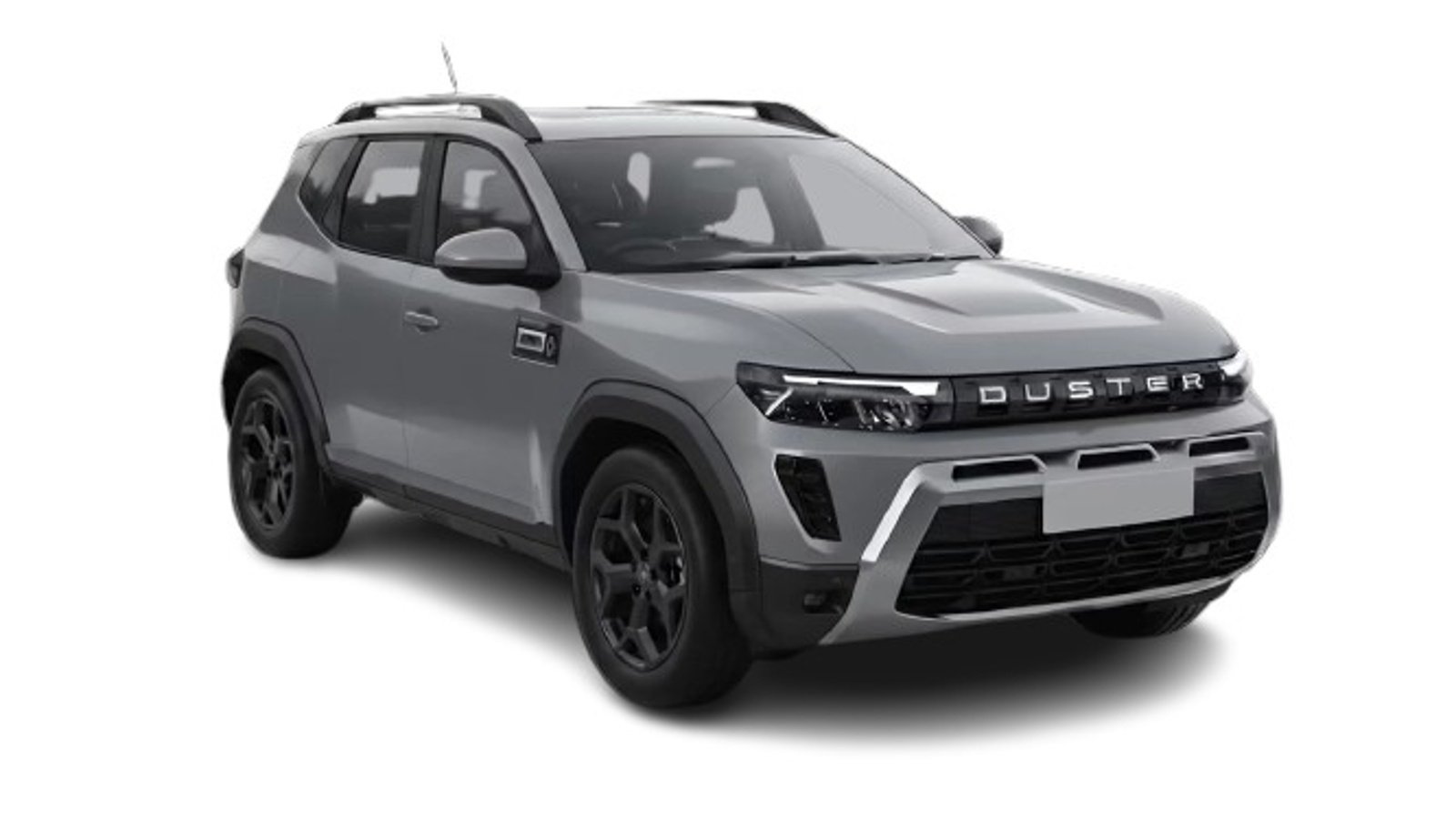
The Renault Duster has long enjoyed a reputation as one of the most driver-focused SUVs in its segment. The 1.0 TCe 100 variant firmly carries that legacy forward. By intentionally focusing less on flashy, superficial features and prioritizing pure mechanical driving dynamics, Renault is targeting enthusiasts who still value how an SUV actually handles the road.
Design and Cabin Experience
Visually, the 2026 Duster avoids passing design trends, opting instead for a butch, purposeful look that appears tough from every angle.
While the cabin is spacious and offers excellent passenger room, it is worth noting that this entry-to-mid TCe 100 variant makes several compromises to keep costs down.
What’s Missing: Because it targets a lower price tier, this trim misses out on premium touches like leatherette seats, a 360-degree parking camera, and high-end tech found on the more expensive models.
Engine Performance: Linear and Surprising
The heart of this Duster is a pint-sized 1.0-litre three-cylinder turbo-petrol engine pushing out 100 Hp and 166 Nm of torque. Despite its small displacement on paper, the engine delivers a surprisingly pleasant real-world experience:
-
Linear Power: Power delivery is predictable, easily masking its small capacity in both city commutes and highway overtaking.
-
Refinement: For a three-cylinder unit, Noise, Vibration, and Harshness (NVH) levels are remarkably well-controlled.
-
The Power Flat Spot: There is a noticeable flat spot around 3,500 rpm, but the vehicle rarely feels underpowered.
-
Drive Modes: Drivers can select between Eco and Normal modes. Normal is highly recommended, as Eco mode introduces noticeable turbo lag.
Ride, Handling, and Chinks in the Armor
Excellent ride quality remains the Duster’s definitive superpower. Riding on 17-inch wheels, the suspension setup features ample tire sidewall to absorb deep potholes and broken Indian roads with absolute ease.
However, the driving experience isn’t entirely perfect:
-
Notchy Gearbox: The manual transmission lacks smooth, short throws. The shifts feel distinctly notchy, and a slight tug can be felt on the gear lever during sudden throttle inputs.
-
Braking Confidence: Unlike the high-spec 1.3-litre turbo trims, this 1.0L variant lacks rear disc brakes, resulting in slightly diminished stopping confidence.
-
No Automatic Option: The single biggest drawback for city buyers is the absolute absence of an automatic gearbox configuration with this engine.
Fuel Efficiency & Final Verdict
During mixed real-world driving conditions, the 1.0 TCe 100 returns a healthy 11–13 kmpl. Efficiency scales up on long highway cruises thanks to its tall 5th and 6th overdrive gear ratios. At 80 kmph, the needle sits calmly at 2,000 rpm, and it creeps up to just 2,500 rpm when maintaining a 100 kmph cruise.
The Takeaway
If you favor old-school ride comfort, predictable engine punch, and mechanical driving feedback over a long list of fancy cabin gadgets, the Duster 1.0 TCe 100 stands strong as a true driver’s SUV. However, if you are looking for an even more engaging experience or an automatic option, you should skip this trim and look directly at the larger 1.3L turbo motor variant.
