

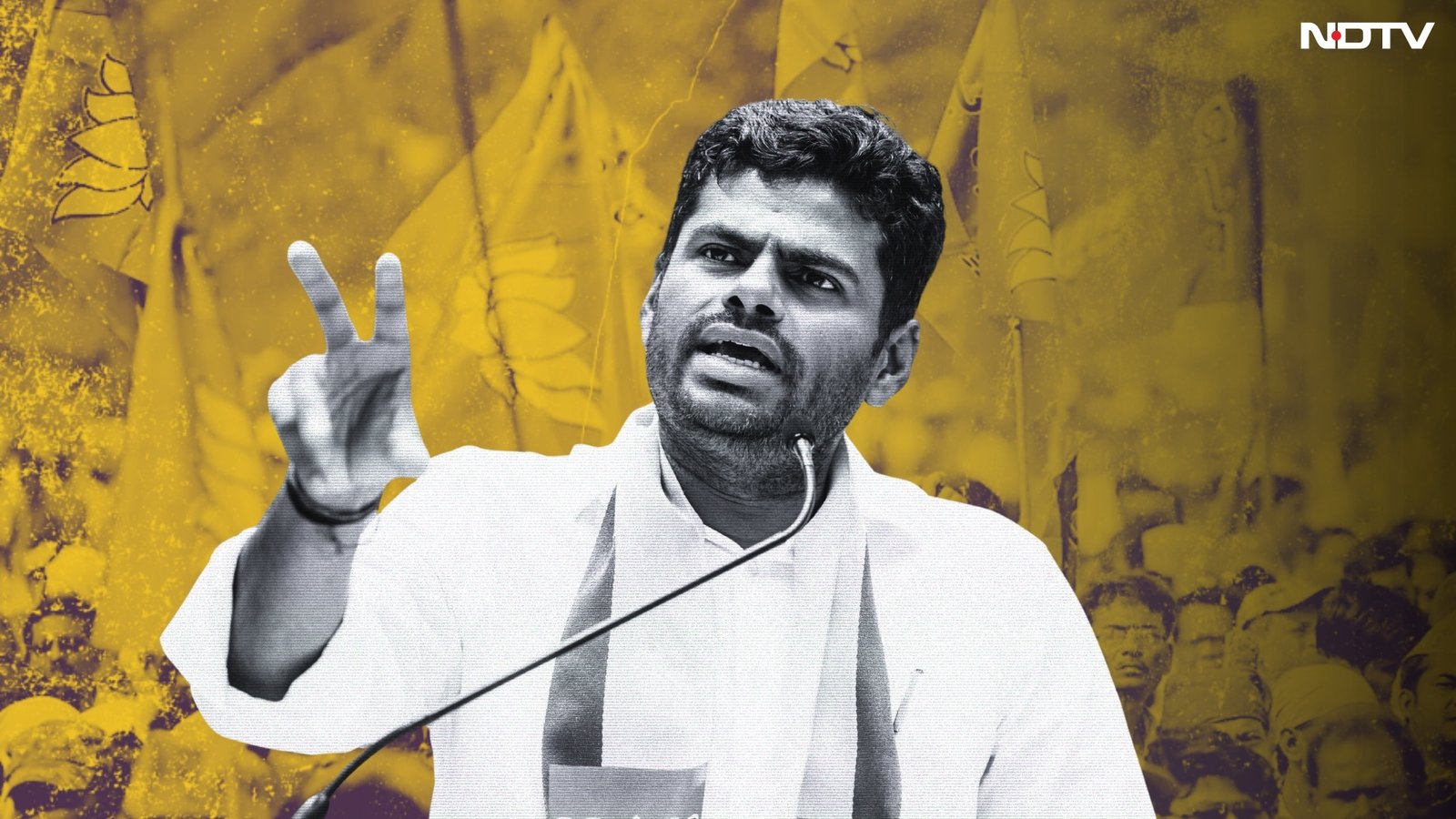
K. Annamalai’s departure from the Bharatiya Janata Party (BJP) marks a major turning point in Tamil Nadu’s political landscape. This development highlights the deep tension between regional aspirations and national electoral strategies. While Annamalai focused on building an aggressive, independent identity for the state BJP, the central leadership ultimately chose to prioritize traditional alliance math to secure immediate electoral gains.
The Strategy Friction: Independent Growth vs. Alliance Math
The core disagreement between Annamalai and the central BJP leadership stemmed from a fundamental difference in how to build a political base in Tamil Nadu. Annamalai pushed for a long-term strategy of independent growth, while the high command favored the immediate gains of a structured alliance.
Key Drivers of the Separation
Several key factors contributed to the widening rift over the past 18 months, leading to the official resignation:
-
The AIADMK Alliance Prerequisite: Following the revival of the alliance between the BJP and the AIADMK, the political landscape shifted quickly. Reports indicate that AIADMK chief Edappadi K. Palaniswami made leadership changes a core condition for the alliance, directly leading to Annamalai’s removal as state president.
-
The “Language Barrier” in Regional Politics: In his resignation letter, Annamalai pointed to a fundamental disconnect, noting that “national parties never spoke the language that people in Tamil Nadu understood.” His push to position the party as a culturally rooted, distinctly Tamil option frequently ran into strategic roadblocks from the central organization.
-
Transition to a Independent Footing: Rather than moving to another established regional player, Annamalai plans to use his non-profit initiative, “We The Leaders”, as a foundation. This movement aims to identify and mentor young leaders across the state, serving as a potential launchpad for a new regional political party.
Comparative Stances on the Resignation
The varied reactions within the National Democratic Alliance (NDA) highlight different views on his exit and future political impact:
| Political Entity / Leader | Public Stance | Underlying Strategic Motivation |
| Nainar Nagendran (TN BJP Chief) | Declared the exit “no loss” for the party, emphasizing the BJP’s global scale. | Aims to maintain cadre morale and project structural stability ahead of upcoming campaigns. |
| PVN Madhav (Andhra BJP Chief) | Called it a “small setback” and expressed hope for his eventual return. | Recognizes Annamalai’s personal popularity and his success in boosting the party’s visibility in the South. |
| AIADMK Leadership | Kept a strategic silence while focusing on setting alliance terms. | Secures their position as the clear senior partner in the regional opposition alliance. |
| K. Annamalai | Stated that viewpoints no longer aligned, choosing to “sail where the winds take me.” | Frees himself from central party constraints to build a distinct, youth-focused regional identity. |
Political Outlook: Annamalai’s exit leaves the Tamil Nadu BJP back in its familiar position as a junior partner to a major Dravidian party. While this shift secures a structured alliance framework for the national leadership, it pauses the aggressive, independent growth strategy that had briefly made the BJP a highly visible topic of discussion in Tamil Nadu’s bilateral political narrative.
