

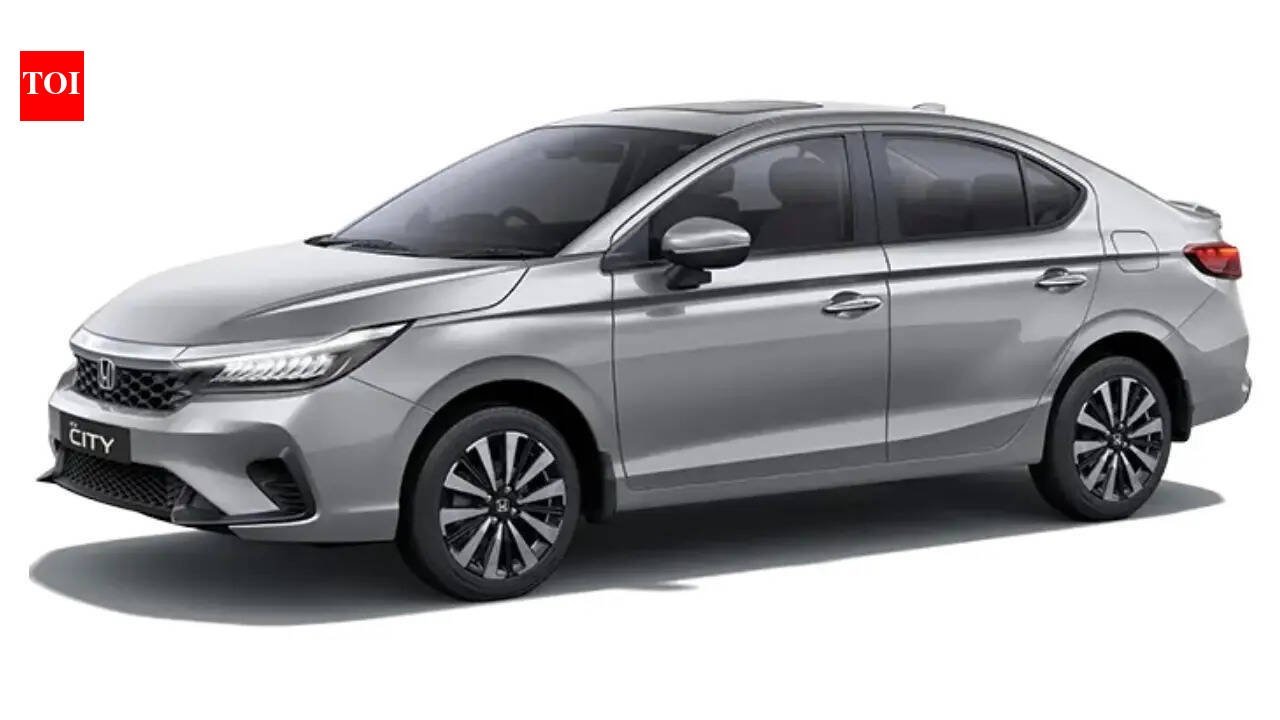
In a global automotive landscape completely dominated by high-riding compact SUVs, launching a mid-life update for a traditional executive sedan takes confidence. But the Honda City is not just any sedan—it is a 20-year-old institution in the Indian market.
The 2026 facelift does not attempt to dramatically reinvent the formula. Instead, Honda has chosen a path of mature refinement: adding sharper tech, minor exterior updates, and refreshing the cabin to remind buyers exactly why a low-slung, premium sedan can still beat an SUV on pure comfort.
Design & Cabin Upgrades
Visually, the 2026 model retains the clean, balanced silhouette that traditionalists love. The changes are subtle but effective, concentrated primarily at the front and rear to add modern visual width.
Exterior Highlights
-
The Connected Grille: Up front, you will notice a newly integrated horizontal LED light bar running smoothly across the top of the grille, giving the car a contemporary nighttime signature.
-
Sharper Lighting: The signature complex LED headlamps look crisp, paired with a newly sculpted bumper.
-
Rear Sophistication: At the back, subtle Z-shaped graphic elements inside the LED tail lamps and a mildly tweaked rear bumper polish the sedan’s look without turning it flashy.
Interior & Technology
Inside, the spacious, airy cabin remains highly functional but steps up its tech game. The standout addition is a larger, floating central touchscreen infotainment system running updated software.
The system is highly responsive, though its upright angle can occasionally catch glare in harsh sunlight. Honda has also introduced high-demand features like ventilated front seats, USB-C fast-charging ports, and a 360-degree camera system to aid navigating tight urban parking spaces.
The Rear Seat Benchmark: Rear-seat comfort remains the City’s absolute trump card. Legroom is exceptional, under-thigh support is perfectly calculated, and the overall cushioning makes it an effortless mile-muncher. However, it is disappointing to note that the rear headrests remain completely fixed, and the front seats still lack power adjustment.
Performance & Ride Quality
The driving character of the 2026 City is defined by ease and buttery smoothness rather than aggressive, neck-snapping performance. Buyers can still choose between the highly reliable, conventional i-VTEC petrol engine or the ultra-frugal strong hybrid e:HEV powertrain.
The power delivery across both variants is beautifully linear. Whether you are crawling through stop-and-go morning traffic or settling down for a long highway cruise, the powertrain remains exceptionally quiet and vibration-free.
The suspension tuning strikes an excellent balance for Indian roads: it rounds off sharp potholes and uneven expansion joints with reassurance while keeping the chassis flat and settled at higher triple-digit speeds. The steering feels completely predictable, and the braking performance inspires instant confidence.
Variant & Pricing Structure
Honda has kept the entry barriers identical for the conventional model, though tech updates have bumped the premium end of the strong hybrid system.
| Powertrain Type | Starting Price (Ex-Showroom) | Top-End Price (Ex-Showroom) | Notable Structural Changes |
| Standard Petrol | ₹12 Lakh | ~₹16.5 Lakh | Pricing held flat; gets ventilated seats & 360 camera on top trims. |
| Strong Hybrid (e:HEV) | ~₹19 Lakh | ~₹21 Lakh | Price raised by roughly ₹1 Lakh; includes full ADAS safety suite. |
The Verdict
The 2026 Honda City is a quiet, confident statement against SUV fatigue. It does not try to turn heads with eccentric styling or gimmicky features. Instead, it relies on a proven foundation of mechanical refinement, stellar ride comfort, and bulletproof reliability.
If you want a vehicle that prioritizes effortless daily driving, top-tier rear-seat luxury, and premium executive status without following the crowd into a high-riding crossover, the City remains incredibly easy to recommend.
