

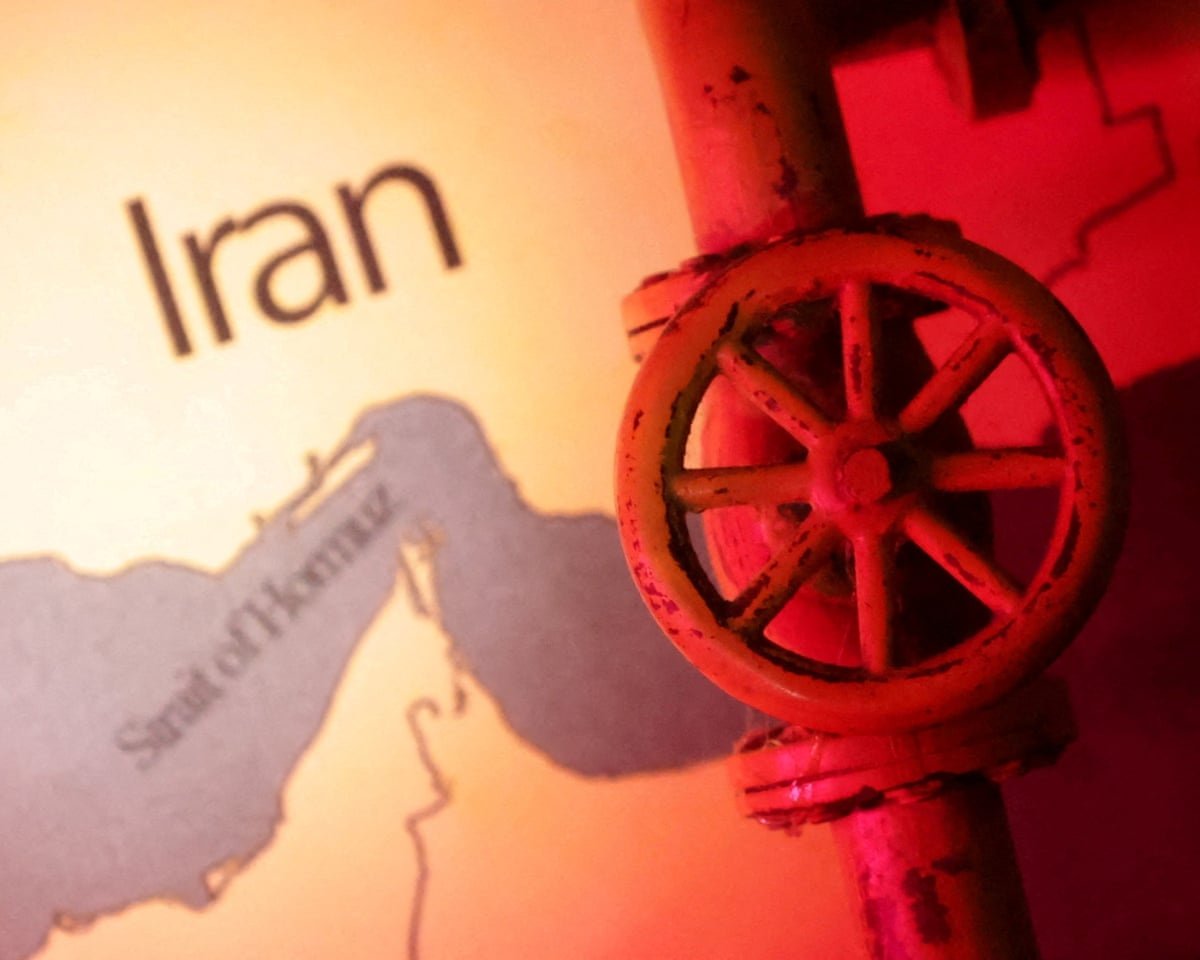
The prolonged closure of the Strait of Hormuz amid the fallout of the Iran war has pushed global energy markets to the brink of catastrophe. A staggering 14 million barrels of oil per day—representing 20 percent of global seaborne energy traffic—have been completely wiped from the market.
International Energy Agency (IEA) Executive Director Fatih Birol issued a stark warning this week, stating that the world is on track to plummet into a critical “Red Zone” by July as emergency reserves face total exhaustion.
What is the “Red Zone”?
The IEA’s “Red Zone” classification does not simply refer to high oil prices; rather, it describes a critical threshold where global supply can no longer absorb demand shocks.
To stabilize volatile markets, the IEA and its 32 member states orchestrated a historic, record-shattering release of 400 million barrels of crude in March—dwarfing the 182.7 million barrels tapped during the 2022 Russia-Ukraine war. However, the relentless daily supply deficit has nearly emptied these strategic stockpiles.
If the threshold is breached, the primary casualties will be poorer nations in Africa and Southeast Asia, which are highly vulnerable to acute fuel shortages and secondary spikes in global food prices.
Global Market Reaction and the Domestic Impact on India
The supply squeeze has sent shockwaves through international benchmarks. Brent crude is currently trading at a bruising $104 to $105 a barrel, a sharp escalation from the $72 baseline recorded just a week before the outbreak of the war.
The crisis is forcing governments to implement drastic domestic interventions:
-
Aviation Turbine Fuel (ATF) Crisis: Airlines are reeling from extreme cost shocks. In India, jet fuel prices soared by 25 percent on April 1, with a secondary 5 percent international hike on May 1, pushing Delhi rates to $1,511.86 per kilolitre.
-
Emergency Tax Cuts: To protect carriers and consumers, the governments of Delhi and Mumbai slashed the value-added tax (VAT) on aviation fuel down to a uniform 7 percent (from 25 percent and 18 percent respectively) for a fixed six-month window.
-
Retail Fuel Hikes: Commuters are feeling immediate pain at the pumps. Following an abrupt ₹3 per litre pan-India hike, localized price adjustments pushed petrol to ₹98.64 per litre in Delhi and ₹107.59 per litre in Mumbai.
Geopolitical Deadlock: The Swing Factor
Whether the world slips into a full-scale industrial collapse by July depends entirely on the fragile diplomatic landscape. An April 8 ceasefire continues to hold by a thread, though peace negotiations between Washington and Tehran are thoroughly gridlocked:
| United States Core Demands | Iran Core Demands |
| Immediate surrender of enriched uranium stockpiles | Comprehensive rollout of billions in war reparations |
| Permanent dismantling of its entire nuclear program | Immediate lifting of all western sanctions on Iranian oil exports |
While US President Donald Trump has temporarily withheld a planned secondary wave of air strikes to give diplomacy a window, any resumption of hostilities targeting Middle Eastern energy infrastructure will likely send Brent crude soaring past $120 a barrel. Energy analysts warn that even if the Strait of Hormuz were cleared tomorrow, insurance premiums, maritime shipping bottlenecks, and refining backlogs would keep energy costs artificially inflated for months.
