

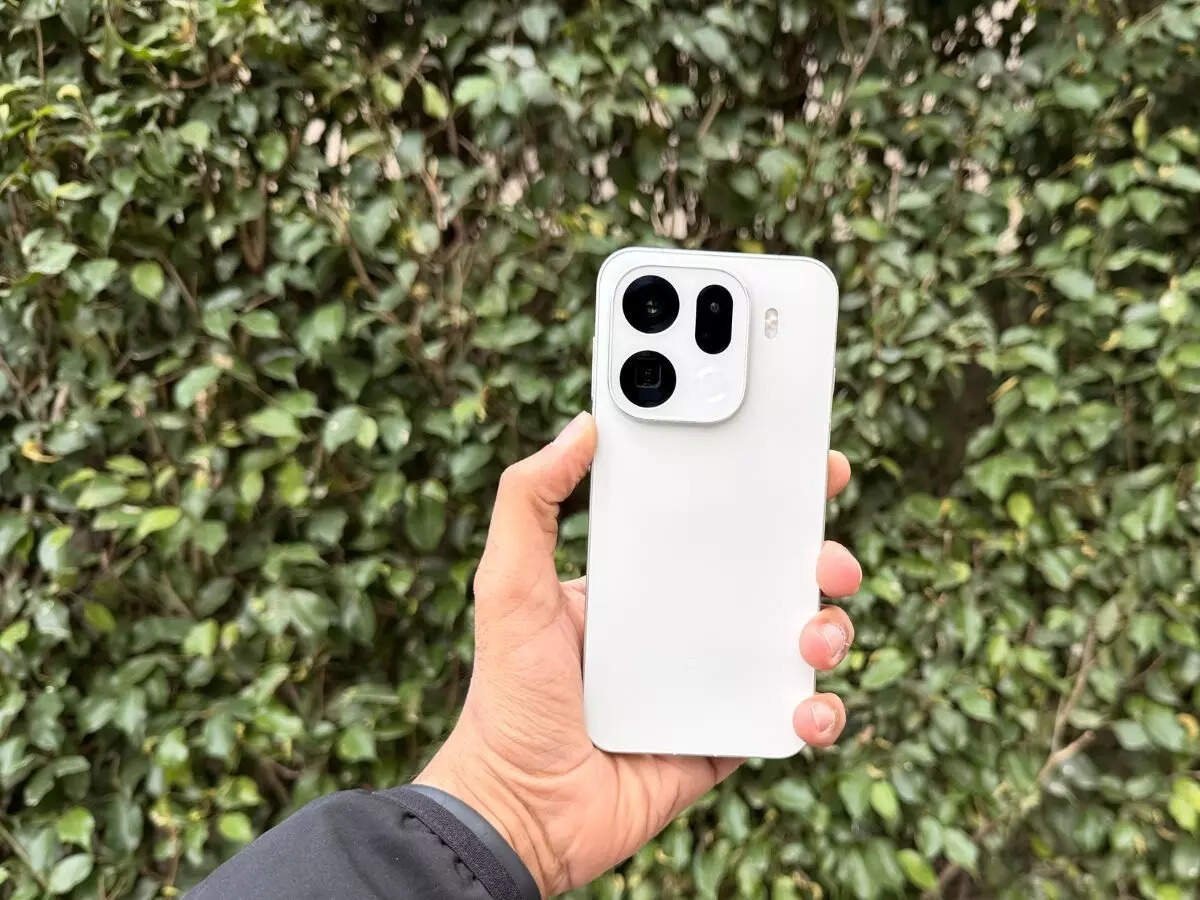
The superphone arena in India is finally complete. Joining the likes of the Samsung Galaxy S26 Ultra, Xiaomi 17 Ultra, and Vivo X300 Ultra, the Oppo Find X9 Ultra arrives as an absolute juggernaut.
Priced at ₹1,69,999 (with retail launch offers bringing it down to a more competitive ₹1,36,999), this is not just a smartphone with a great camera—it is essentially an elite camera system with a top-tier flagship bolted onto the back.
The Indian “Ultra” Landscape (2026)
| Device | Starting Price | Key Philosophy |
| Oppo Find X9 Ultra | ₹1,69,999 (₹1,36,999 with offers) | Massive camera hardware stack paired with true 10x optical zoom and pure Hasselblad tuning. |
| Samsung Galaxy S26 Ultra | ₹1,30,999 onwards | Algorithm and AI-centric photography without a traditional camera brand partnership. |
| Xiaomi 17 Ultra | ₹1,39,999 | Deepest hardware integration via its 1-inch main sensor and signature Leica color tonality. |
| Vivo X300 Ultra | ₹1,59,999 to ₹2,09,999 | Excellent optical sensors co-engineered with Zeiss, featuring optional physical lens accessories. |
The Camera Stack: True 10x Zoom Returns
The real reason to buy the Find X9 Ultra is its quad-camera array, backed by a 3.2-megapixel multispectral pixel sensor for highly accurate color science.
-
The Main Sensor: A massive 200-megapixel Hasselblad ultra-sensing camera. It is the largest 200MP sensor ever put in a phone (1/1.2-inch), though Xiaomi’s 1-inch sensor still holds a raw footprint advantage. It creates an exquisite, natural background blur without needing software trickery.
-
The Crown Jewel (10x Optical Telephoto): While other brands have moved away from ultra-long physical focal lengths, Oppo brings back a native 50-megapixel 10x optical zoom lens. It utilizes a much larger sensor (1/2.75-inch) than old 10x implementations, delivering razor-sharp, pure optical images without relying on messy digital interpolation or over-aggressive AI.
-
The Rest of the Quartet: A 50-megapixel ultra-wide camera and a secondary 200-megapixel 3x ultra-sensing telephoto lens fill out the midrange compression distances beautifully.
Photography Nuances & Processing
-
Hasselblad Master Mode: The phone’s best feature. It strips away all aggressive AI processing and sharpening, forcing the premium optics to do the heavy lifting. The result is a beautifully realistic photo, though it requires some manual photography comfort.
-
The Quirk: In default shooting modes, Oppo’s image processing can occasionally over-brighten photos. While it isn’t blowing out highlights at the sensor level, the software tuning can sometimes make images look overly excitable, losing a bit of natural contrast. Additionally, push past the 20x lossless magnification, and Oppo’s text-reconstruction AI can look overly artificial.
Design, Build, and Ergonomics
-
Premium Bulk: Weighing in at 235 grams and measuring 9.1mm thick, this is a substantial device. It feels a bit heavier than its numbers suggest, largely due to its “Armour Shield” structural architecture.
-
Visual Flair: The Tundra Umber version features premium vegan leather layers. It is accented by an orange physical camera key on the spine and a subtle orange ring around the massive circular camera island. Oddly, while the camera module is a circle, the glass lens layout inside is a curved hexagon—a design choice that is bound to polarize aesthetic purists.
Silicon Performance & The 7,050 mAh Battery
Oppo didn’t compromise on the smartphone half of the equation, stuffing the device with bleeding-edge hardware and a massive power supply.
-
Core Power: Driven by the Qualcomm Snapdragon 8 Elite (Gen 5) processor, configured with 12GB of RAM and 512GB of storage.
-
ColorOS 16: Runs smoothly thanks to a new rendering engine that drastically cleans up UI transition animations. Features like the Flux Home Screen add adaptive icons and highly customizable folders.
-
Silicon-Carbon Battery Tech: By moving away from traditional lithium-ion, Oppo used high-density silicon-carbon chemistry to cram a colossal 7,050 mAh battery into the chassis. Even with heavy camera use and video recording, this device easily stretches into a two-day lifecycle.
The Apple Ecosystem Bridge
One of the most surprising and practical software additions in ColorOS 16 is its cross-platform olive branch to Apple users:
-
Quick Share for Android: Fully supports lightning-fast file and media transfers directly to iPhones and iPads.
-
O+ Connect for Mac: A dedicated macOS desktop tool that mirrors your phone, acting as a powerful, live remote file manager. It allows you to drag, drop, and edit documents sitting natively on your phone right from your Mac.
