

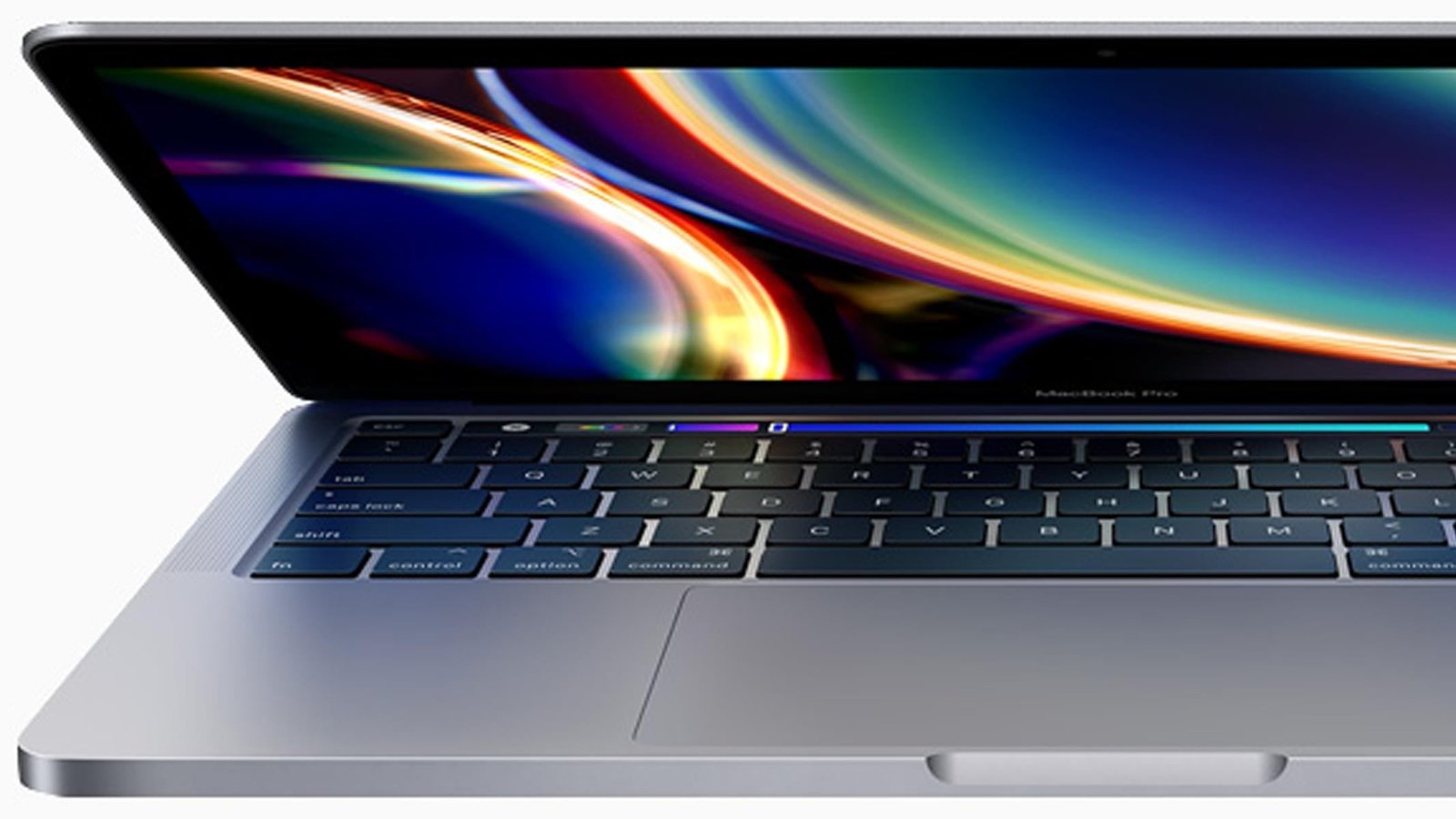
While the tech world is currently focused on the M5-series launches, a much larger transformation is brewing for 2027. Recent leaks suggest Apple is planning to introduce a new top-tier laptop—the MacBook Ultra—positioned to sit entirely above the current MacBook Pro lineup.
This isn’t just a minor refresh; it’s a total architectural and design overhaul that could mark the most significant change to the Mac since the transition to Apple Silicon.
The “Ultra” Features: What Sets it Apart?
According to industry insiders like Mark Gurman and supply chain reports, the MacBook Ultra will debut several “firsts” for the Mac ecosystem:
-
Tandem OLED Display: Apple is finally moving away from Mini-LED. The Ultra is expected to feature an OLED panel, offering “true blacks,” infinite contrast, and better power efficiency.
-
Touchscreen Support: In a reversal of a long-standing Apple philosophy, the MacBook Ultra may finally support touch input. Reports suggest macOS is being optimized to allow for “point-and-click” touch interactions without losing its desktop roots.
-
The M6 Chip (2nm Process): While current chips use 3nm technology, the M6 Pro and M6 Max chips slated for the Ultra will likely be built on TSMC’s 2nm process. This jump promises massive gains in performance-per-watt and AI processing.
-
Dynamic Island for Mac: The notch may finally evolve. The Ultra is rumored to feature a hole-punch camera cutout integrated with Dynamic Island software, mirroring the iPhone’s interface for notifications and live activities.
-
Cellular Connectivity: For the first time, a MacBook may include a built-in 5G modem (potentially Apple’s own custom-designed chip), making it a truly mobile workstation.
Design & Build: Slimming Down
The transition to OLED technology does more than just improve the picture—it removes the need for bulky backlighting. This allows Apple to engineer an ultra-thin chassis that is significantly lighter than the current 14-inch and 16-inch MacBook Pro models.
| Feature | MacBook Pro (Current) | MacBook Ultra (Expected 2027) |
| Display Tech | Mini-LED / LCD | Tandem OLED |
| Input | Keyboard / Trackpad | Touch + Keyboard / Trackpad |
| Processor | M4 / M5 Series (3nm) | M6 Series (2nm) |
| Connectivity | Wi-Fi / Bluetooth | Built-in 5G / LTE (C2 Chip) |
| Camera Area | Static Notch | Dynamic Island |
Why the Delay to 2027?
Original plans supposedly targeted a 2026 release, but two major hurdles have pushed the timeline to early 2027:
-
The RAM Crisis: A global shortage of high-capacity memory chips (driven by the explosion of AI servers) has made it difficult for Apple to secure the 128GB+ RAM modules planned for these machines.
-
Leadership Transition: With CEO Tim Cook expected to move to an Executive Chairman role, the MacBook Ultra—alongside the rumored foldable iPhone Ultra—is being positioned as the “hero product” to launch the era of incoming CEO John Ternus.
The Price of Innovation
Be prepared for sticker shock. Positioning a product above the MacBook Pro means the MacBook Ultra will likely carry a premium price tag, with some analysts predicting a $500 to $700 increase over current base Pro models.
Perspective: For professionals who have felt that the iPad Pro’s OLED screen and the MacBook’s power should exist in a single device, the MacBook Ultra is exactly what you’ve been waiting for—if you can wait another year.
