

The Delhi government has released a bold new draft Electric Vehicle (EV) Policy 2026-2030, aiming to combat the city’s chronic air pollution by mandating a complete transition to electric mobility. The policy, currently open for 30 days of public feedback, sets aggressive deadlines for phasing out internal combustion engine (ICE) vehicles.
Key Electrification Deadlines
The draft outlines a phased approach to ensure the industry and consumers have time to adapt:
-
Commercial Aggregators: No new petrol/diesel two-wheelers or light goods vehicles (up to 3.5 tonnes) can be added to aggregator fleets (like Uber, Ola, or Zomato) from January 1, 2026.
-
Three-Wheelers: Only electric three-wheelers will be registered starting January 1, 2027.
-
Private Two-Wheelers: A complete ban on new petrol two-wheeler registrations will take effect on April 1, 2028.
-
Government & Schools: All new government vehicle procurement must be electric. School buses face a tiered target, reaching 30% electrification by 2030.
Incentives and Benefits
To encourage the shift, the government is proposing a “tapering” subsidy model (benefits decrease over time to encourage early adoption):
-
Direct Subsidies: Available for two-wheelers (up to ₹2.25 lakh), three-wheelers, and electric cars (up to ₹1 lakh).
-
Tax Exemptions: 100% waiver on road tax and registration fees for eligible EVs.
-
Scrappage Bonus: Incentives between ₹10,000 and ₹1 lakh for scrapping old BS-IV or lower-rated vehicles in favor of an EV.
Infrastructure & Sustainability
-
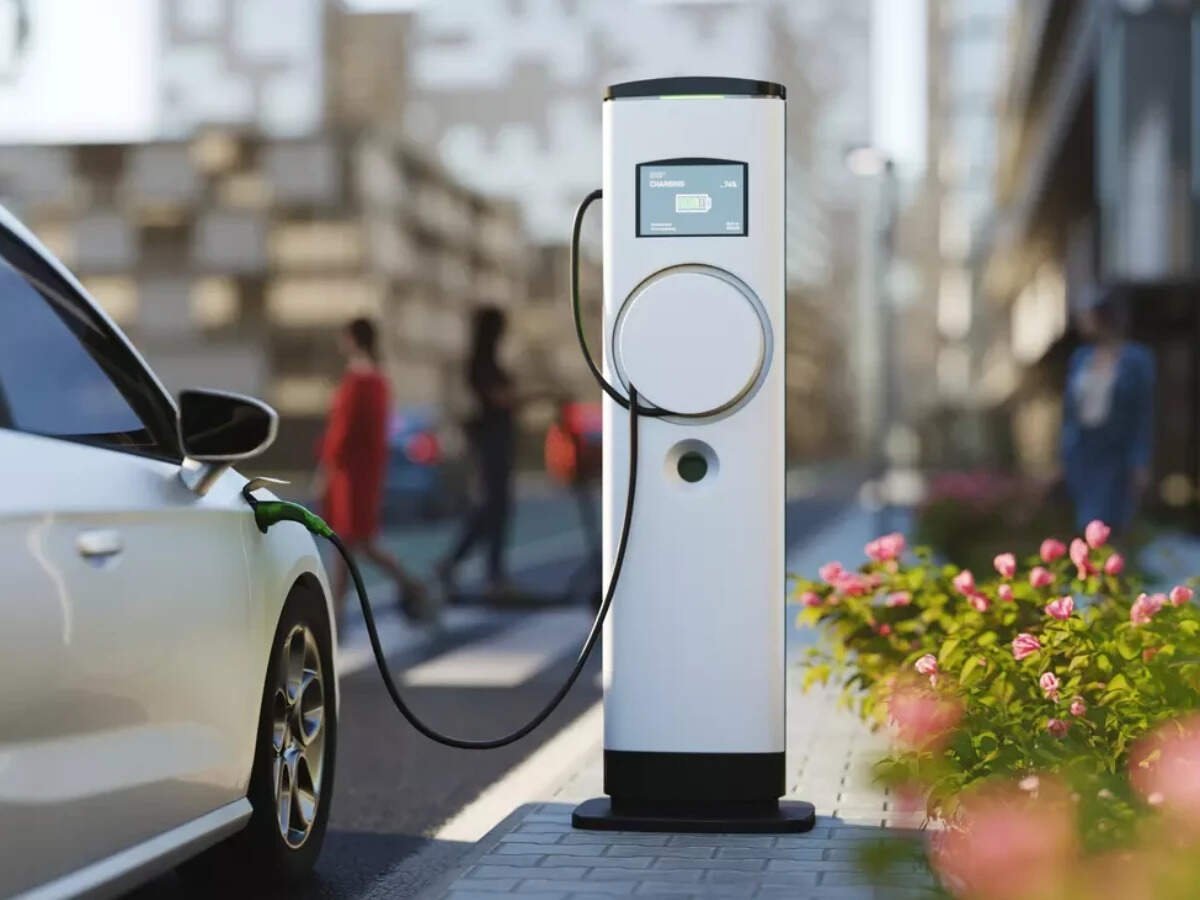
Charging Network: Delhi Transco Limited (DTL) will lead the expansion of charging and battery-swapping stations. A single-window clearance system will be created to speed up installations.
-
Battery Management: The policy introduces Extended Producer Responsibility (EPR), ensuring manufacturers are responsible for the recycling and safe disposal of used batteries to prevent a new waste crisis.
