

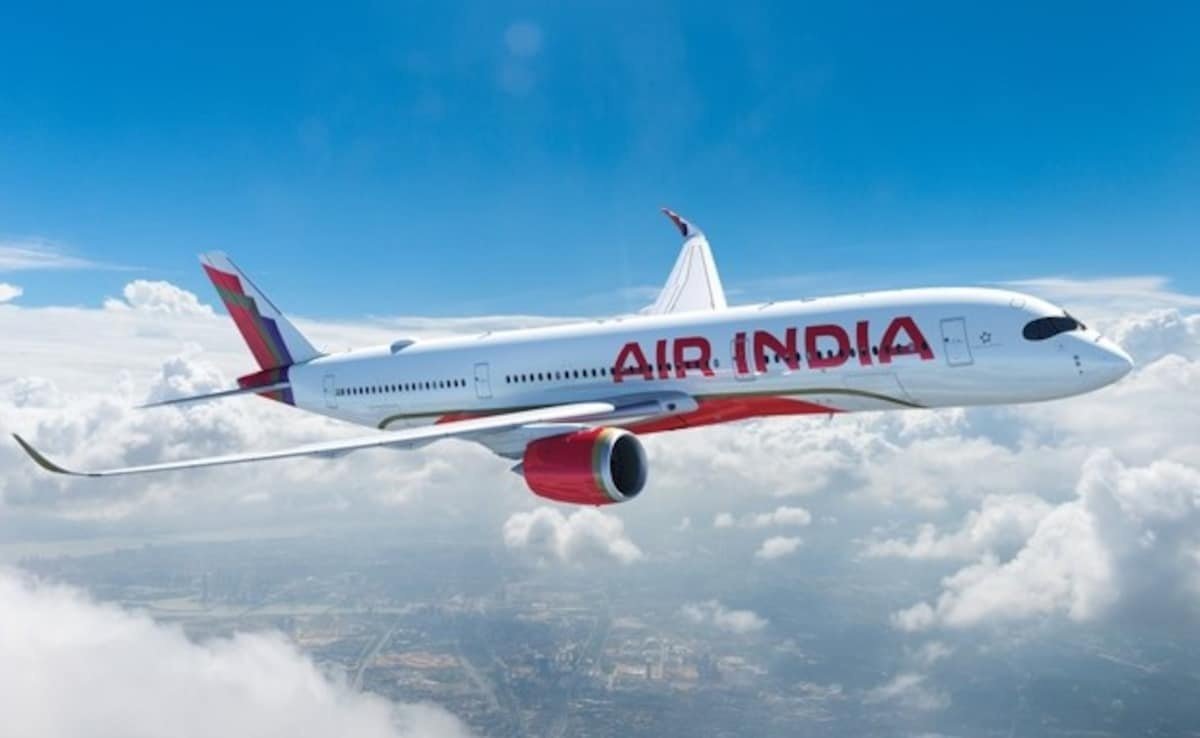
Following a global surge in jet fuel prices driven by the ongoing US-Iran conflict, Air India has announced a significant revision to its fuel surcharge structure. The Tata Group-owned carrier will implement these changes starting April 8 for domestic routes and April 10 for major international sectors.
Domestic Impact: Distance-Based Surcharges
Air India is moving away from a flat fee to a model based on the distance flown. While the government has capped the domestic aviation turbine fuel (ATF) price increase at 25%, passengers will still see a noticeable jump in ticket costs:
| Distance Band (km) | Revised Fuel Surcharge (INR) | Effective From |
| 0–500 | ₹299 | April 8, 2026 (09:01 IST) |
| 501–1,000 | ₹399 | April 8, 2026 (09:01 IST) |
| 1,001–1,500 | ₹549 | April 8, 2026 (09:01 IST) |
| 1,501–2,000 | ₹749 | April 8, 2026 (09:01 IST) |
| 2,000+ | ₹899 | April 8, 2026 (09:01 IST) |
International Impact: Sharp Rises for Long-Haul
The international sector will face a much steeper impact as global fuel prices have nearly doubled, hitting $195.19 per barrel in late March.
-
Short-Haul (SAARC/Middle East): Surcharges range from $24 to $50.
-
Medium-Haul (Europe/UK): A significant addition of $205 per ticket.
-
Long-Haul (North America/Australia): The highest increase at $280 per sector.
Why are Fares Rising?
The primary driver is the geopolitical tension surrounding the Strait of Hormuz, a critical oil transit chokepoint. With fuel typically accounting for 40% of an airline’s operating expenses, the industry is seeing a massive ripple effect:
-
IndiGo has already implemented similar hikes.
-
Global Refining Margins (crack spreads) have tripled in a matter of weeks.
-
Airline Absorption: Air India stated it is still absorbing a portion of the costs to prevent even higher fare spikes for travelers.
Travel Outlook
This news comes at a challenging time for Delhi travelers, who are already dealing with flight disruptions today due to a yellow weather alert and thunderstorms. For those planning international trips later this month, booking before the April 10 deadline for long-haul routes may offer some temporary protection against the new surcharges.
