

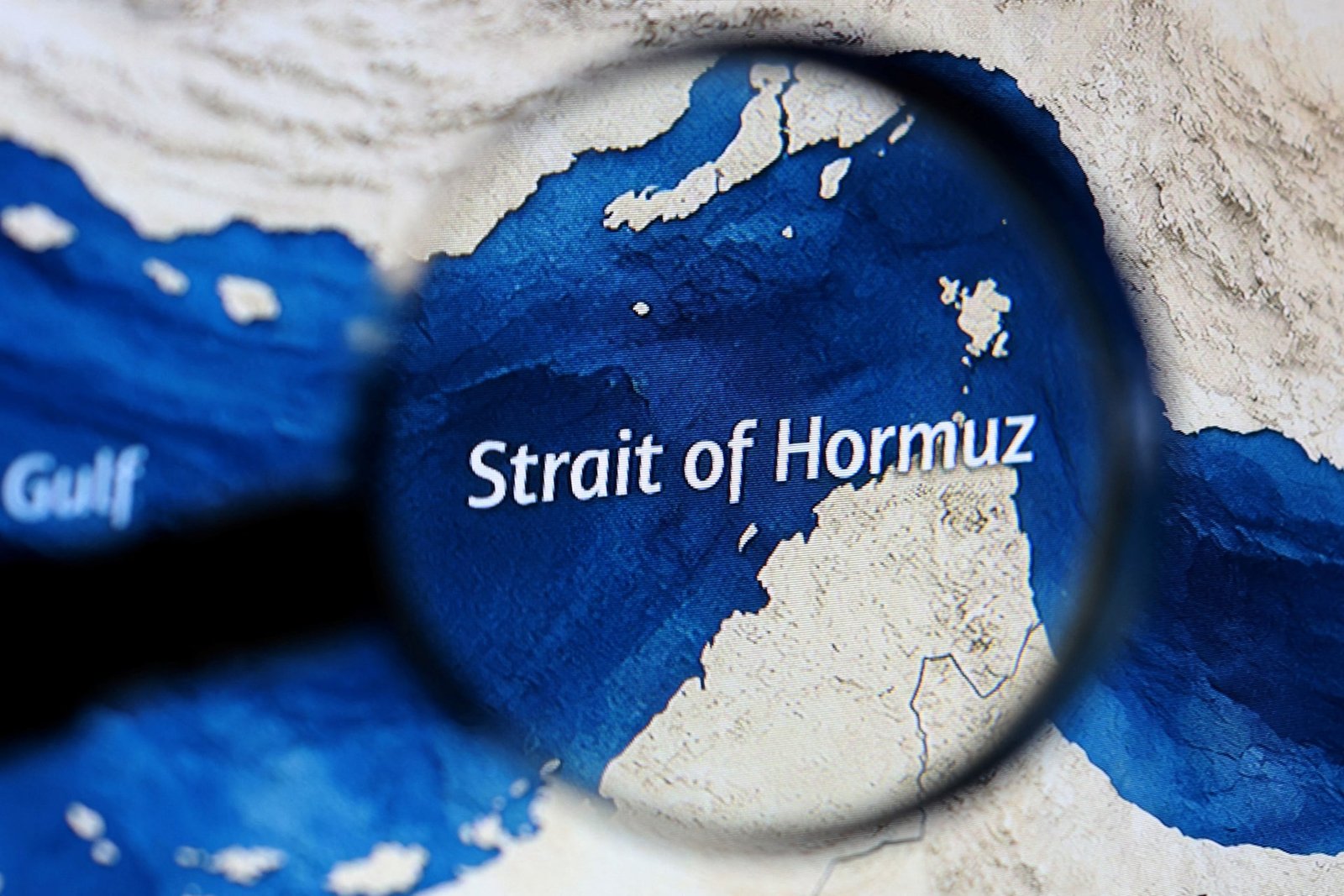
In a major escalation of the ongoing Middle East conflict, the United Arab Emirates (UAE) is reportedly preparing to join the United States and international allies in a military operation to forcefully reopen the Strait of Hormuz.
According to a Wall Street Journal report released on April 1, 2026, this move would make the UAE the first Persian Gulf nation to transition from a defensive posture to an active combatant against Iran.
Strategic Shift: From Commerce to Combat
The UAE’s shift follows weeks of being on the front lines of Iranian missile and drone attacks. For decades, Dubai served as a financial hub for Iranian interests, but that relationship has disintegrated as the “chokehold” on the Strait of Hormuz threatens 20% of the world’s oil and LNG supply.
Key Military & Diplomatic Moves:
-
UN Resolution: The UAE is actively lobbying for a UN Security Council resolution that would authorize “all necessary means” to keep the waterway open. Bahrain is reportedly sponsoring the proposal, with a vote expected as early as Thursday.
-
Coalition Building: Emirati diplomats are urging military powers in Europe and Asia to form a coalition specifically to clear Iranian mines and provide maritime security.
-
Island Occupation: Reports suggest the UAE is encouraging the U.S. to occupy strategic islands in the strait, including Abu Musa, which is currently administered by Iran but claimed by the UAE.
UAE Implements Travel Ban on Iranians
Coinciding with the military report, major Emirati carriers—Emirates, Etihad, and FlyDubai—announced on Wednesday that Iranian nationals are barred from entering or transiting the UAE.
-
Exemptions: Only holders of the 10-year “Golden Visa” are currently exempt from the restriction.
-
Institutional Closures: The move follows the recent shutdown of the Iranian Hospital and the Iranian Club in Dubai, institutions that had remained open since before the 1979 Revolution.
Regional Alliances: Netanyahu and Saudi Arabia
The UAE’s readiness to join the fray aligns with statements from Israeli Prime Minister Benjamin Netanyahu, who recently claimed to be building “new alliances” with Arab nations to counter Tehran. Netanyahu told his cabinet that several regional leaders now “understand” the existential threat posed by the Islamic Republic.
Saudi Arabia, while not yet committing ground troops, has seen its patience reach a breaking point.
-
“Shattered Trust”: Saudi Foreign Minister Prince Faisal bin Farhan stated that the “little trust” rebuilt in 2023 is now “completely shattered.“
-
Military Access: Riyadh has already granted the U.S. military use of King Fahd Air Base, a significant signal that the Kingdom is preparing for a potential expansion of the war.
The Global Stakes
The Strait of Hormuz is the world’s most important energy chokepoint. With President Trump recently stating that nations reliant on the strait must take responsibility for its security—and even threatening to wind down U.S. involvement in “two to three weeks”—the UAE’s willingness to put “boots on the ground” represents a desperate regional effort to prevent a total global economic collapse.
