

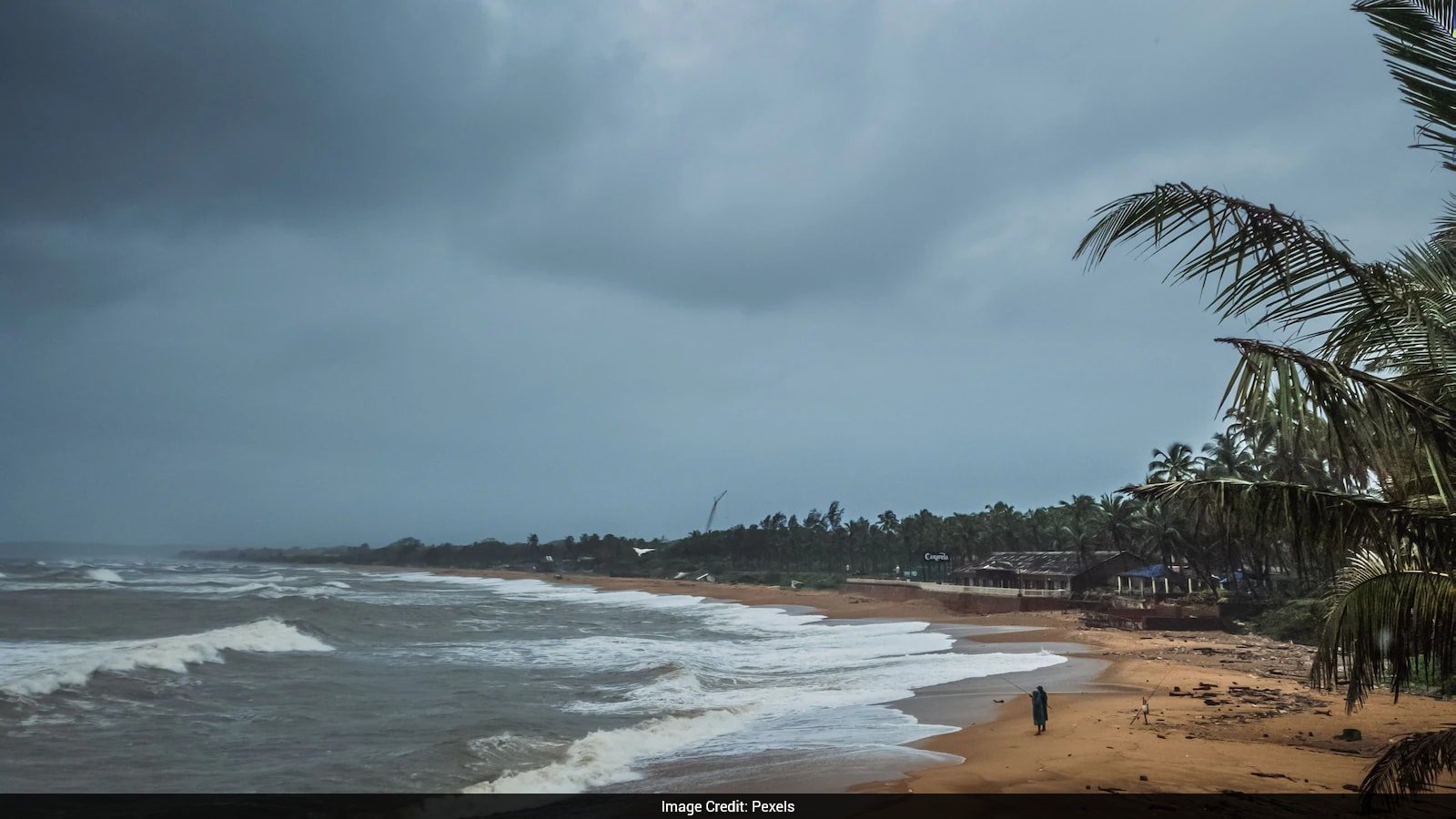
A cyclonic storm named Cyclone Arnab has formed over the west-central Bay of Bengal. Authorities across the eastern coast of India—particularly in Andhra Pradesh, Odisha, and Tamil Nadu—are taking extensive precautionary measures.
1. Current Trajectory & Expected Landfall
-
Expected Landfall: Forenoon of Wednesday, October 28, 2026.
-
Landfall Location: Along the Andhra Pradesh coast between Bapatla and Visakhapatnam (near Yanam).
-
Intensity: The system is forecast to intensify into a ‘Very Severe Cyclonic Storm’ before making landfall, packing sustained wind speeds of 115–125 km/h with gusts reaching 140 km/h.
-
Affected Areas:
-
Andhra Pradesh: Red alerts have been issued; large-scale evacuations are underway in low-lying coastal regions.
-
Odisha: Southern districts including Ganjam, Gajapati, Rayagada, Koraput, and Malkangiri are on high alert for heavy rainfall and potential landslides. Schools and colleges in these districts will remain closed on October 28–29.
-
Tamil Nadu: Cyclone warning signals have been hoisted across major ports (including Chennai, Nagapattinam, and Cuddalore) as heavy rains impact coastal districts.
-
2. Origin & Meaning of the Name “Arnab”
-
Proposed By: Bangladesh.
-
Meaning: The name Arnab is derived from the Bengali language, meaning “ocean” or “sea”.
-
Naming Framework: The name is part of the standard sequential list of 169 names adopted in April 2020 by the World Meteorological Organization (WMO) and the United Nations Economic and Social Commission for Asia and the Pacific (ESCAP) Panel on Tropical Cyclones.
3. Why Are Tropical Cyclones Named?
-
Clarity & Communication: Naming weather systems makes it significantly easier for media, emergency responders, and the public to identify specific storms, track updates, and avoid confusion when multiple weather systems develop concurrently.
-
Improved Disaster Preparedness: Short, memorable names facilitate quick, effective public warnings, making community awareness campaigns and emergency evacuation notices easier to follow.
-
Streamlined Coordination: Standardized naming allows meteorological agencies and regional governments across neighboring countries to collaborate smoothly during disaster management.
