

Following Uttarakhand, Gujarat has officially become the second state in India to receive presidential assent for its version of the Uniform Civil Code (UCC). The Gujarat UCC Bill 2026, which was passed by the state assembly in March, has now been published in the Gujarat Government Gazette, clearing the path for its implementation.
Key Highlights of the Gujarat UCC Act
-
Unified Legal Framework: The legislation replaces varied personal laws with a single legal code governing civil matters such as marriage, divorce, succession, inheritance, and live-in relationships for all citizens residing within the state. It also extends its jurisdiction to Gujarat residents living outside state borders.
-
Exemptions: To preserve constitutional protections for customary tribal rights, the provisions do not apply to Scheduled Tribes.
-
Marriage & Monogamy: The Act explicitly prohibits bigamy and polygamy, making monogamy a strict legal condition by ensuring neither party has a living spouse at the time of marriage. The legal marriageable age is set at 21 years for men and 18 years for women.
-
Mandatory Registrations:
-
Marriages solemnized within Gujarat (or involving a state resident) must be formally registered within 60 days to avoid monetary penalties.
-
The registration of all divorces is also made strictly mandatory, stating that no marriage can be dissolved outside of these legal provisions regardless of personal customs or traditions.
-
-
Live-in Relationship Protocols: Couples entering live-in relationships must formally declare their relationship by submitting a statement to designated authorities. Crucially, any children born from such registered live-in relationships are legally recognized as legitimate.
-
Uniform Grounds for Divorce: Common legal grounds for divorce under the new code include adultery, cruelty, desertion for at least two years, religious conversion, and disappearance for seven years.
Implementation and Broader National Context
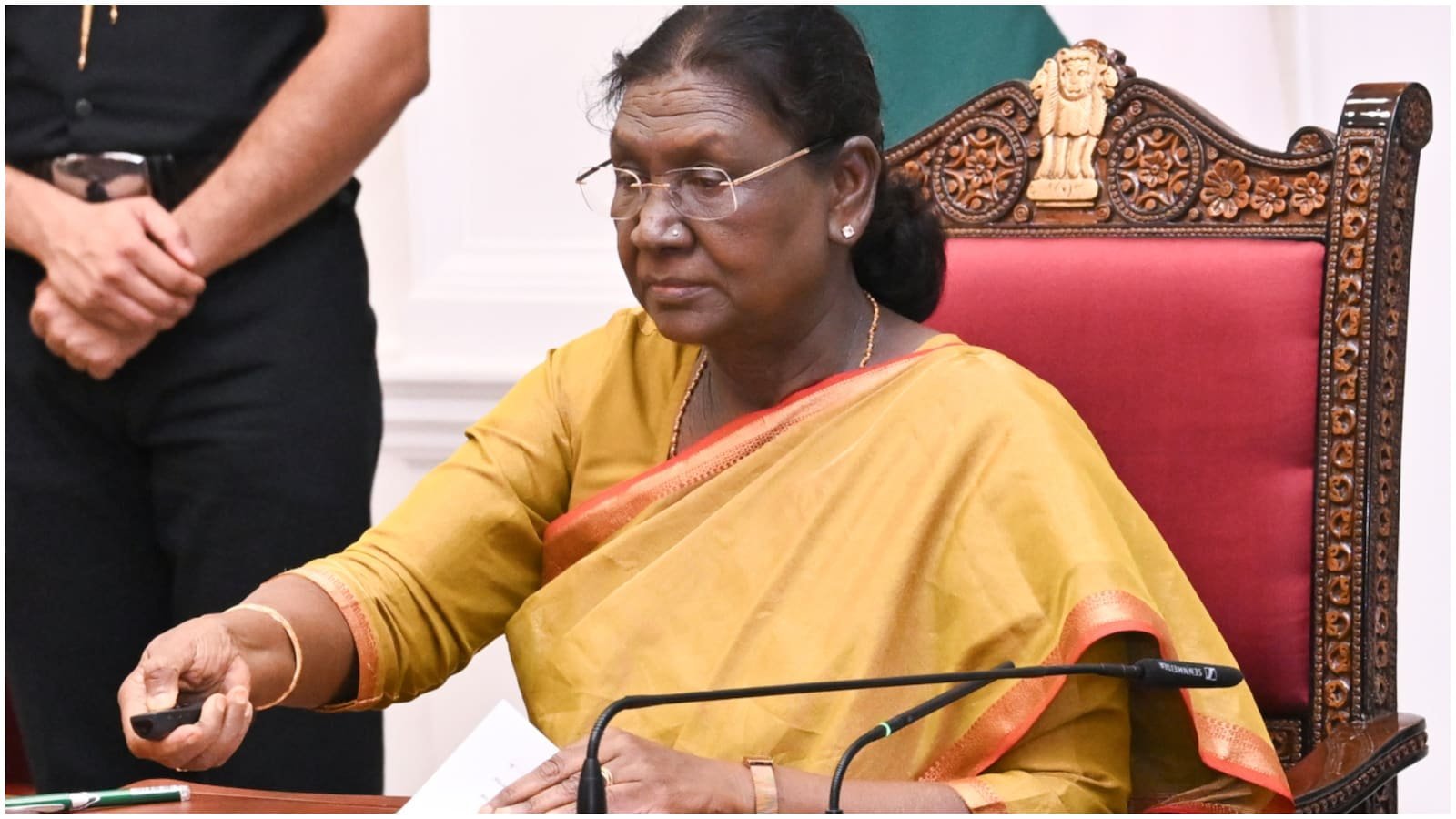
While the Act has received presidential assent from President Droupadi Murmu, it will formally come into force on a date specified by the state government as administrative frameworks and procedural rules are finalized.
With Uttarakhand having implemented its civil code in 2025 and Assam having passed similar legislation awaiting presidential approval, the adoption of state-level UCC frameworks continues to gain legislative momentum across India.
