

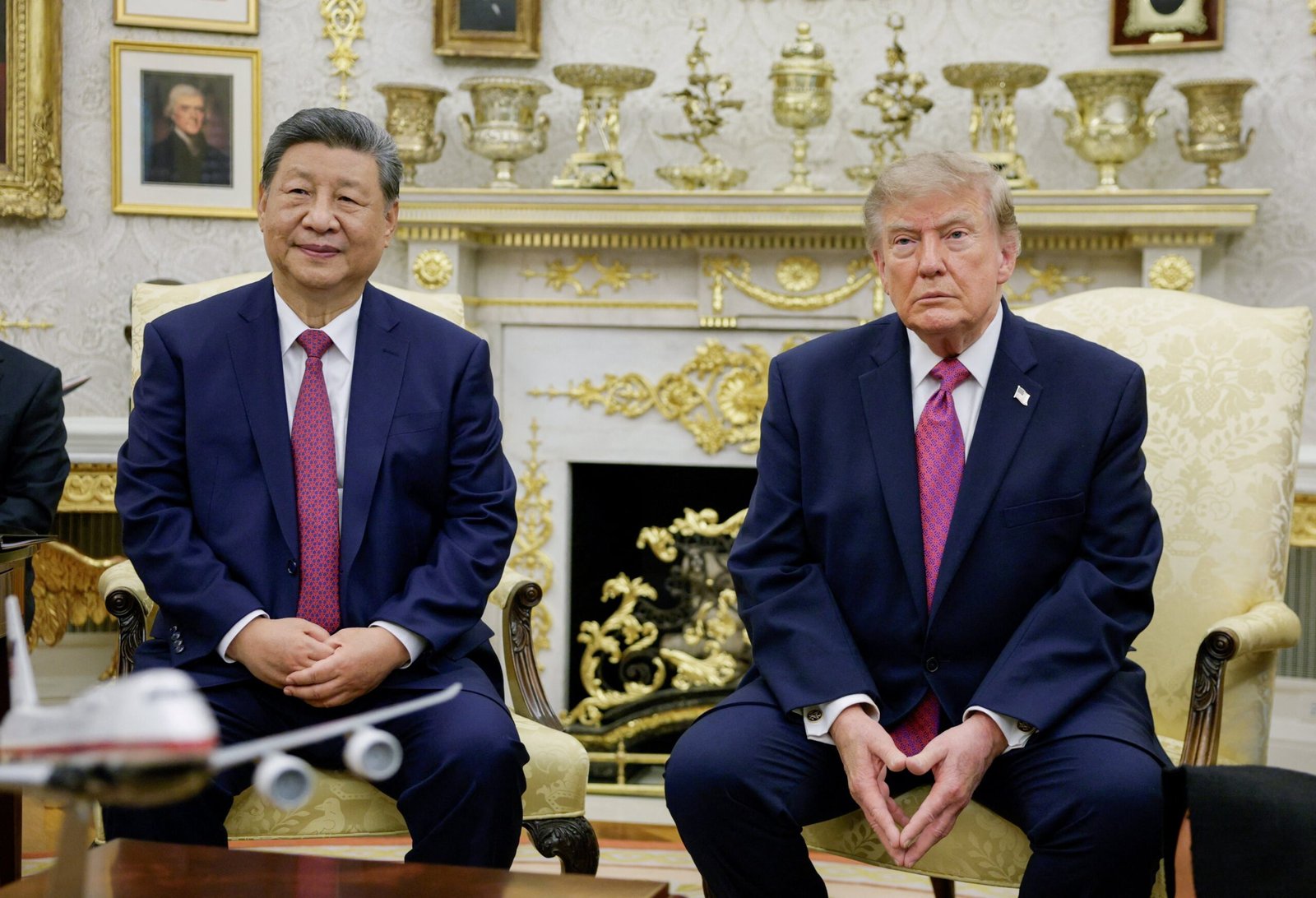
During a high-profile state visit to the White House, Chinese President Xi Jinping stated that the United States and China share a mutual responsibility to ensure artificial intelligence develops safely and remains under “human control.”
Speaking alongside US President Donald Trump, Xi emphasized that both superpowers possess the capability and duty to manage AI “for good,” though he did not outline specific regulatory frameworks or safeguards to achieve this goal.
Key Highlights of the Bilateral Summit
-
AI at the Forefront: Artificial intelligence dominated the bilateral agenda as the two world leaders met amid intense global competition for technological supremacy and growing concerns over advanced AI risks.
-
Trump’s Stance on Governance: Ahead of the talks, President Trump took to Truth Social to express a different preference on regulatory intervention, writing that he wants to leave AI governance “exactly where it is”—noting that “Our guardrail is the DOJ!” Neither leader announced a formal joint AI agreement during their opening remarks.
-
Bilateral Pre-Meetings: Ahead of the presidential summit, US and Chinese finance ministers met, with the US side proposing a new “notification mechanism” to handle cross-border AI incidents.
-
The Global “AI Slowdown” Debate: The summit follows a major essay by Anthropic CEO Dario Amodei—endorsed by industry leaders like Sam Altman and Elon Musk—calling for a slowdown in cutting-edge AI development due to existential risks. China’s Foreign Ministry sharply criticized the proposal, labeling it “fear-mongering” and warning that confrontation and competition would hinder global AI governance.
Note: While the talks highlighted a shared rhetorical goal for safe AI management, deep strategic divergences remain between Washington and Beijing regarding how fast the technology should advance and how heavily it should be regulated.
