

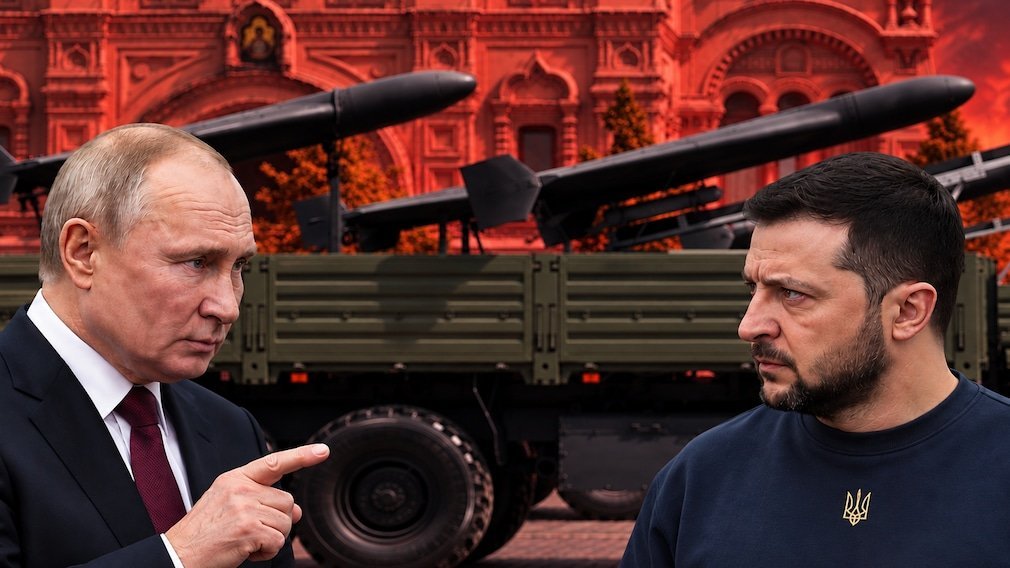
The Russia-Ukraine conflict has entered a devastating new technological phase, driven by Moscow’s deployment of high-speed, jet-powered attack drones. Blurring the line between traditional drones and cruise missiles, these weapons are actively overwhelming Ukraine’s air defense networks and forcing a radical reassessment of modern military strategy.
Key Technological and Tactical Shifts
-
Blinding Speed and Altitude: Unlike earlier propeller-driven Shahed models, newer variants like the Geran-5 feature compact, Chinese-sourced turbojet engines. They cruise at speeds up to 600 kilometres per hour at altitudes between 5,000 and 6,000 metres, rendering traditional mobile machine-gun groups and slower interceptor drones obsolete.
-
Mass Production at Scale: Russia has scaled up manufacturing dramatically at facilities like the Alabuga special economic zone, reportedly producing roughly 3,000 jet-powered airframes per month. In August, monthly deployments surged to 2,850 drones, with jet variants making up the majority of nightly strike packages.
-
Cost-Imposition Strategy: By utilizing low-cost drone economics to deliver mass-strike packages, Russia forces Ukraine into an unsustainable economic trade-off: defending against the swarms requires expending scarce, highly expensive surface-to-air missiles.
-
Evolving Countermeasures: Ukraine is struggling to adapt its defensive architecture. Kyiv is actively exploring high-speed jet interceptors capable of matching 600 km/h targets, head-on collision tactics, and advanced electronic warfare to feed false GPS data to incoming swarms.
Global Implications for Air Defense
Experts note that the proliferation of low-cost, high-speed munitions like the Geran-5 effectively transforms deep-strike capabilities from a scarce, high-end resource into a mass-producible commodity. For global militaries, future air defense will require cheap, industrial-scale effectors rather than relying solely on high-tech, low-volume interceptor missiles.
