

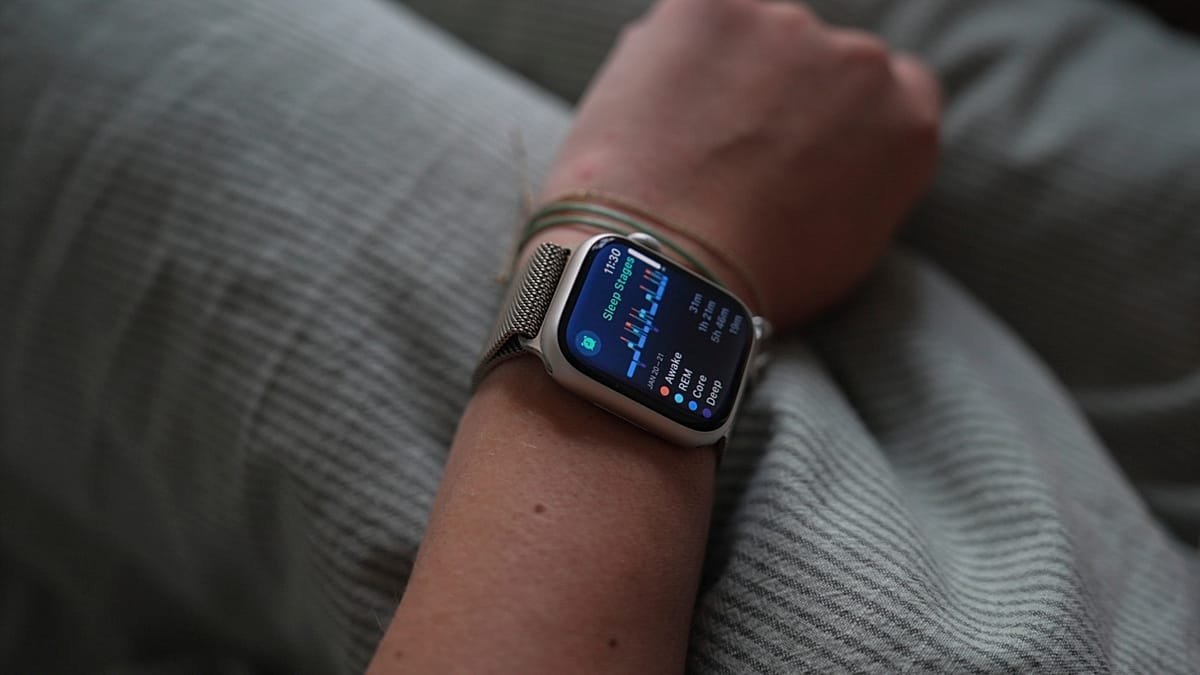
Sleep tracking varies significantly across wearables—some focus on basic sleep duration, while others deliver granular data on sleep stages, recovery, heart rate, and long-term habits.
Featured Smartwatches Comparison
| Model | Display | Battery Life | Key Sleep & Fitness Features | Best For |
| Google Pixel Watch | 1.2″ AMOLED | ~24 hours | Fitbit activity & deep sleep stage tracking, heart rate monitoring, Wear OS features | Comprehensive Fitbit health integration for Android users |
| Amazfit Active 3 Premium | 1.32″ Sapphire AMOLED | Up to 12 days | Sleep, recovery, SpO2, stress, 170+ workout modes, offline maps | Runners & fitness enthusiasts wanting durable sapphire glass & long battery |
| Huawei Band 11 | 1.62″ AMOLED | Up to 14 days | Ultra-slim (~17g) metal design, all-day SpO2, sleep & heart rate monitoring | Lightweight, comfortable all-day wear on a simple budget band |
| Amazfit Bip 6 | 1.97″ AMOLED | Up to 14 days | Large display, built-in GPS, sleep tracking, 140+ workout modes | Everyday fitness tracking with a large screen and minimal charging |
| boAt Valour Watch 1 GPS | 1.43″ AMOLED | Up to 15 days | Gorilla Glass, built-in GPS, AI auto-gym mode, sleep & heart rate tracking | Long battery life & built-in GPS at an accessible price |
| Noise Alt Watch 1 | 1.32″ AMOLED | Up to 14 days | Circular design, rotating crown, built-in GPS, sleep, stress & SpO2 tracking | Stylish design with hardware controls and essential health metrics |
| Amazfit Active 2 Premium | 1.32″ Sapphire AMOLED | Up to 10 days | Sapphire display, steel case, built-in GPS, offline maps, HYROX mode | Premium build quality with versatile health and sports tracking |
Key Factors for Choosing a Sleep-Tracking Watch
-
Form Factor & Weight: Lighter devices like the Huawei Band 11 (~17g) are significantly more comfortable to wear continuously through the night.
-
Battery Endurance: Devices with 10–14 days of battery life allow for seamless overnight tracking without daily charging interruptions.
-
Data Depth: Operating systems with robust health platforms (like Fitbit on the Google Pixel Watch) give deeper actionable insights into recovery, sleep cycles, and overall habit patterns.
