

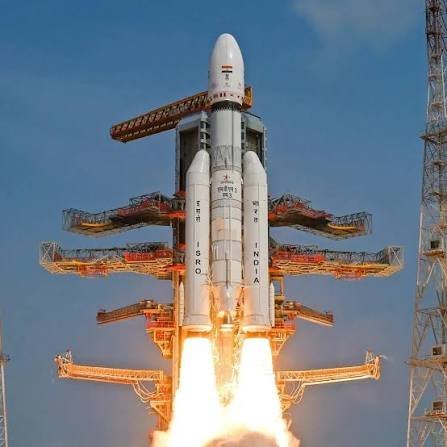
While the US dominates the global space sector and China commands vast state funding and advanced capabilities, India holds a critical geopolitical advantage: trust. China’s deep integration between commercial firms and state institutions breeds widespread geopolitical suspicion, limiting its international reach. India, conversely, offers a trusted alternative for global partnerships, positioning it to realistically target the top three or four global space powers.
Key Industry Drivers and Trends
-
Talent Migration: The exit of scientists from the Indian Space Research Organisation (ISRO) is not driven by foreign poaching, but by pay disparity. These minds are largely funneling into India’s surging private space-tech startup ecosystem.
-
The $1 Trillion Revenue Engines: Growth in the space economy centers on satellite telecom (direct-to-device connectivity), defense/surveillance (driven by global conflict monitoring), and emerging orbital applications like space-based data centers.
-
The LEO Shift: Satellite infrastructure has transitioned from massive, costly geostationary units to compact Low Earth Orbit (LEO) systems. Operating closer to Earth drastically lowers signal latency and enhances Earth-observation quality, opening frontiers for advanced propulsion in ultra-low orbits.
Through a strong engineering talent pool, cost-effective manufacturing, and expanding venture capital, India’s private space sector is evolving from an unfunded risk into a core player in global deep-tech.
