

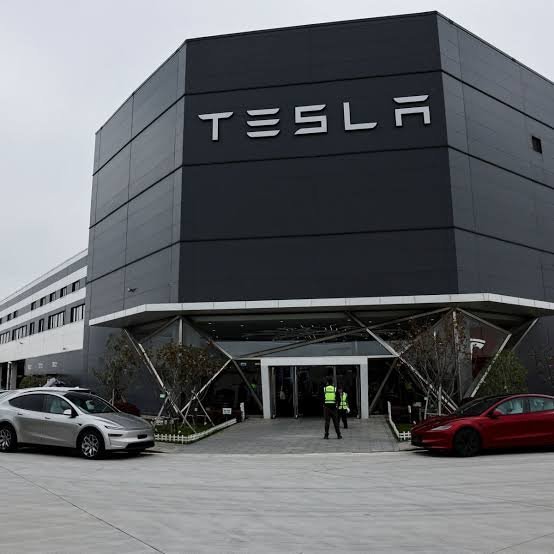
Tesla, alongside eight Chinese electric vehicle manufacturers, has announced a massive recall of over 4.3 million vehicles in China—the country’s largest-ever automotive recall. Tesla accounts for the vast majority, recalling roughly 2.98 million imported and China-made Model 3, Model Y, Model S, and Model X vehicles.
The action follows heightened regulatory scrutiny by China’s State Administration for Market Regulation (SAMR) after severe crashes exposed risks where electronic doors failed, trapping passengers inside or preventing rescuers from entering.
Key Breakdown of the Recall
-
Core Defect: In severe collisions involving electrical failure, flush/concealed electronic door handles can lock up, and emergency mechanical override handles inside the cabin are often difficult for panicked occupants or external first responders to locate quickly.
-
Remedial Fixes:
-
Over-the-Air (OTA) Updates: Tesla will push a software patch that automatically rolls down vehicle windows immediately following a detected crash to aid egress and rescue.
-
Physical Labels: Tesla and other carmakers will provide free warning labels and improved markings inside vehicles to clearly identify manual emergency release levers.
-
-
Other Affected Manufacturers:
-
Xiaomi: Recalling ~390,000 vehicles.
-
Leapmotor: Recalling ~371,000 vehicles.
-
XPeng, Geely (Zeekr / Lynk & Co): Recalling significant portions of their fleets for similar handle labeling and software updates.
-
Regulatory Context & Global Impact
-
Impending 2027 Ban: China announced earlier in 2026 that it will fully ban flush/hidden electronic door handles on new vehicles starting in 2027. Official media noted this recall serves as a proactive, industry-wide safety upgrade ahead of the ban.
-
International Oversight: Following China’s regulatory action, the U.S. National Highway Traffic Safety Administration (NHTSA) and European safety regulators have intensified their own investigations into electronic door latch safety standards.
