

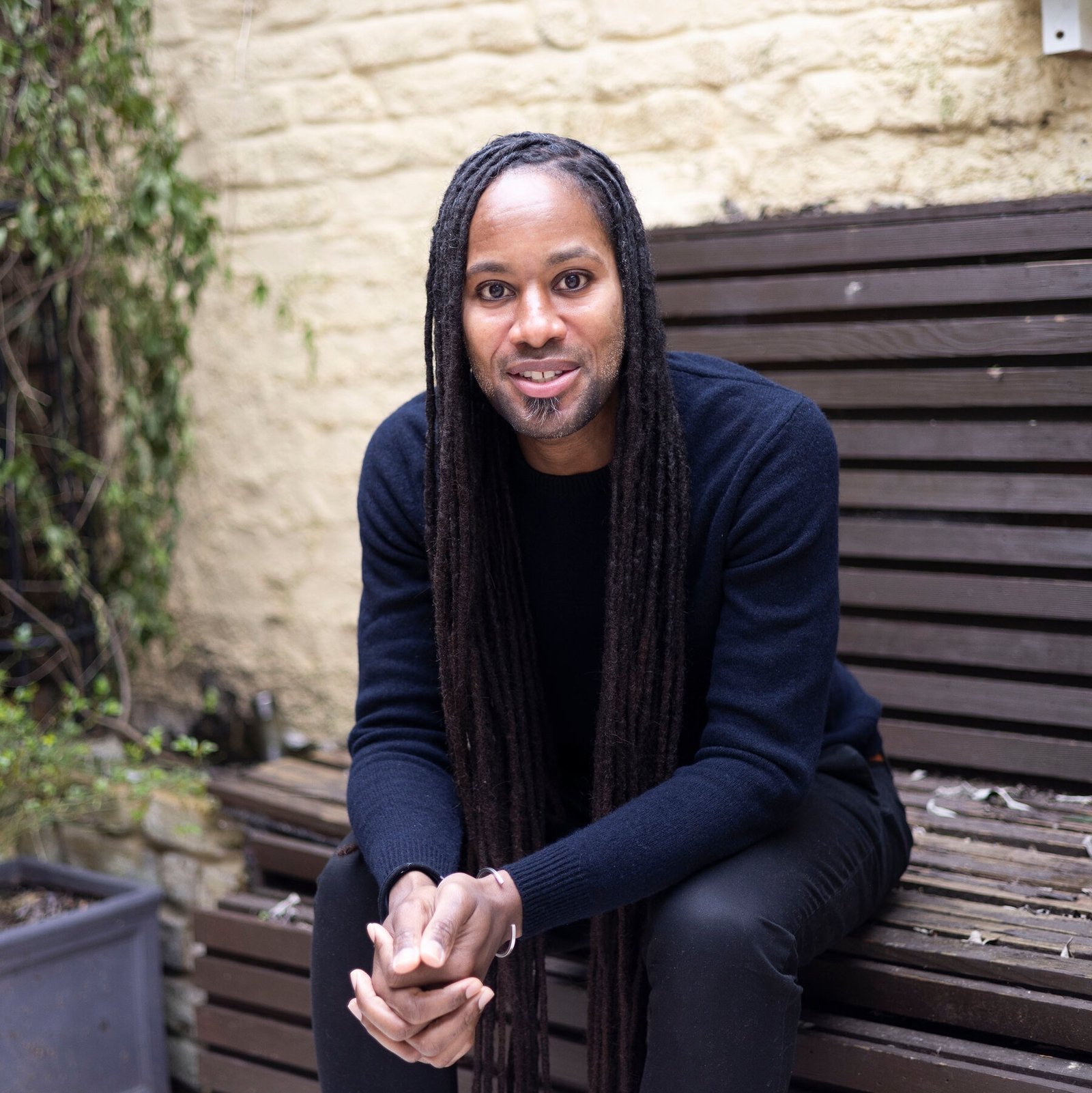
Jason Arday, a prominent 41-year-old Black British academic who was appointed in 2023 as the youngest Black professor in the history of the University of Cambridge, was found dead in South London on Friday. His death follows his resignation from the university on August 5 amidst high-profile allegations of plagiarism and scrutiny over his academic record.
Details of the Incident and Official Reactions
-
Discovery: The Metropolitan Police reported that officers and emergency responders were called to a property in Battersea, where a 41-year-old man was pronounced dead at the scene. Authorities stated the death is currently being treated as unexpected, though not suspicious, and a file is being prepared for the coroner.
-
University Response: University of Cambridge Vice-Chancellor Deborah Prentice expressed deep sadness over the tragic news and extended heartfelt sympathies to Arday’s family and friends.
-
Government Reaction: UK Education Secretary Lucy Powell expressed shock and sadness over the news, urging the public and media to grant privacy to Arday’s family.
Background of the Allegations and Resignation
-
Plagiarism Claims: The controversy escalated in July after allegations surfaced—initially raised by controversial academic Nathan Cofnas and later detailed in investigative reports by The Times and The Telegraph—claiming that portions of Arday’s doctoral thesis contained plagiarized material. Scrutiny also extended to claims regarding his personal life and charity achievements.
-
Resignation: Arday resigned from his professorship and fellowship at Jesus College on August 5 prior to official investigations. In an online statement, he maintained that his departure was not an admission of guilt, while acknowledging in a subsequent interview that he had made academic “mistakes.”
-
Public Debate: Arday characterized the campaign against him as racially motivated, while critics and right-wing commentators used the case to question diversity, equity, and inclusion (DEI) hiring policies. Cambridge leadership had promised a thorough, independent review into the circumstances surrounding his appointment while defending the broader contributions of ethnic minority academics.
