

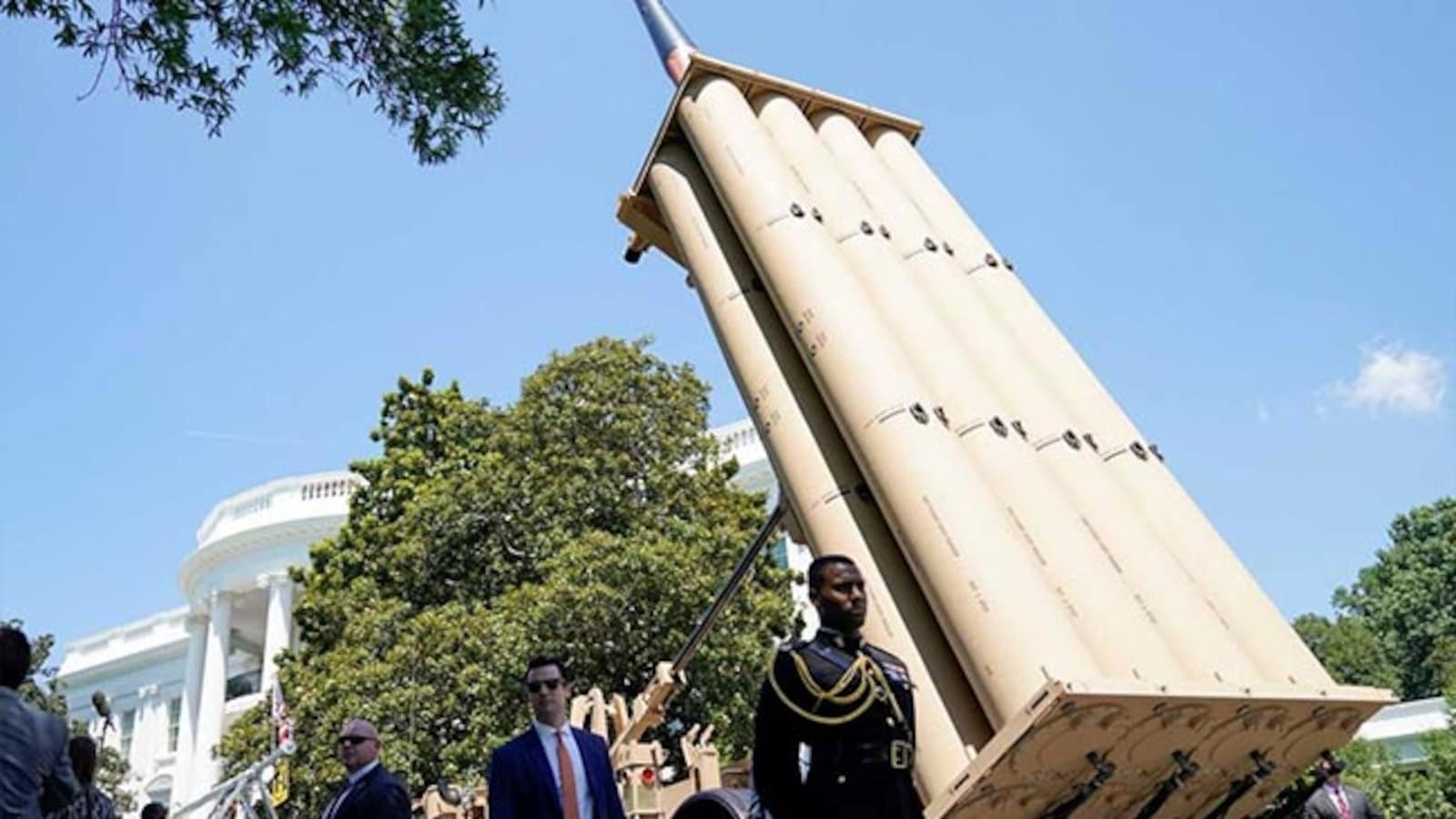
The ongoing conflict in Iran has reportedly depleted the United States military’s inventory of key air defense systems to critical levels, according to a report by CNN. Sources indicate that the US has exhausted approximately 80% of its THAAD (Terminal High Altitude Area Defense) interceptors and nearly 50% of its Patriot missile stockpiles compared to pre-war numbers.
Earlier assessments also noted that nearly 30% of the US Tomahawk cruise missile supply was utilized during the initial phase of the military campaign in April. Additionally, the report highlighted that the US Army has used “virtually all” of its highly accurate long-range, surface-to-air inventory.
Key Pre-War Inventory Estimates vs. Depletion
Data from the Center for Strategic and International Studies (CSIS) outlines the pre-war baseline for these key defense assets:
| Defense System | Estimated Pre-War Stockpile | Reported Current Depletion |
| THAAD Interceptors | ~452 units | ~80% Used |
| Patriot Interceptors (Modern Variants) | ~2,200 units | ~50% Used |
| Tomahawk Cruise Missiles | Standard Global Inventory | ~30% Used (Early Stage) |
Impact on Military Strategy and Gulf Allies
-
Strike Postponed: Reports suggest that advisers pointed to shrinking interceptor stockpiles when convincing US President Donald Trump to stand down on a major planned retaliatory strike against Iran over the weekend.
-
Concerns from Regional Allies: Middle Eastern partners host several US bases that rely directly on American air defense infrastructure. Gulf leaders expressed concern that reduced ammunition levels could leave their territory vulnerable to Iranian drone and missile counter-strikes if the conflict escalates further.
-
Intelligence & Targets: Beside ammo shortages, warnings regarding the risks of damaging critical energy infrastructure contributed to the decision to delay operations.
The White House Pushes Back
The White House disputed assertions that US stockpiles are depleted or limiting military options.
“The United States military has more than enough munitions, ammo, and stockpiles to serve all of President Trump’s strategic goals and beyond… Even still, the President has urged our defense contractors to constantly produce more made-in-America weapons, which are the best in the world.”
— Anna Kelly, White House Spokesperson
While the administration attributes the weekend pause to diplomatic pressure from regional partners like Saudi Arabia, independent military analysts continue to highlight production bottlenecks among US defense manufacturers facing prolonged demand.
