

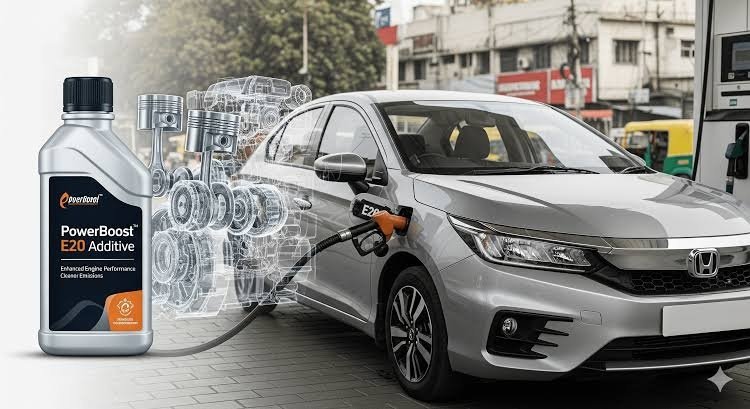
While E20 blended petrol helps cut carbon emissions and performs smoothly in compliant vehicles, owners of older cars need to take extra precautions. Due to ethanol’s moisture-absorbing nature, older engines—which lack modern, ethanol-resistant components—face a higher risk of fuel system issues.
Key Takeaways from the News
-
Environmental Benefits: E20 petrol significantly reduces carbon emissions compared to standard fuel.
-
The Moisture Problem: Ethanol is hygroscopic, meaning it attracts water from the air. Over time, water absorption causes phase separation—where ethanol and water detach from the petrol. This can lead to engine corrosion, starting trouble, and reduced performance.
-
Modern vs. Older Vehicles: Newer vehicles are designed specifically to handle E20 blends. Older cars, however, have aging seals, hoses, and fuel components that degrade faster under moisture exposure.
-
Government & Industry Guidelines:
-
The Ministry of Information & Broadcasting confirmed that modern E20 fuel systems are rigorously tested for corrosion resistance and hygroscopic properties.
-
Automakers’ Advice: TVS Motor and Hero MotoCorp advise riders to keep fuel caps tightly sealed during rainy seasons or washes. Hero recommends draining the fuel tank completely and disconnecting the battery if the vehicle will be parked for over a month.
-
SIAM Timelines: The Society of Indian Automobile Manufacturers set material-compliance standards for 2023, with full vehicle E20 compliance targeted for 2025. Some brands, like Honda Cars India, have made their vehicles material-compatible with E20 since 2009.
-
Humidity Levels and Absorption Rates
A study by the Renewable Fuels Association shows how quickly ethanol blends absorb water compared to pure petrol:
| Fuel Type | Moisture Uptake Rate (ppm/day) |
| Pure Petrol | 0.4 |
| E10 | 56.5 |
| E15 | 64.8 |
| E25 | 122.3 |
| E83 | 166.8 |
Regional Impact: Vulnerability varies by location. Older vehicles in humid or coastal regions—like Cherrapunji (81% relative humidity) or Dibrugarh (79%)—are at a much higher risk of moisture buildup than those in drier regions like Kota, Rajasthan (44%).
