

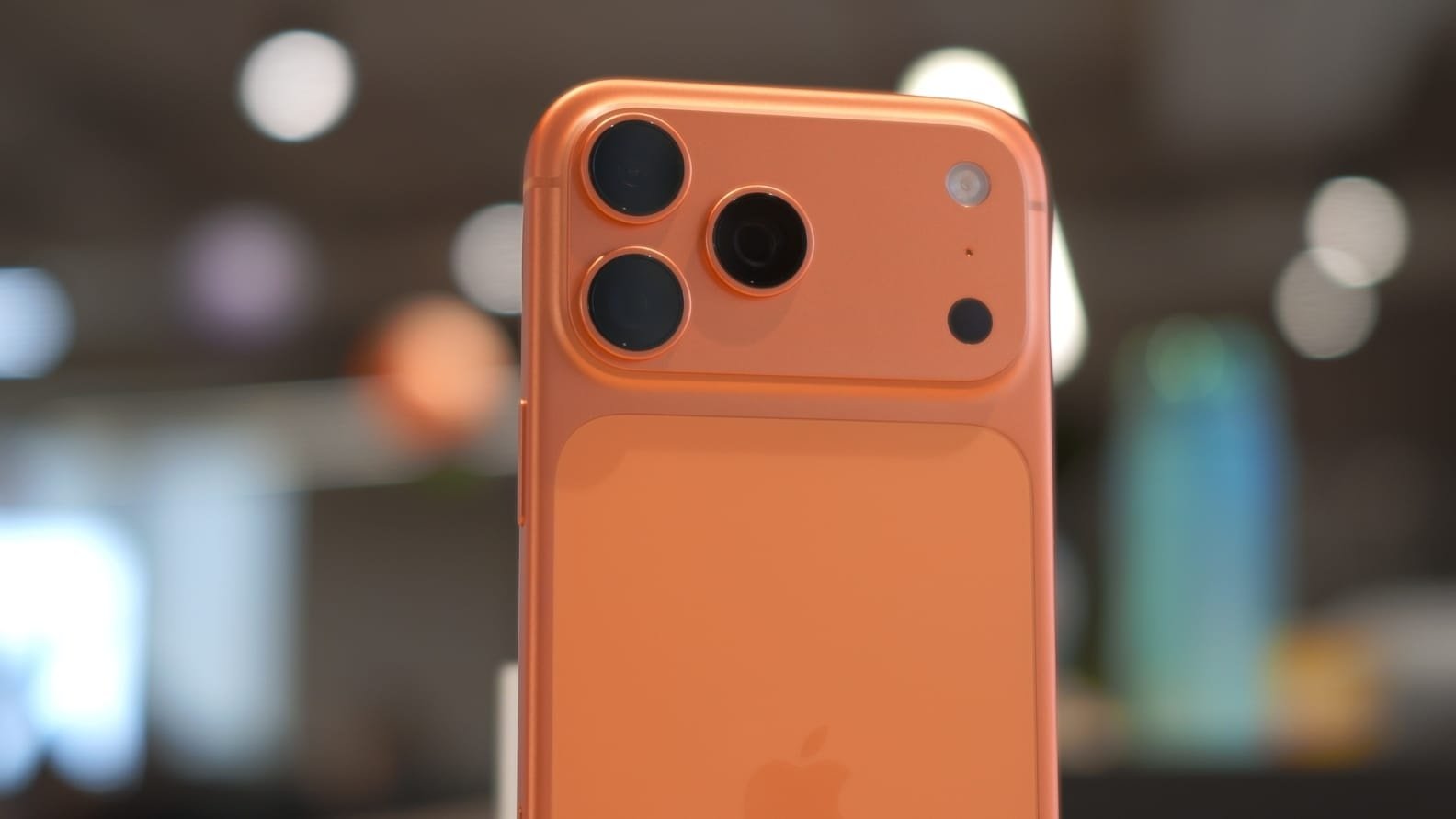
Reports surrounding Apple’s upcoming A20 Pro chipset suggest a significant generational shift. While routine yearly chip updates generally offer incremental speed and efficiency bumps, early supply-chain leaks suggest the A20 Pro could introduce a structural overhaul designed around local generative AI and lower thermal throttling.
Here is a breakdown of the two major architectural shifts rumored for the A20 Pro and what they could mean for the iPhone 18 Pro lineup.
1. Move to TSMC’s 2nm (N2) Process Node
The A20 Pro is expected to be Apple’s first smartphone silicon manufactured on TSMC’s 2-nanometer (2nm) process.
-
Transistor Density: The jump from 3nm (N3) to 2nm allows engineers to cram significantly more transistors into the same physical footprint.
-
Efficiency Gains: Early supply-chain metrics estimate that the N2 node could deliver roughly 10% to 15% faster performance at the same power level, or up to 25% to 30% lower power consumption at identical speeds compared to previous 3nm chips.
-
Real-World Impact: Users can expect better battery life during daily tasks and less battery drain under heavy workloads like 4K video editing or 3D gaming.
2. Shift to WMCM Packaging Architecture
The second major change—and arguably the more impactful structural shift—is a move from traditional Package-on-Package (PoP) layout to Wafer-Level Multi-Chip Module (WMCM) packaging.
Why WMCM Matters:
-
Thermal Isolation: In stacked (PoP) chips, the heat generated by the main CPU/GPU transfers straight into the RAM sitting directly on top of it. WMCM places memory adjacent to the main dies on the same wafer level, spreading out the heat and helping reduce performance throttling during extended use.
-
Memory Bandwidth & Latency: Bringing components closer at the silicon wafer level dramatically cuts down signal transfer latency and raises memory bandwidth. Reports indicate the chip may also move to LPDDR6 memory with a wider 96-bit bus.
What This Means for On-Device AI (Apple Intelligence)
The structural changes directly benefit complex machine-learning models:
-
Faster Local Execution: Large Language Models (LLMs) and generative image features depend heavily on high memory bandwidth. Faster access to unified memory enables Apple Intelligence features to process prompts quicker locally on the device.
-
Privacy & Independence: Running larger parameter models directly on the NPU reduces the need to offload tasks to Private Cloud Compute.
-
Power Efficiency During Inference: Generating text or image summaries typically draws significant power; the combined efficiency of the 2nm node and WMCM packaging keeps battery drain low during background AI operations.
Current Status
As with all pre-release hardware rumors, Apple has not confirmed these specifications. Official details on the A20 Pro chipset and the iPhone 18 Pro lineup are expected when Apple formally announces the hardware.
