

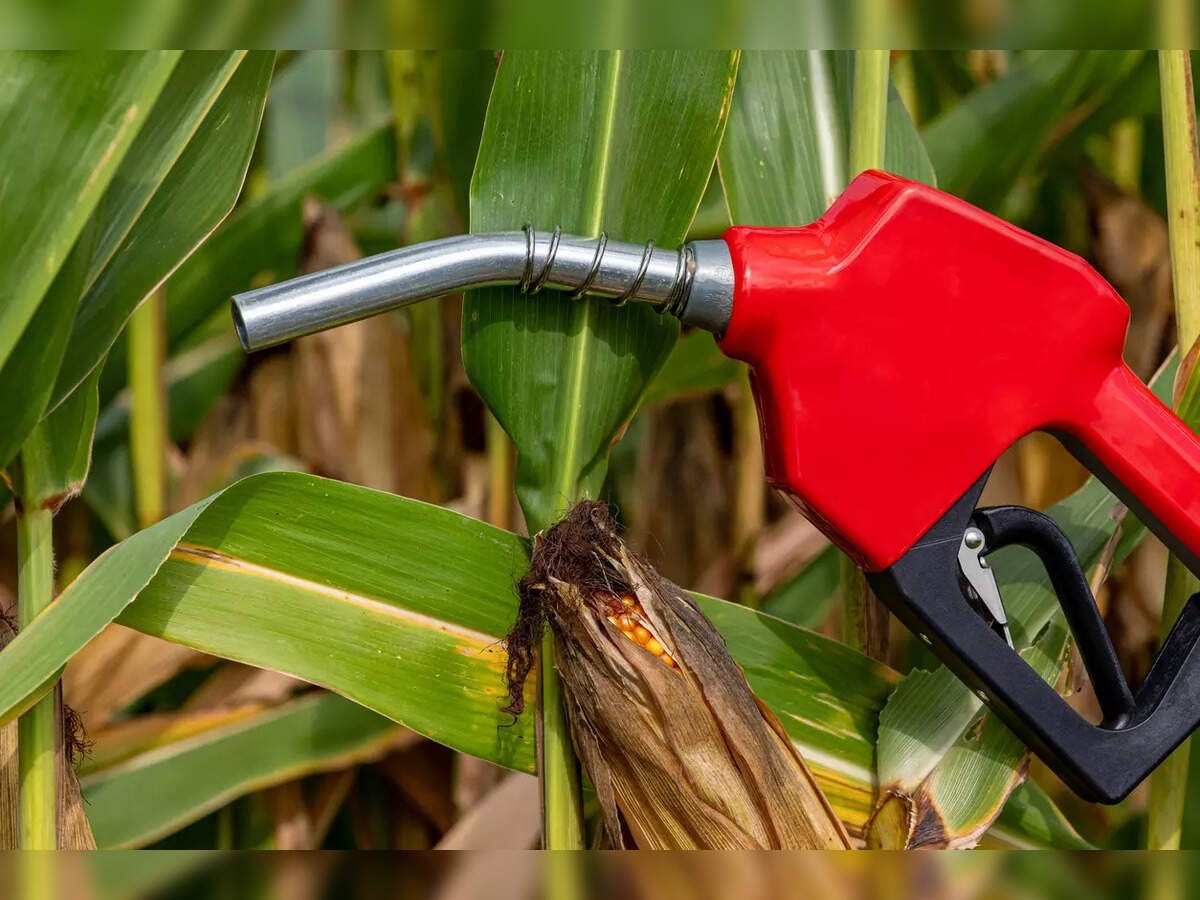
Sugar has historically stood as one of the most structurally distressed sectors in India. For decades, the industry remained trapped in volatile cycles—swinging violently between supply gluts and acute shortages, carrying severe debt burdens, remaining tethered to politically mandated sugarcane prices, and leaving farmers facing prolonged payment arrears. For most of their listed lives, many of these businesses operated with severely weak financial risk profiles.
The nationwide push toward an ethanol-blended fuel ecosystem was designed to fundamentally rewrite this narrative, introducing a secondary, non-cyclical, and heavily regulated revenue stream to stabilize corporate balance sheets. As India advances its E20 rollout, the structural narrative is transitioning from a policy-driven growth phase into an execution-heavy environment. This shift requires investors to differentiate short-term market noise and policy updates from long-term fundamental strengths.
To evaluate how this transition is impacting the broader ecosystem, Stock Reports Plus (powered by Refinitiv) has analyzed listed entities across the value chain. By assigning standardized scoring across five key pillars—earnings, fundamentals, relative valuation, risk, and price momentum—the system highlights 15 key stocks positioned across the ethanol and sugar ecosystem.
The Ethanol & Sugar Value Chain Matrix
| Sector Component | Company Name | Core Operational Moat / Focus | Refinitiv Scoring Anchor |
| Integrated Sugar & Large-Scale Distillers | Balrampur Chini Mills | Leading distillation capacities with advanced multi-feedstock flexibility. | Strong Fundamentals & Low Debt Risk |
| Shree Renuka Sugars | Massive refining capacity and extensive global supply chain linkage. | High Momentum & Revenue Scale | |
| Triveni Engineering | Dual focus on large-scale sugar distillation and engineered water systems. | Balanced Value & Earnings Stability | |
| Dalmia Bharat Sugar | Highly optimized operational cost structures across UP and Maharashtra. | High Relative Valuation Cushion | |
| Dhampur Sugar Mills | High-efficiency chemical integration and rapid distillery expansions. | Consistent Earnings Quality | |
| Mid-Sized & Regional Processors | EID Parry (India) | Strong South Indian market dominance coupled with nutraceutical holdings. | Strong Institutional Backing |
| Bannari Amman Sugars | Excellent operational efficiency and debt-free balance sheet structures. | Low Risk Profile | |
| Avadh Sugar & Energy | Consolidated multi-location crushing units providing regional scale. | Improving Price Momentum | |
| Dwarikesh Sugar Industries | Exceptionally high recovery rates and early adoption of ethanol diversion. | Highly Resilient Fundamentals | |
| Uttam Sugar Mills | Focused modernization of distillation plants yielding higher margins. | Positive Earnings Revisions | |
| Technology, Capital Goods & Allied Plays | Praj Industries | Global bio-mobility pioneer; dominates global ethanol plant engineering. | Exceptional Moat & Earnings Quality |
| Gulshan Polyols | Major grain-based ethanol producer leveraging non-sugar feedstocks. | High Structural Volume Drivers | |
| Magadh Sugar & Energy | Bihar-focused operations benefiting from localized state subsidies. | Favorable Value Metrics | |
| KCP Sugar & Industries | Specialized agricultural processing alongside heavy industrial machinery. | Asset-Backed Valuation Balance | |
| Bajaj Hindusthan Sugar | Massive asset base and crushing capacity across major northern belts. | High Volume & Momentum Rebound |
Core Structural Drivers vs. Market Perceptions
-
De-risking the Cyclical Core: By diverting B-heavy molasses and direct sugarcane juice toward ethanol production, these companies have effectively established a baseline floor price for their agricultural output. This diversion structurally mitigates the historical “glut-and-crash” cycle that previously decimated industry margins every 3 to 4 years.
-
The Rise of Multi-Feedstock Agility: Technology leaders like Praj Industries and grain-focused producers like Gulshan Polyols are decoupling the ethanol ecosystem from sugar monoculture. The expansion into grain-based feedstocks (such as damaged food grains and maize) ensures year-round distillation asset utilization, neutralizing localized monsoon or crop risks.
-
Strengthened Working Capital Cycles: Historically, sugar mills carried massive inventory overheads, waiting months for domestic off-take or export allocations. The structured, fixed-price procurement contracts offered by public sector Oil Marketing Companies (OMCs) have turned ethanol into a predictable cash-generating asset, significantly accelerating working capital velocity and reducing cane arrears.
E20 Transition Note: As the primary phase of infrastructure buildup concludes, individual company performance will diverge. Outperformance will no longer be driven merely by sector tailwinds, but by localized feedstock security, distillation blending efficiencies, and the strength of independent balance sheets under compressed margins.
