

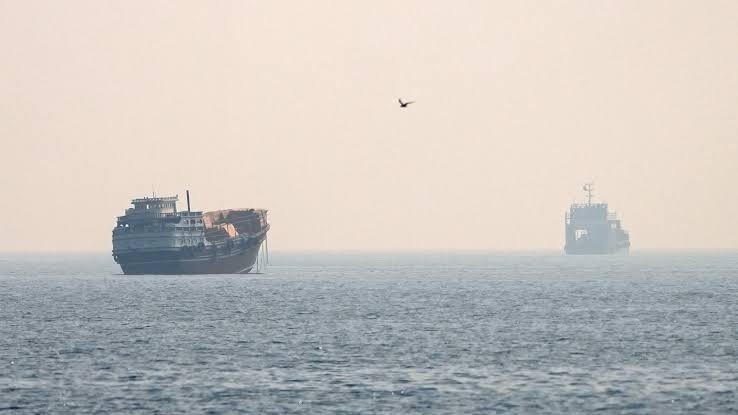
Tensions in the Middle East have escalated sharply following an Iranian attack on a Cyprus-flagged commercial container ship, the M/V GFS Galaxy, in the strategic Strait of Hormuz off the coast of Oman. The vessel sustained significant engine room damage and caught fire, forcing its crew to flee. India’s Ministry of External Affairs (MEA) confirmed that out of the 11 Indian nationals on board, 10 have been successfully rescued by Omani maritime forces, while one Indian crew member remains missing.
The Indian Embassy in Oman is actively coordinating with local authorities to manage the ongoing search and rescue operation. New Delhi has strongly condemned the incident, calling the repeated targeting of commercial shipping “deeply worrisome.” The MEA urged an immediate de-escalation of regional hostilities and called for the restoration of free, unimpeded navigation in international waterways in accordance with international law.
Iran’s Islamic Revolutionary Guard Corps (IRGC) justified the strike as a course-correction measure against an “unauthorized” vessel that allegedly ignored maritime warnings. Following the attack, the IRGC announced the formal closure of the Strait of Hormuz—a vital global energy chokepoint—vowing it will remain shut until the United States halts its military interventions in the region. Iran also launched retaliatory missile salvos targeting neighboring Gulf states, drawing swift condemnation from nations like Qatar.
In response to the assault on the civilian vessel, the United States Central Command (CENTCOM) launched its third round of heavy airstrikes this week against Iranian military infrastructure, hitting roughly 140 sites, including drone and missile facilities in port cities like Jask and Bandar Abbas. US defense officials stated the strikes aim to systematically degrade Iran’s capability to threaten civilian mariners, signaling a highly volatile breakdown of the region’s recent tentative ceasefire negotiations.
